
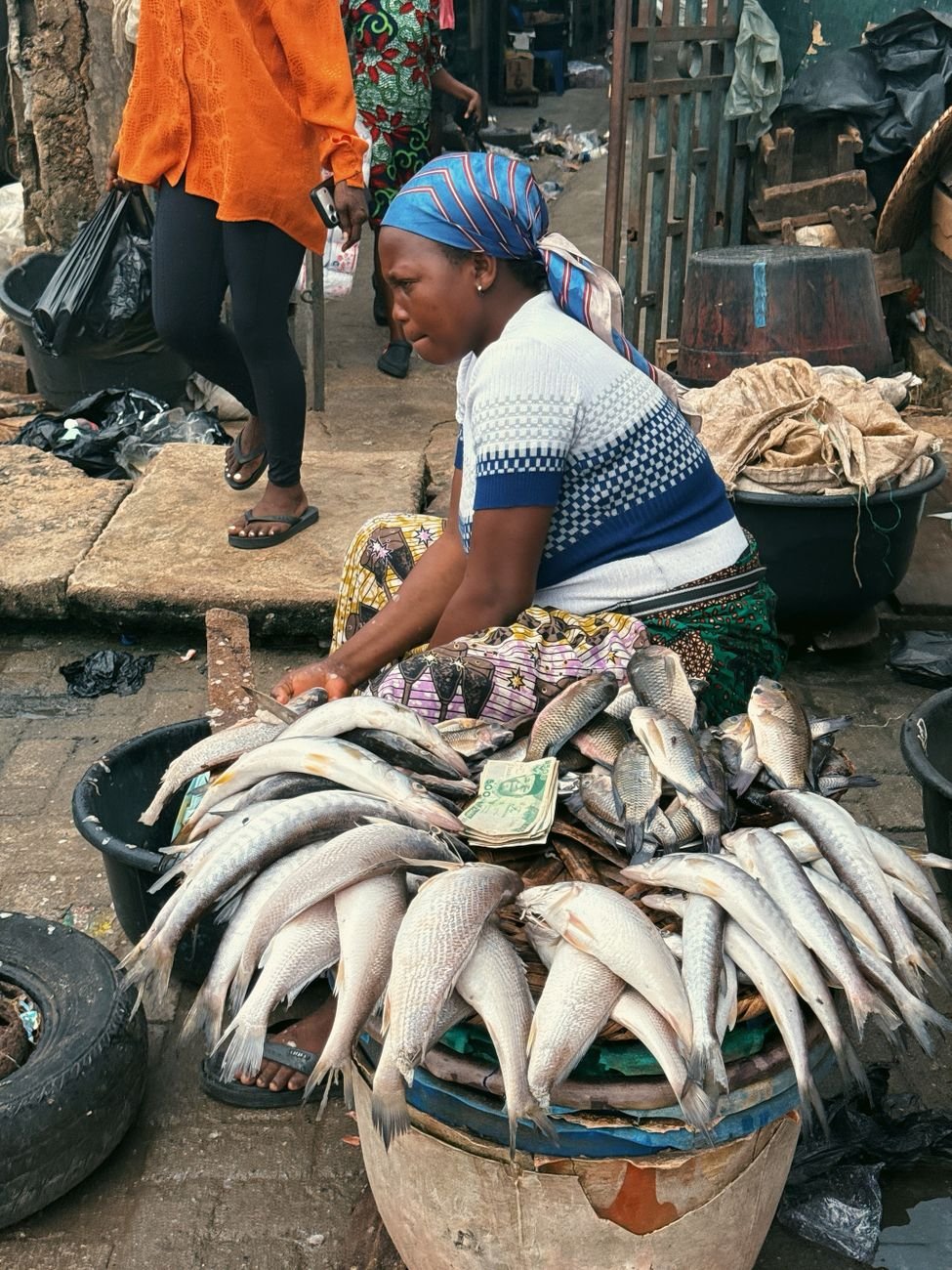
An oil spill along the Trans-Forcados Pipeline in Nigeria’s Delta State has spread to 216 communities, up from an initial assessment of 86, driving up fish prices in a region where fishing is the main livelihood and prompting the state governor to demand faster containment and compensation from the pipeline’s operator.
Governor Sheriff Oborevwori gave the directive during an inspection visit to Odidi community in Warri South-West local government area, ordering the state health commissioner to deploy medical teams to assess the spill’s health and environmental impact after residents reported respiratory problems, according to the Ijaw Youth Council. “We don’t want our people dying at this time,” Oborevwori said. He directed Heritage Energy Operational Services Limited, the pipeline’s operator, to deploy its own medical teams and provide relief materials to affected communities, and called for dialogue between the company and host communities.
The jump in the official count of affected communities, from 86 to 216, illustrates how quickly the scale of a pipeline spill can outrun first assessments once teams reach communities further from the leak itself. The Trans-Forcados Pipeline is one of several ageing export lines that cross Nigeria’s Niger Delta, a region where decades of leaks, sabotage and theft-related damage have left both the environment and local trust in operators and regulators badly strained.

Livelihoods on the line alongside land
“When you affect fishing, you affect their livelihood,” Oborevwori said, underscoring that the spill’s cost to Delta State communities runs well beyond the immediate environmental damage, into the daily income of households who depend on the river for food and trade. He approved construction of a landing jetty for Odidi and directed the local government chairman to build a modern health centre there, alongside the company’s cleanup obligations. He said the goal extended beyond compensation to restoring the environment itself.
Nelson Wilbert, general manager for operations integrity at Heritage Energy Operational Services, said the company’s immediate priority was completing technical work already under way, including installation, stopping the spill, and pressure testing, and that it was committed to working with government, host communities and regulators. The company has assured the state government that technical operations and cleanup will be completed before the end of October, with compensation and other measures to be discussed afterward. The Nigerian Upstream Petroleum Regulatory Commission is also among the stakeholders working on the response, alongside the state government and the company itself, reflecting how spills of this scale typically draw in federal regulators even when the immediate response is led at state level.
Not every account of the situation matches the company’s. Dr Doubra Okotete, president of the Ijaw Youth Council, alleged that crude oil is still being pumped through leaking sections of pipeline, a claim that has not been independently verified, and called for the pollution to be halted entirely alongside comprehensive remediation, compensation and expanded medical support for affected residents. Oborevwori, for his part, warned the company directly that its commitments “must be honoured,” adding that “government will take the necessary steps to ensure compliance.”
With fishing communities already reporting scarcer catches and higher prices in local markets, the gap between the company’s October cleanup target and residents’ account of an ongoing leak is likely to shape how much trust remains in that timeline by the time it arrives, and how far the governor’s promised jetty and health centre go toward rebuilding confidence that this spill, unlike others before it in the Delta, will actually be put right. Further from the Delta, a Nigerian entrepreneur’s growing mushroom business shows a different side of the country’s food economy.



