
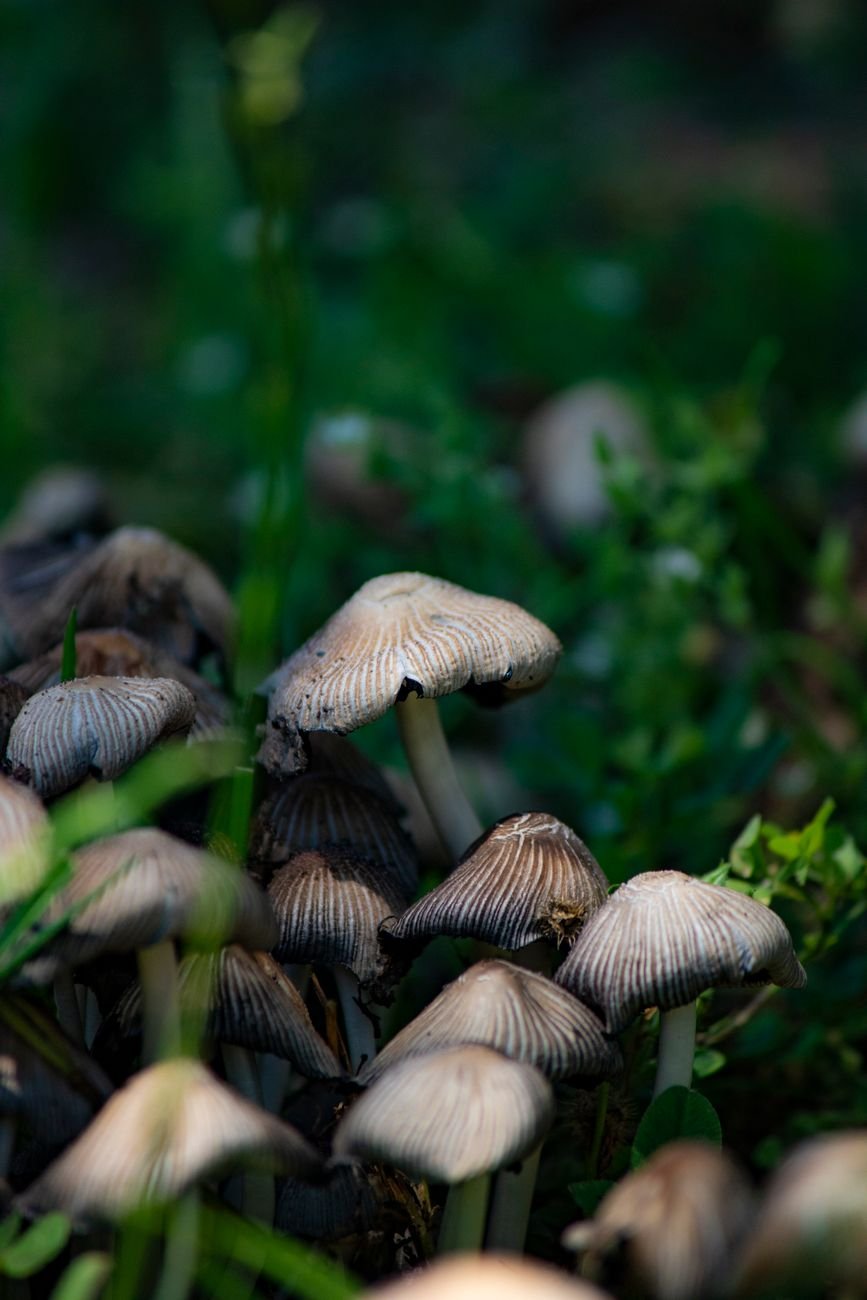
Grace Olayemi Oke earns an estimated 5 million naira (roughly $3,750, or about £2,840) or more a year from a mushroom farm she built from scratch, selling White Oyster, Grey Oyster and Gadadoma varieties through her business, DJ Herbs and Spices.
She started in Nasarawa State before moving to Abuja, then relocated again to Ogbomoso in Oyo State as the business outgrew its space. Farmland near Abuja had grown too expensive to expand on without pushing up her prices, she said, so she moved closer to her biggest markets instead. She left a previous job to run the farm full time, and now sells her mushrooms fresh or preserved, using sun-drying and dehydrator drying to keep their taste and nutrition intact for buyers further afield.
Prices range from 5,000 to 7,000 naira (about $3.75 to $5.25, or roughly £2.80 to £4) per kilogramme, depending on the product and the sales channel; buying directly from the farm costs less than through a supermarket, which adds packaging, labelling and distribution costs. Oke sells to neighbours, hotels, restaurants, caterers and supermarkets, with about 80% of customers reached online. Lagos, Ogun, Oyo and Kwara are her strongest markets, and moving closer to them has cut the spoilage that longer trips from Abuja used to cause.

A crop the market still overlooks
Oke chose her three varieties because they suit Nigeria’s climate; others she tried either grew poorly or did not survive local conditions at all. She says mushrooms can be grown year-round, including in the dry season, with the right methods, and argues Nigeria imports mushrooms it could grow at home, sending money abroad that could instead circulate locally. Other voices in Nigeria’s agriculture sector have made a similar case at a larger scale: commentators quoted by Nigeria’s state news agency have argued the country could earn far more than it currently does from mushroom cultivation if production were scaled up and better supported, a claim distinct from Oke’s own figures but consistent with her sense that the crop is underexploited. Wild mushrooms, once common around homes and farms, have grown scarcer, partly from chemical use, and many people cannot tell edible varieties from poisonous ones, she said.
Government support has largely bypassed her sector, in her account. She received grants while running her earlier spice business but none since switching to mushrooms, even as poultry, piggery and snail farmers attract more attention from empowerment schemes. Much of the work, from substrate preparation to harvesting, is still done by hand, which she says is slow and physically demanding; she wants machinery introduced to ease it. She is also pressing agencies to train young people, retirees, women and housewives in mushroom cultivation, paired with the resources to start farms of their own, and wants healthcare professionals to recommend mushrooms where appropriate.
Her advice to anyone starting out is to begin small and scale up gradually, with consistent management, and for those still in formal jobs to treat mushroom farming as a side venture before leaving employment altogether. “Many people do not even know that mushrooms can be cultivated,” she said, pointing to a gap in public awareness that she thinks is costing Nigeria a crop that grows fast, travels well once dried and could be feeding far more of its own market than it currently does.
Her two relocations, first out of Nasarawa and then out of Abuja, trace the path many Nigerian agribusinesses follow as they outgrow informal beginnings: chasing cheaper land, then chasing closer markets, often years before any grant or formal support arrives to make either move easier. That pattern, more than any single policy gap, is what she wants government programmes to start recognising, rather than continuing to treat mushroom growers as an afterthought beside the poultry and livestock ventures that dominate Nigeria’s agricultural support schemes. Elsewhere in the country, an oil spill in the Niger Delta is a reminder of how fragile other livelihoods tied to the land and water can be.



