
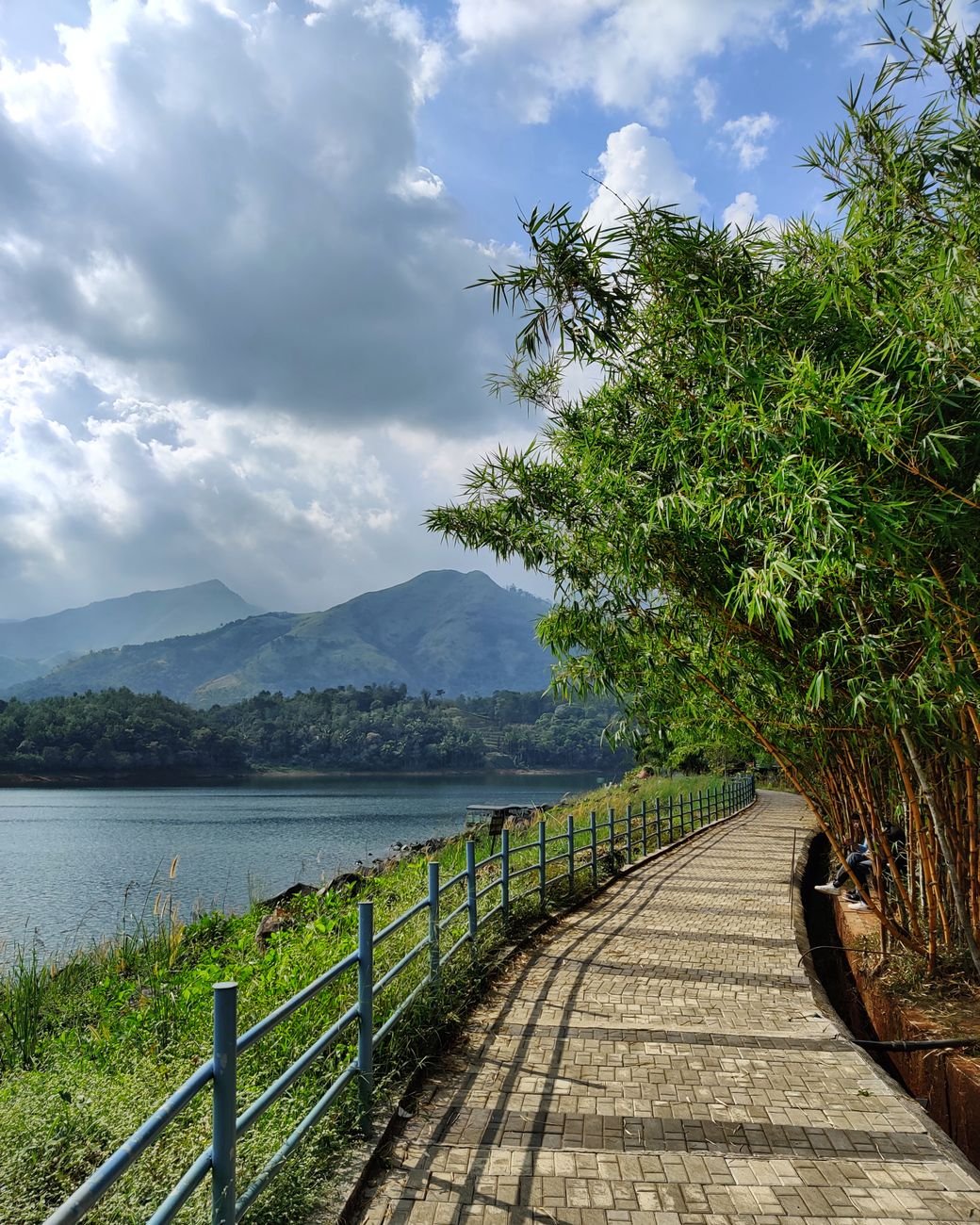
Wayanad, the Kerala hill district long prized for its cool, misty climate, recorded its warmest September in at least four years, according to a community weather-monitoring network that has tracked the district since the devastating 2018 and 2019 floods and landslides.
The Hume Centre for Ecology and Wildlife Biology, based in Kalpetta, has collected rainfall and temperature data from more than 200 locations across Wayanad since 2024. Between 1 and 17 September 2026, the average temperature reached 29.2°C, against 27.3°C in 2023, 27.2°C in 2024 and 27.3°C in 2025, roughly 1.9°C above the previous three-year average. Maximum temperatures stayed above 30°C for seven consecutive days from 11 to 17 September, peaking at 30.7°C on 15 September. Exposed soil reached 39°C on some days. The district’s highest reading of the year so far, 34.4°C, came on 18 April.

Crops and wildlife under new pressure
Wayanad sits within the Nilgiri Biosphere Reserve, bordering the Nilgiris in Tamil Nadu and Kodagu in Karnataka, and is the source of the Kabini river, one of Kerala’s main east-flowing rivers, which feeds into the Cauvery system. C K Vishnudas, director of the Hume Centre, said falling groundwater could lower the water table rapidly, putting wetland crops, especially paddy, at risk of serious water stress. He said this may be the first time such impacts have been observed in the district during a strong El Niño year.
Coffee, pepper, arecanut and paddy all depend on rainfall and dry spells arriving at the right time, timing that is growing less reliable. A coffee plant was observed flowering in September, months earlier than its usual December-to-February window, though researchers caution that one observation does not establish a trend. A separate study of 314 Robusta farms found rainfall variability the dominant constraint at district level and maximum temperature the bigger factor regionally, projecting a median Robusta yield decline of about 12% in Wayanad under 2°C of global warming. A study of 120 coffee households across Vythiri, Ambalavayal and Noolpuzha, using climate data from 1991 to 2022, found Vythiri the most vulnerable to these shifts.
The 2024 landslide at Mundakkai-Chooralmala, which killed dozens, was linked to rainfall estimated at roughly 10.8% heavier because of human-induced warming; researchers say warming did not create the unstable slopes but intensified the rainfall that triggered the collapse. Satellite observations show built-up areas expanding in Wayanad even as farmland and paddy fields shrink, with built and exposed surfaces running considerably hotter than vegetated ones.
Repeated heat exposure also carries a direct human cost. Dehydration and heat stress add strain to cardiovascular and kidney function, researchers note, with outdoor workers, older residents and children most vulnerable. Livestock may suffer heat stress and lower productivity, while wildlife shifts its movements in search of shade and water; changes in flowering and fruiting times can, in turn, affect the insects, birds and other species whose own cycles depend on the plants around them.
Wayanad’s tourism economy, built for decades on its cool, misty relief from Kerala’s hotter plains, faces a less tangible but no less real risk if that appeal keeps eroding. Researchers plan to link the temperature data to soil moisture, groundwater, crop yields and wildlife behaviour to build a fuller picture, and stress that one hot September cannot alone prove a permanent shift, since El Niño years amplify individual episodes. But the early picture is one of a district turning hotter, wetter in short bursts and drier between them, a combination that its farms, forests and famously cool tourist season were not built for, and that neighbouring hill districts across the Western Ghats are likely watching with their own concern. Further north, Maharashtra has ordered a 10% cut to water supply as a weak monsoon leaves much of the state drought-hit.



