
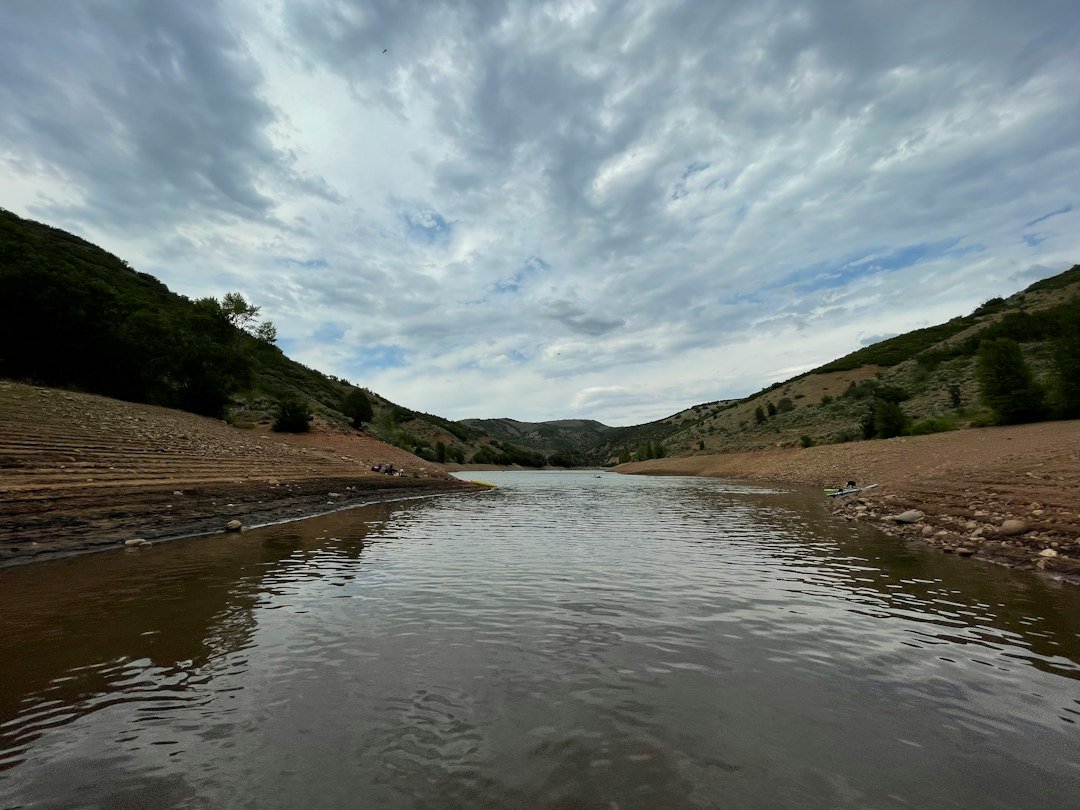
Morocco has entered its 2026-27 agricultural season with dam reserves described by its Ministry of Agriculture as unprecedented for at least a decade, after reservoirs climbed to more than 11.355 billion cubic metres of stored water, a fill rate of 66.69 per cent, according to figures reported on 9 October. The turnaround follows several years in which successive droughts forced the government to ration irrigation water across some of the country’s most productive farming basins.
A ministry source told the outlet Hespress that “the main feature of the 2026-27 growing season is the presence of exceptional water reserves,” and said irrigation is set to resume gradually in the Doukkala, Haouz and Tadla basins, all of which had faced restrictions in recent seasons. Officials expect activity in these districts to return to levels last seen in 2017-18, before the drought cycle that squeezed Moroccan agriculture through much of the early 2020s.
Part of the improvement reflects infrastructure as much as rainfall. A pipeline now complete between the Jorf Lasfar desalination plant and Marrakech is expected to supply drinking water to the city, easing the competition between urban consumption and farm irrigation that had previously forced trade-offs during dry years. The ministry source estimated that, with average rainfall, current reserves could cover demand for roughly three years, a buffer Moroccan farm policy has lacked for much of the past decade.

Recent rain, snowfall and irrigation availability point towards a strong citrus, olive, pomegranate and apple harvest this season, the ministry source said, a notable shift for a sector that has repeatedly scaled back planting in response to water stress. Morocco’s dams had already been tracking above 70 per cent capacity through the summer months, holding up despite seasonal heat and rising demand, before the new season’s figures confirmed the broader recovery.
The government source cautioned that favourable water supply does not remove every risk to the season. Rising costs for energy, fertiliser and other farm inputs, ongoing geopolitical tensions affecting supply chains, and a seasonal shortage of harvest-time labour were all flagged as pressures that could weigh on farmers even with ample water. Morocco imports a significant share of its fertiliser and energy inputs, leaving farm economics exposed to global price swings regardless of how full the dams are.
For a country that has positioned itself as a regional agricultural exporter, particularly of citrus and vegetables to European markets, the reserve levels offer a rare moment of planning certainty. Morocco’s King Mohammed VI has in recent years pushed a national water strategy combining dam-building, desalination and efficiency measures precisely to reduce the kind of exposure to drought that forced irrigation cuts earlier in the decade; officials are now citing this season’s reserves as early evidence that the approach is paying off, though independent agricultural economists note that one strong season does not by itself resolve the structural water deficit facing North Africa over the longer term.
Farmers in the Haouz plain around Marrakech, among the hardest hit by restrictions in previous seasons, say the return of reliable irrigation allocations will determine how much land they bring back into cultivation rather than leaving fallow for a second or third consecutive year. Exporters who supply citrus and vegetables to European retailers say the improved outlook could help Morocco regain market share lost during the drought years, when reduced plantings left some packers unable to fulfil contracted volumes to buyers in France and Spain.
Related reading: Madagascar restores a vanilla floor price as growers face a pressured 2026-27 season, on how another agricultural exporter is managing a difficult season for smallholder growers.



