
For centuries, the delicate threads of silk have connected humanity to a deeper medical wisdom. The same plants that sustain silkworms, nature’s master weavers, also have extraordinary healing properties that traditional healers have long treasured.
From the mulberry trees to the castor plants, these botanical powerhouses offer more than sustenance for silk production; they provide a rich array of compounds that combat everything from diabetes to cancer.
As modern science unveils the molecular mysteries behind these traditional remedies, we’re discovering just how powerful these plants truly are. Their potential to transform modern medicine remains largely untapped, presenting an exciting frontier where ancient wisdom meets contemporary healthcare.

Mulberry: The master healer
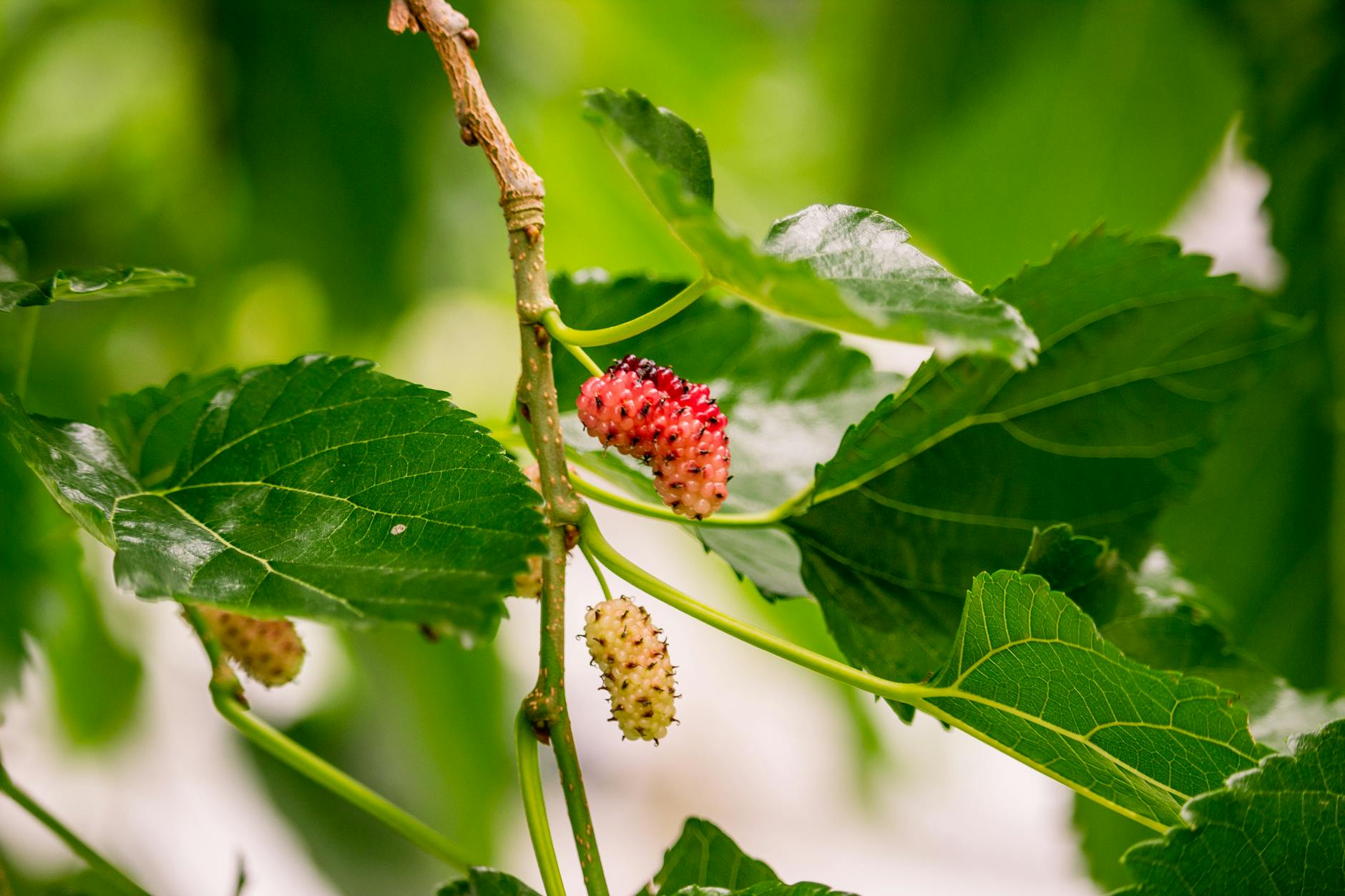
Mulberry (Morus alba), the primary food plant of silkworm Bombyx mori, offers a remarkable range of medicinal properties. Its leaves, rich in antioxidants, flavonoids, minerals, vitamins, and amino acids, provide viable treatments for Alzheimer’s disease, atherosclerosis, and hyperlipidemia.
Mulberry leaf tea, known as “Ranowghana” in Japan and Thailand, offers wide-ranging health benefits: it improves liver and kidney function, enhances sensory health, relieves respiratory infections, prevents hypertension and diabetes, reduces muscle pain, and aids in weight management. In China, where mulberry leaf juice is traditionally offered to visitors, these therapeutic properties have been recognized for centuries.
Mulberry fruits, processed into wine, beer, and powder, are rich in vitamin C and anthocyanins. These preparations demonstrate effectiveness in supporting cardiovascular health, enhancing immunity, managing cholesterol, and treating various conditions including digestive disorders, anemia, insomnia, and hepatitis.
Every part of the mulberry plant serves medicinal purposes: stems offer antirheumatic and diuretic properties; stem bark provides purgative and vermifuge effects; and roots, used to prepare “Glucosidase,” demonstrate antihypertensive and antidiabetic properties while fighting bacterial infections. Root bark, known as “Sang bai Pi” in traditional Chinese medicine and “Sohakuhi” in Japanese medicine, treats respiratory conditions and acts as an antiphlogistic and diuretic.

Castor: The versatile medicine
Castor (Ricinus communis Linn), the primary food plant of eri silkworm Samia ricini Donovan, has medicinal value in all its parts. The leaf oil finds applications in food, drug, and perfumery industries, serving as a laxative, labor inducer, lactation stimulant, and remedy for eye irritation, headaches, malaria, and night blindness. The leaves themselves treat inflammation, liver disorders, urinary conditions, and various systemic ailments.
Each part of the castor plant offers unique therapeutic properties: stems target cancer and hypoglycemia; flowers alleviate glandular and gynecological conditions; fruits address tumors and hepatic disorders; and roots treat a spectrum of conditions from arthritis to fever. The seed paste, particularly effective for inflammatory conditions, treats skin disorders, ear inflammation, and migraines, while dehulled seeds serve specific purposes in reproductive health and infectious disease treatment.
Jatropha: Nature’s pharmacy
Jatropha (J. Curcas), a tertiary food plant of eri silkworm, offers an extensive range of medicinal applications. Its various parts – leaves, nuts, stems, roots, and latex – serve as remedies for conditions ranging from cancer to infections. The plant demonstrates remarkable versatility: as an antiseptic and haemostatic for wound care; as treatment for skin conditions, oral health, and venereal diseases; and as therapy for systemic conditions including jaundice, rheumatism, and hypertension.
Jatropha oil holds particular significance in traditional medicine, effectively treating skin conditions, rheumatic disorders, and various inflammatory conditions. Beyond medicinal use, its emulsified form shows promise as a natural pesticide and fungicide.

Cassava: The nutrient powerhouse
Cassava (Manihot esculenta Crantz), another food plant of eri silkworm, combines nutritional and medicinal benefits. Its roots provide rich vitamin C content, while leaves contain beta-carotene, lysine, and metabolism-boosting compounds. The plant boosts immunity, improves glucose tolerance, and aids digestion. Its therapeutic applications extend to diabetes, celiac disease, neurological conditions, cardiovascular health, and blood pressure management.
Borpat: The versatile healer
Borpat (Ailanthus excelsa Roxb), a secondary food plant of eri silkworm, addresses a wide spectrum of ailments. Its applications range from treating chronic conditions like epilepsy and asthma to managing acute problems such as cramps and infections. The plant shows particular effectiveness against respiratory issues, digestive disorders, and skin diseases, while also proving valuable in treating chronic conditions like bronchitis and obesity.
Som, Soalu and Dighloti: The muga trio
Som (Persea bombycina), Soalu (Litsea polyantha) and Dighloti (Litsea salicifolia), the food plants of muga silkworm Antheraea assamensis, each has unique healing properties. Litsea salicifolia’s fruit and bark effectively treat pain, bone fractures, and stomach disorders. Persea bombycina’s rich secondary metabolites and antioxidants establish its medicinal potential, while various Litsea species have earned recognition in pharmaceutical applications.
Arjuna: The heart guardian
Arjuna (Terminalia arjuna), primary food plant of tasar silkworm (Antheraea mylitta), stands out for its cardiovascular benefits. Beyond its cardiac applications, it demonstrates wound healing, antimicrobial, antitumoral, and anti-HIV properties. Its stem bark, the key ingredient in “Arjunarishta,” serves as a potent cardiotonic, treating heart conditions while managing cholesterol levels by reducing LDL and increasing HDL.
The future of silkworm food plant medicine
The medicinal properties of silkworm food plants embody centuries of healing wisdom waiting to be validated by modern science. These plants, carefully selected over generations for their ability to nurture silkworms, have inadvertently preserved a precious pharmacopeia of natural compounds.
From mulberry’s comprehensive healing properties to arjuna’s cardioprotective effects, each plant offers unique therapeutic potential that could help address contemporary health challenges.
As modern medicine increasingly turns to natural sources for new drug discoveries, these time-tested plants merit deeper scientific investigation. Their dual role in sericulture and traditional medicine presents a unique opportunity: while continuing to support the silk industry, these plants could also contribute to the development of new, effective treatments for various diseases.
In this way, the ancient art of silk cultivation may hold keys to future medical breakthroughs, bridging centuries of traditional knowledge with modern therapeutic needs.

Dr. Urmimala Hazarika is a Scientist-D (Retd.) from the Central Silk Board, Ministry of Textiles, Government of India. She has a Doctorate in Botany from Gauhati University and did Ph.D in Sericulture Related Works from Central Muga Eri Research Institute, Jorhat, under the Botany Department of GU