
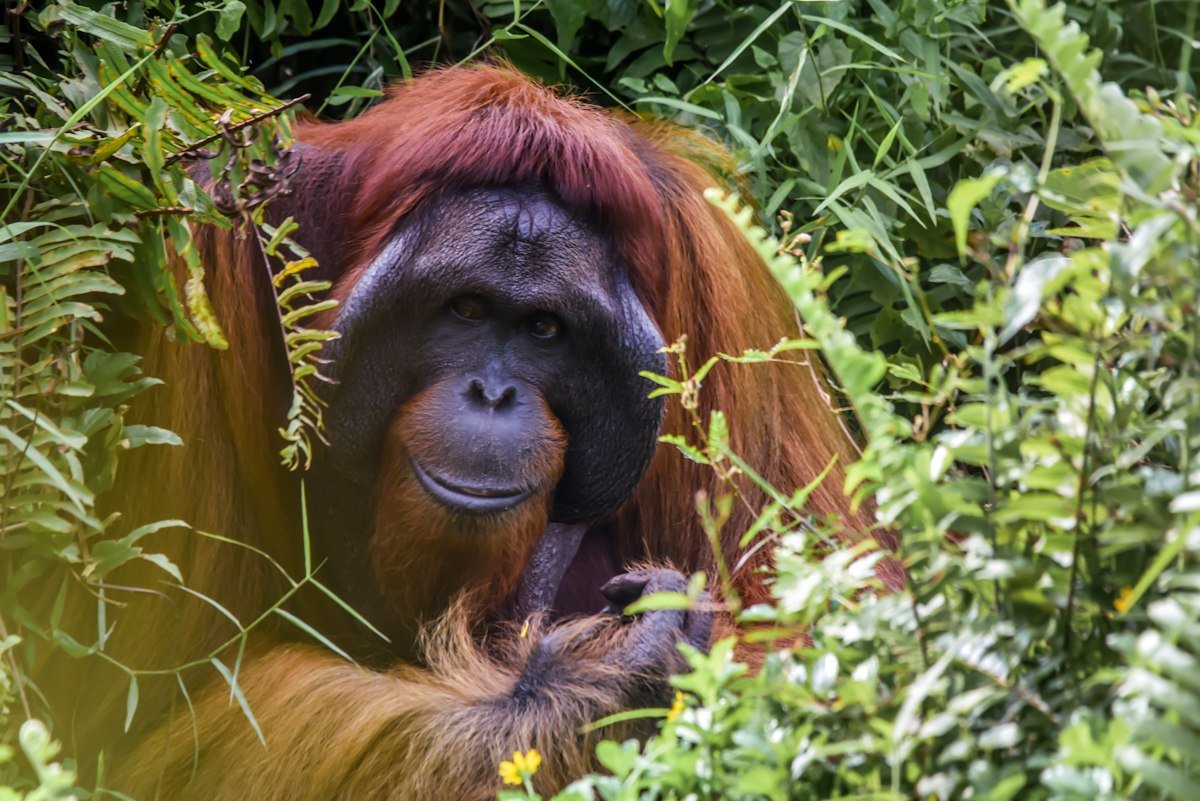
Wildfires are burning through forests in Indonesia’s Borneo, threatening orangutans in one of their last strongholds in the wild. The Associated Press reported on 10 October 2026 that rescuers have found animals injured by the flames. That report was syndicated widely across international outlets, underscoring how much concern the fires have drawn. Conservationists link the blazes to a strengthening El Niño weather pattern that is drying out large parts of the region.
El Niño conditions are intensifying through the final months of 2026. The pattern is tied to drier weather across Southeast Asia, including Indonesia, and that dryness is pushing up wildfire risk across both Sumatra and Borneo. Together, the two islands hold most of the world’s remaining wild orangutan population, making any fire season there a direct threat to the species. Fire seasons shaped by El Niño have recurred across these islands before, and conservationists have tracked this cycle developing for months.
Rescuers describe a race against time. Eco-Business reported that teams are racing to protect orangutans from fires driven by El Niño conditions in Borneo. The International Fund for Animal Welfare, known as IFAW, has expanded its wildfire response as more orangutans are displaced from burning forest. IFAW says the scale of displacement is still growing. Local rescue teams are coordinating with international partners to cover more ground as fires spread.

Displacement adds to existing pressure
Orangutans displaced by fire often end up in fragmented patches of forest, cut off from food and from other animals. Rescuers say injured orangutans are turning up at the edges of burned areas, driven out by heat and smoke. Treating those injuries and finding safe places to move animals to takes time that a fast-moving fire season does not allow. Veterinary teams assess each animal before deciding whether it can be released back into nearby forest.
Borneo’s orangutan population was already under pressure from decades of habitat loss before this fire season began. Conservationists warn that repeated fire years linked to El Niño compound that pressure, leaving less intact forest each time animals need to retreat from flames. Wildfires tied to El Niño are turning into a recurring seasonal hazard for the species, conservationists say.
IFAW said it is expanding wildfire response work in Borneo to reach more displaced orangutans before conditions worsen further. The organisation’s teams are working alongside local rescuers already stretched by the scale of this fire season. That coordination includes sharing information about where fires are spreading fastest. Rescue groups are prioritising the most badly injured animals first, then working to secure habitat corridors that remaining orangutans can use to escape the flames.
Response efforts widen across Borneo
Forecasters expect El Niño to keep strengthening before the pattern eases, meaning the dry conditions driving these fires could persist for months yet. Conservation groups say sustained funding and faster coordination between rescue teams will matter as much as firefighting itself. For now, the priority in Borneo is simple. Rescuers want orangutans out of the fire’s path and kept safe until the smoke clears.
Borneo remains one of the last places on Earth where wild orangutans survive in significant numbers, alongside forests in Sumatra. That makes this fire season a test of how quickly rescue networks can respond when conditions turn against the species. IFAW and partner organisations say they expect to keep adjusting their response. They say changes will continue as the El Niño pattern evolves through the rest of the year. For Borneo’s orangutans, that response may decide how many forests remain intact enough to call home once the fires finally ease.



