
An eighth edition of Interpol’s recurring environmental crime operation led to 233 arrests and the recovery of more than 1,000 animals across Colombia, Costa Rica, the Dominican Republic, El Salvador, Guatemala, Honduras, Mexico, Nicaragua and Panama. The two-month operation, run in June and July, targeted wildlife and timber trafficking networks that Interpol described as operating at an industrial scale along the Central and South American corridor.
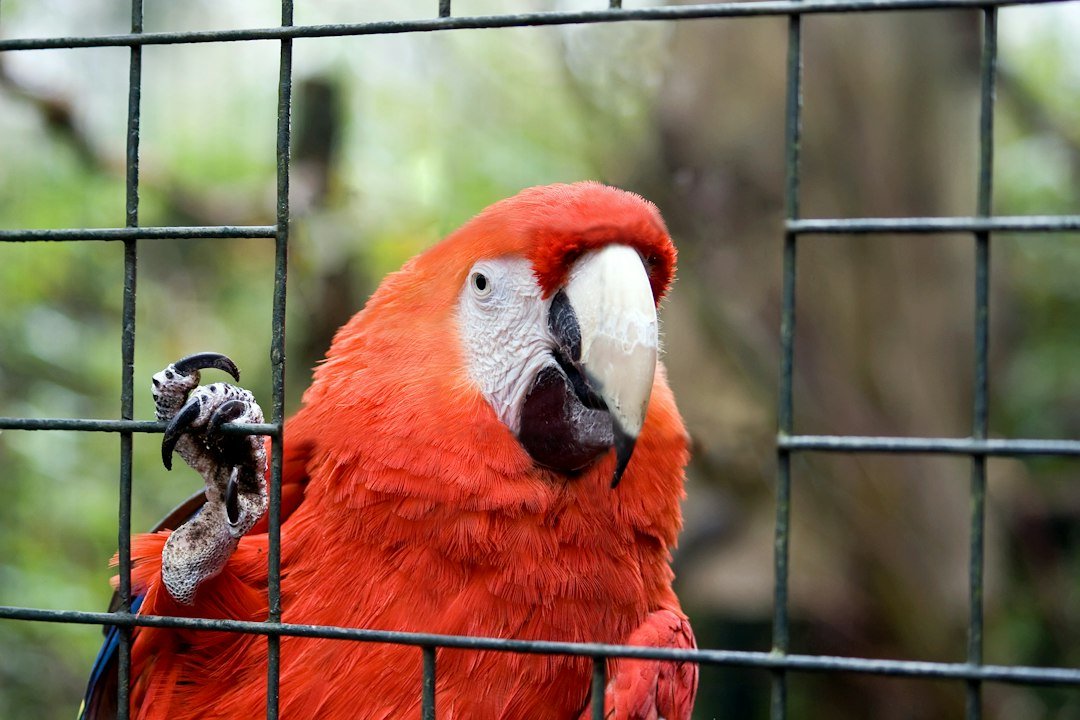
Reptiles, rare insects and exotic birds made up most of the live animals seized. In Mexico, authorities recovered big cats found near drug-trafficking routes, including two endangered Bengal tigers, one of them white, alongside lions, ocelots and jaguars. In Nicaragua, officers confiscated parrots and red-and-green macaws, both protected under the CITES convention on endangered species.
Investigators also traced about 165 kilograms of dried shark fins believed to be headed for Asian markets, where Interpol estimated they could have sold for roughly $280,000. Many of the trafficked live animals were destined for Europe and Asia, where South American wildlife is sought after as exotic pets.

Deforestation and toxic mining chemicals swept up too
The operation’s reach extended well beyond live animals. In Colombia, an expansion of a 2025 investigation targeted deforestation linked to more than 170 companies accused of illegally clearing 52,000 hectares of protected Amazon Basin forest, leading to 16 arrests. Across the full operation, investigators identified 60,000 hectares of illegally cleared forest in total.
In Costa Rica, officers seized about 4.6 metric tonnes of cyanide and 11 containers of mercury, both commonly used in illegal gold mining and toxic to wildlife and people alike. Interpol officials, including Krandall Gullock, head of its regional bureau for Central America, and Thomas Ungerbuehler, the organisation’s assistant director of environmental security, said investigators also traced financial transactions in an effort to identify the companies profiting from the trade rather than only the individuals handling it on the ground.
That financial tracing marks a shift in approach for Interpol’s environmental crime operations, which have historically focused on seizures and arrests at trafficking chokepoints. Following the money is intended to disrupt the economics of wildlife and timber trafficking rather than simply raising the operational risk for couriers, who are often easily replaced further down the supply chain.
The scale of this year’s operation, more arrests and more recovered animals than its 2025 predecessor, suggests either an intensifying trafficking problem across the region or improving enforcement capacity, or some combination of the two. Interpol has not published a comparative assessment of which factor weighed more heavily.
For the nine countries involved, the operation offers a snapshot of how deeply wildlife trafficking, illegal logging and toxic mining chemicals are entangled with each other and, in Mexico’s case, with narcotics trafficking routes. Breaking those links durably will likely require sustained enforcement beyond any single operation, along with the kind of financial investigation Interpol says it is now prioritising.
Conservation groups have long argued that seizures and arrests alone do little to dismantle trafficking networks if the buyers driving demand in Asia and Europe face no consequences of their own. Interpol’s financial tracing work points toward that demand side, but the agency has not said whether any prosecutions of buyers or financiers abroad have followed from evidence gathered during this operation, leaving an open question about how far its reach extends beyond the nine countries where the arrests themselves took place, and about whether this year’s gains in enforcement will hold once the operation’s attention moves elsewhere.