
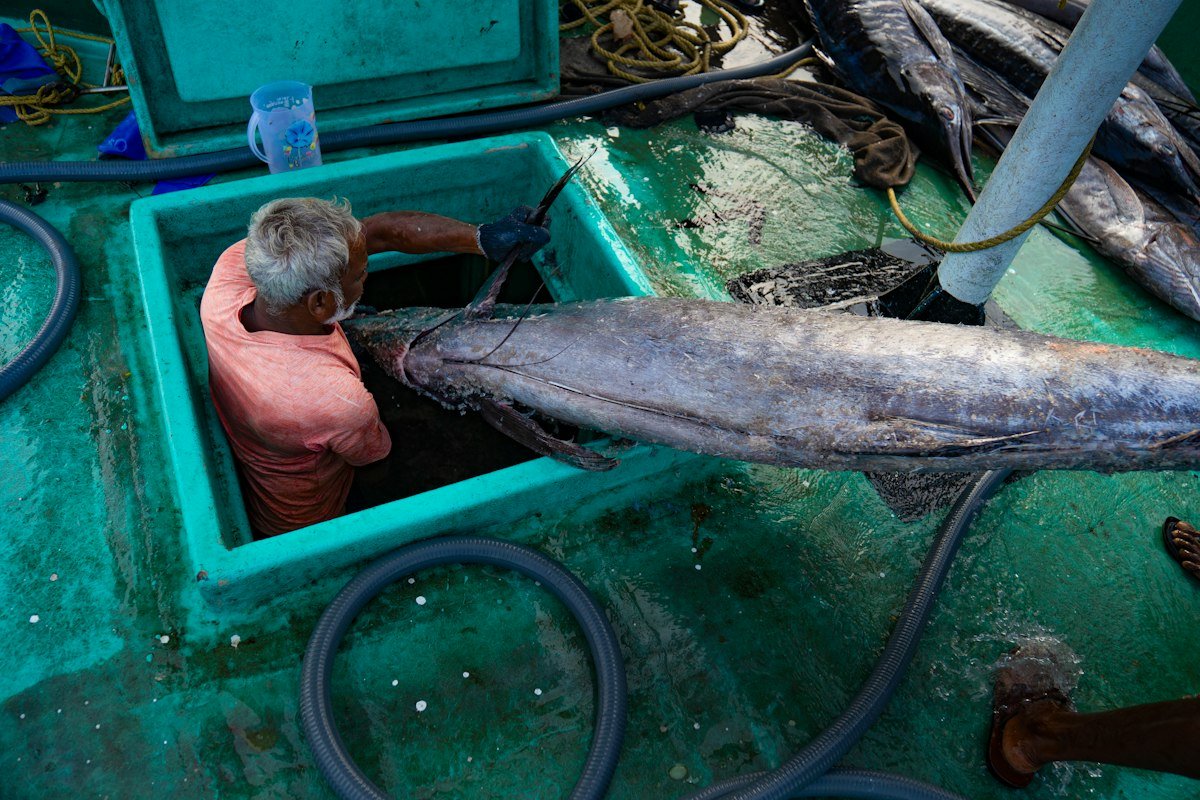
A strong El Niño pattern will disrupt Pacific tuna fisheries well into 2027, altering where fish gather and how easily fleets can catch them. According to the Pacific Islands Forum Fisheries Agency, sea surface temperatures in the central and eastern equatorial Pacific ran 1.5 to 3 degrees Celsius above average from mid-July into August 2026.
The US National Oceanic and Atmospheric Administration, NOAA, puts the chance of a very strong El Niño developing this northern autumn and winter at more than 90 per cent. Conditions are likely to persist until around February 2027, keeping ocean temperatures elevated through much of the Pacific’s main tuna fishing season.
In the eastern Pacific, warmer surface water is pushing the thermocline, the boundary between warm surface water and colder water below, deeper than usual. A deeper thermocline can widen the water column available to tuna, giving the fish more cool water to retreat into. At the same time, it scatters the fish across a wider area and makes them harder for fishing fleets to locate and catch efficiently.

Fishing fleets move to the high seas
Fishing effort has already moved toward the high seas and the exclusive economic zones of Kiribati and Tuvalu, following the annual ban on fish aggregating devices. Fleets normally use these floating structures to draw tuna together, making them easier to net. Scientists expect the combined effect of the thermocline shift and the FAD ban to weigh on yellowfin tuna catches in particular. That holds true even as the warming expands the broader habitat available to the species.
The disruption extends beyond the Pacific. In the Atlantic, skipjack tuna distribution may also shift under the same climate pattern, with the Gulf of Guinea and other equatorial fishing grounds potentially becoming less productive.
The same El Niño pattern is straining food systems on the other side of the world. It is testing Latin America’s food security, from snow in Bolivia to fires in Colombia and drought across Central America’s Dry Corridor. The reach of a single climate pattern across two oceans and two continents underlines how far El Niño’s effects extend.
Rainfall warnings across the islands
The Pacific Community, the region’s main scientific and technical agency, has warned of reduced rainfall across several island nations, raising the risk of drier conditions for farms and water supplies. The list includes Fiji, Papua New Guinea, Solomon Islands, Vanuatu, Samoa, Niue, the southern Cook Islands, Tonga and Palau. It has separately warned of flooding and warmer seas affecting Kiribati, Tokelau and parts of Tuvalu. This single El Niño event can bring opposite extremes to neighbouring island groups.
Fishing activity across Pacific tuna fisheries already reflects that uneven picture. Solomon Islands catches were low in July 2026 before picking up in August. Activity in central Papua New Guinea held close to normal levels. Further east, fishing activity ran below what fleets would expect in a typical year without El Niño.
Outside the Pacific islands, Ecuador’s fishing industry forecasts a decline of 90,000 tonnes in catches during 2026, with higher fuel and raw-material costs adding further pressure on operators. The outlook shows how the current climate pattern is adding costs to tuna industries far beyond the Pacific.
The Pacific Islands News Association compiled the assessment on 12 October 2026, drawing on data from the Pacific Islands Forum Fisheries Agency, NOAA and the Pacific Community. The Fiji Times corroborated the findings in separate reporting on the same strong El Niño conditions.



