
The Middle East and North Africa region is on course to contract by 2 per cent in 2026. It is the only region in the world forecast to shrink this year, according to the IMF’s October 2026 World Economic Outlook. The IMF Gulf economies contraction figures mark a 3.1 percentage point downgrade from the fund’s April 2026 outlook. It is the latest in a series of downgrades the IMF has issued since the war in Iran began. The downgrade points to deepening strain across the region’s oil producers.
Smaller Gulf states show the sharpest swings in the IMF Gulf economies contraction data, though the IMF expects all of them to rebound strongly in 2027. The United Arab Emirates economy will contract by 3.9 per cent this year, the IMF forecasts, before growing 7.7 per cent in 2027. Bahrain faces a steeper drop, down 11.3 per cent in 2026 and up 13.9 per cent in 2027. Kuwait and Qatar show the widest swings in the region. Kuwait’s economy will shrink 16.7 per cent in 2026 and expand 17.1 per cent in 2027. Qatar will fall 15.6 per cent this year before climbing 18.8 per cent in 2027.
Saudi Arabia’s economy will contract by 3.3 per cent in 2026, a sharp reversal from growth of 4.6 per cent in 2025, the IMF says. It should recover by 7.9 per cent in 2027. Oman stands apart as the only Gulf Cooperation Council member the IMF expects to grow this year, at 4.1 per cent. Iraq faces the deepest contraction in the region; its economy will shrink by 16 per cent in 2026. Iran’s economy will contract by 7.6 per cent this year. The IMF links the decline to enhanced sanctions and a United States naval blockade, as well as the regional shipping disruption.

Hormuz closure drives the downturn
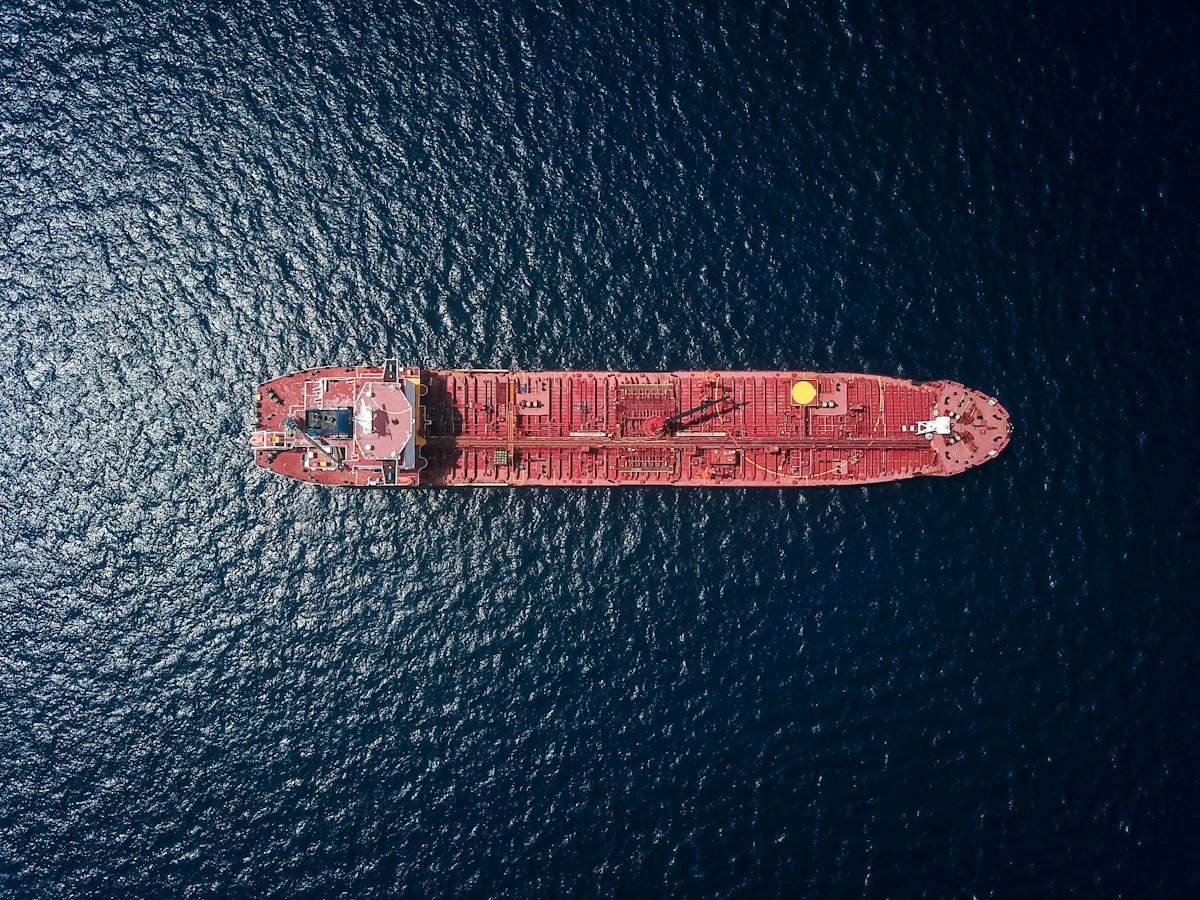
The downgrades stem largely from the prolonged closure of the Strait of Hormuz, part of a broader negative supply shock from the war in Iran, the IMF says. Shipping data firm Kpler puts daily clearance through the strait at roughly 11.9 million barrels, about 30 per cent below its pre-war baseline. Kpler’s daily readings have swung widely since the closure began, and vessel transits have fallen further in recent days. Houthi attacks on Saudi Arabia have added to the disruption facing shipping and energy infrastructure across the Gulf.
The IMF’s baseline assumes a gradual reopening of the strait beginning around March 2027, with a full return to pre-war conditions by October 2027. Uncertainty, in the fund’s view, is set to stay elevated through 2027. Food-importing economies elsewhere in the region should fare better. Egypt’s economy will grow by 5.1 per cent in 2026, Morocco’s by 4.5 per cent, and Jordan’s by 2.7 per cent, the IMF projects. The fund gave no projection for Lebanon. It expects these food-importer economies to remain relatively resilient, without detailing the reasons behind that assessment.
What it means for Kerala’s Gulf diaspora
Millions of Indian migrant workers live and work across the Gulf states named in the IMF report, including a large population from Kerala. Remittances sent home remain an important source of income for many families in states such as Kerala. A sharper slowdown in Gulf economies could plausibly slow hiring and wage growth for migrant workers in the affected sectors, with job losses a risk in some cases. That, in turn, could weigh on remittance flows to South Asia, though no such effect has yet been confirmed. The scale of any impact would depend on how long the Strait of Hormuz disruption persists and how specific sectors employing Indian workers are affected.



