
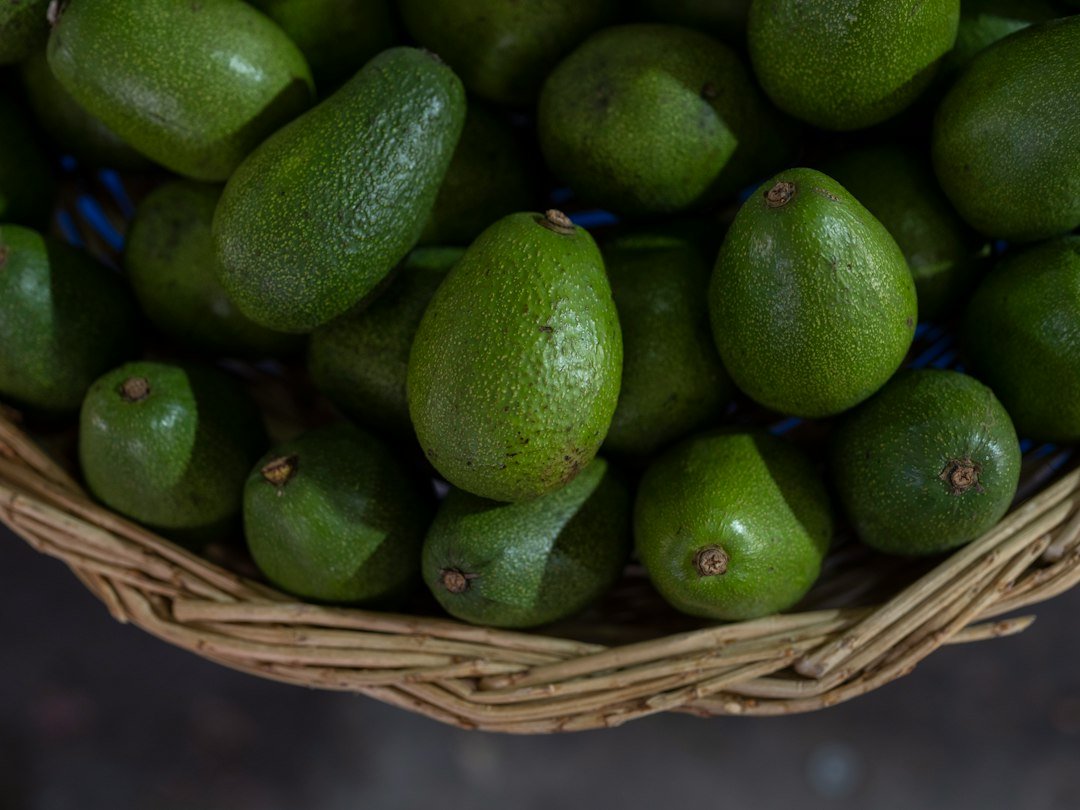
Kenya’s avocado sector is heading into its strongest season in years, with production forecast to rise 4.8 percent to 727,000 tonnes in 2026, according to the United States Department of Agriculture’s Foreign Agricultural Service. Export volumes are projected to grow about 7.4 percent as the country recovers from a 2025 suspension of sea exports that had been imposed over quality concerns.
The Agriculture and Food Authority reopened the 2025/2026 export season on 2 April 2026 under stricter quality rules, after a year in which low harvest volumes and complaints about fruit maturity had prompted the suspension. Cultivated acreage is expected to grow 5.6 percent to about 37,600 hectares this year, reflecting continued expansion by both smallholders and larger commercial growers.
The recovery follows a sharp rise in recent seasons: production climbed 34 percent, from 632,953 tonnes in 2023 to 848,122 tonnes in 2024, before last year’s export troubles slowed momentum. The USDA’s report describes the outlook for Kenyan avocado production as optimistic, citing expanded growing area and yield recovery in key production zones, according to Ecofin Agency’s separate coverage of the same forecast.

Quality rules reshape the trade
The stricter export rules now require tighter checks on fruit maturity and dry matter content before avocados leave Kenyan ports, a response to complaints from European buyers about underripe fruit reaching their markets last year. Growers say the rules have added paperwork but have also helped restore buyer confidence after the 2025 disruption.
Avocado has become one of Kenya’s fastest-growing horticultural exports over the past decade, supporting thousands of smallholder farmers in counties such as Murang’a, Kiambu and Nakuru alongside larger commercial estates. The crop’s hardiness compared with more water-intensive produce has made it attractive to farmers adapting to less predictable rainfall.
Export recovery still uncertain
Despite the positive production forecast, analysts caution that export recovery is not guaranteed. Shipping costs, competition from other avocado-exporting nations and the risk of renewed quality disputes with buyers could all slow the pace of growth. Industry groups are pushing for faster customs clearance and better cold-chain logistics at the port of Mombasa to avoid the kind of bottlenecks that contributed to last year’s suspension.
For now, farmers preparing for this season’s harvest are cautiously optimistic that steadier export volumes will translate into better farm-gate prices, after a difficult year in which many growers were left holding unsold fruit.
Kenya’s avocado sector has drawn comparisons with its tea and coffee industries as a potential new pillar of agricultural export earnings, and the government has signalled interest in supporting further processing capacity, such as oil extraction, to capture more value domestically rather than exporting only raw fruit. Smallholders in Murang’a county say they are watching this season’s export volumes closely, since many households have come to depend on avocado income to cover school fees and other costs that used to rely more heavily on tea earnings. A smooth season, growers say, would do more to rebuild trust in the export system than any single policy announcement.
Cooperative managers in the main growing counties say they are encouraging members to stagger harvesting rather than rush fruit to market all at once, a practice blamed for some of the maturity complaints that triggered last year’s suspension. Getting that discipline to hold across thousands of smallholder plots, rather than just the larger estates that already follow strict harvest calendars, remains one of the sector’s harder organisational challenges heading into the new season.



