
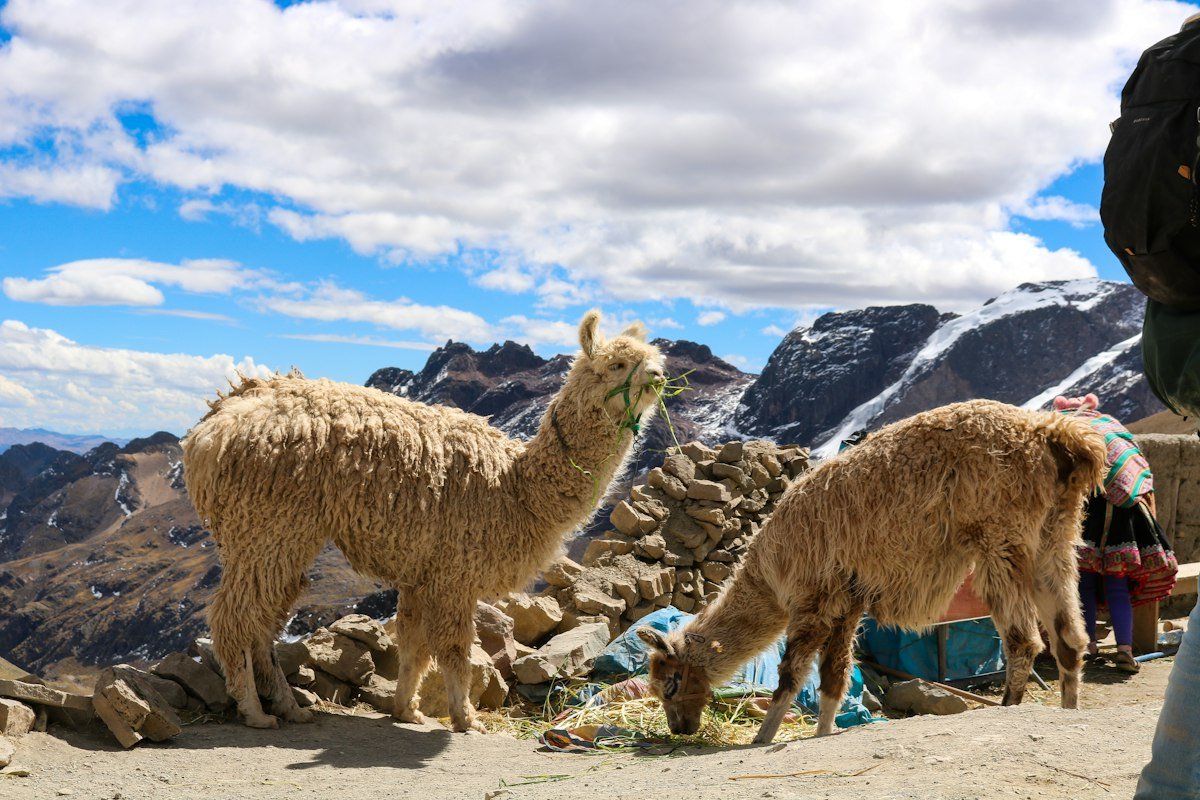
Heavy snowfall swept central Bolivia in early October, killing hundreds of llamas, alpacas and sheep and leaving one municipality declared a disaster zone. The storm is an early, visible casualty of an intensifying El Niño pattern that is reshaping food security in Latin America and the Caribbean. Farmer René Luna lost animals in the snowfall, among the many smallholders whose livelihoods depend on herds now exposed to erratic weather. The episode shows how El Niño Latin America food security risks are moving from forecast to lived reality across the region this year.
Forest fires have struck Tolima, one of Colombia’s key agricultural regions, damaging fruit and vegetable production. Central America’s Dry Corridor, covering Costa Rica, Nicaragua, Honduras, El Salvador and Guatemala, faces similarly high climate risk from the same weather pattern. The Caribbean and northern South America are bracing for drought and heat, while Ecuador and Peru’s Pacific coasts face flood risk. Southeastern South America, by contrast, is expected to see heavy rain and storms. The spread of impacts, from snow to fire to flood, shows how unevenly a single weather pattern can distribute damage across a continent.
Corn, beans, rice, cocoa and coffee yields may all decline across the region, pushing up prices and narrowing the variety of food available, particularly for low-income households. The stakes are high because smallholder farming underpins much of the region’s food supply. Jhenifer Mojica, an agricultural expert and former Colombian ambassador to the UN Food and Agriculture Organization, says around 80% of food security in Latin American countries rests on small-scale producers. That concentration leaves the region’s food system unusually exposed whenever weather turns against the farmers who grow most of its food.

Impacts set to deepen
Lena Savelli, regional director for the World Food Programme, has said the agency expects the effects of the current El Niño to build over the coming months. Forecasters expect the pattern to intensify through the second half of 2026. El Niño events recur every two to seven years and typically last nine to 12 months, though an International Labour Organization report covering the 2026-2027 El Niño period points to disruption stretching into next year. Elsewhere, the same El Niño pattern is disrupting food systems on the other side of the Pacific, where it threatens the Pacific Islands’ tuna industry.
Christian Domínguez, a researcher at the National Autonomous University of Mexico’s Institute of Atmospheric Sciences and Climate Change, has outlined the climate mechanics behind these shifts. Warmer Pacific waters alter rainfall and temperature patterns across the Americas, producing a mix of drought in some zones and flooding in others. That variability complicates planning for governments and farmers alike, since a single national response rarely suits every affected region at once.
Food costs already among the highest
A healthy diet already costs around US$4.91 per person per day in Latin America and the Caribbean, the highest cost of any region in the world. Any further strain on corn, bean, rice, cocoa and coffee harvests threatens to push that figure higher still, squeezing households that already spend a large share of income on food.
The regional picture sits within a wider global trend. An estimated 25.8% of the world’s population, around 2.1 billion people, faced moderate or severe food insecurity in 2025, according to UN-linked estimates. Hunger has nonetheless declined for three consecutive years worldwide, a sign that progress is possible even as regional shocks such as Bolivia’s snowfall and Colombia’s fires test it. For Latin America, the immediate task is managing an El Niño Latin America food security strain that officials expect to intensify before it eases.



