
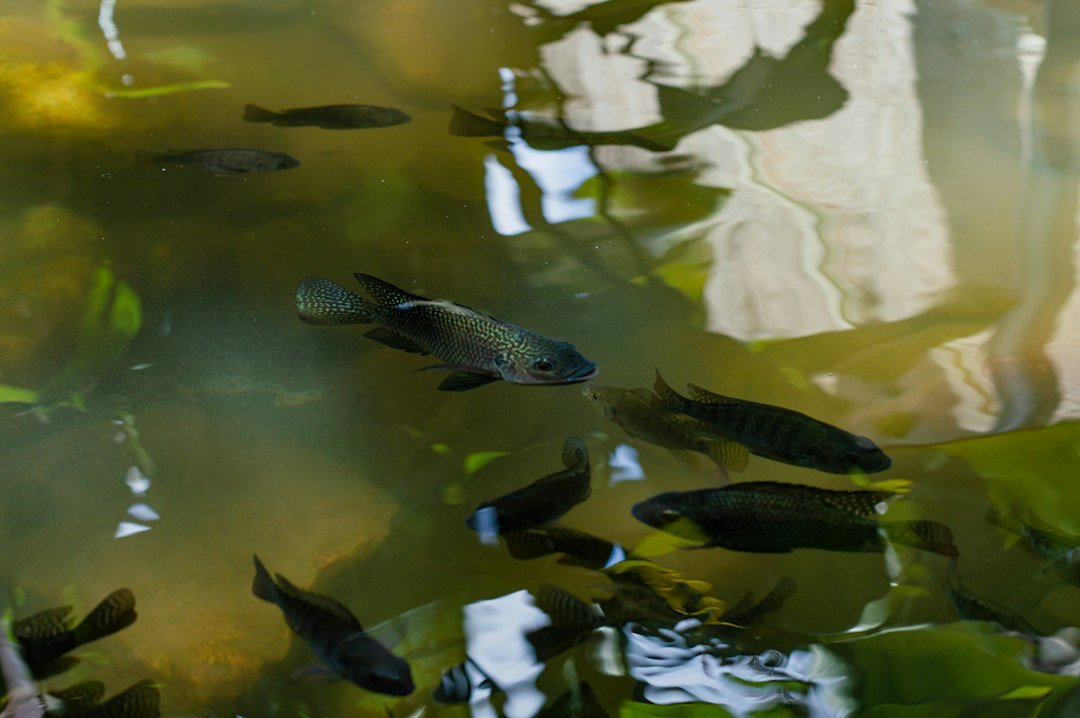
Tilapia farming Kenya Rwanda expansion plans got a boost after Victory Farms raised $15m (about Sh1.9 billion) in debt financing from UK-based development finance institution AgDevCo to build new fish-farming sites in Kenya and Rwanda, Business Daily Africa reported in April. The company has set a target of 30,000 tonnes of tilapia output by 2029, up from about 9,000 tonnes currently, as it aims to meet growing regional demand for Nile tilapia.
The investment lands amid genuine sector growth in Rwanda, where national fish production rose from 31,465 tonnes in 2019 to 52,439 tonnes in 2025, according to Rwanda’s Ministry of Agriculture and Animal Resources, cited by African Sustainability Matters in June. Rwanda produced about 71.6 million certified tilapia fingerlings in 2025, supplying both commercial farms and smallholder operations across the country’s lake systems.
A national strategy aiming higher still
Rwanda’s National Aquaculture Strategy, covering 2023 to 2035, targets sustainable production above 80,000 tonnes a year, a ministry spokesperson, Eugene Kwibuka, has said in describing government support programmes for the sector. Commercial operators including Kivu Choice and Fine Fish run integrated cage-farming operations on Lake Kivu and Lake Muhazi, combining breeding, feed production and distribution under one business model, an approach increasingly common among Rwanda’s larger aquaculture firms.

International donors have also backed the sector’s expansion. The Kwihaza Project, funded by the European Union and Luxembourg and running from 2023 to 2026, has financed hatchery rehabilitation, breeding-centre development and financing for smallholder fish farmers, part of a broader effort to professionalise Rwanda’s aquaculture value chain beyond its largest commercial players.
Costs remain the industry’s main constraint
Despite the investment, operators across the region describe persistent structural challenges: feed costs remain high, in part because much of the specialised fish feed used is imported, insurance for aquaculture operations is expensive and hard to obtain, and technical expertise in areas such as disease management and water-quality monitoring remains limited outside the largest commercial farms.
Victory Farms’ expansion into Rwanda, alongside the country’s own rising national output, suggests East Africa’s tilapia sector is attracting both private capital and government strategy simultaneously, a combination that regional aquaculture specialists say will be necessary if production targets such as Rwanda’s 80,000-tonne goal are to be met within the current strategy’s timeframe to 2035.
Industry analysts expect further financing announcements across East Africa’s aquaculture sector as demand for affordable farmed fish protein continues to rise in regional urban markets.
Tilapia has become one of East Africa’s fastest-growing sources of farmed animal protein as populations around Lake Victoria, Lake Kivu and other major lakes expand and wild-catch fisheries face mounting pressure from overfishing and environmental change. Farmed tilapia offers a way to meet rising protein demand without further depleting wild stocks, provided operators can manage the costs and technical challenges that still limit how quickly smaller producers can scale up alongside firms such as Victory Farms.
Regional governments, including Kenya’s and Rwanda’s, have both identified aquaculture as a priority sector for food security and export earnings, and have offered various forms of support, from extension services to infrastructure investment near major lakes. Whether that support translates into broader participation beyond the largest commercial operators, rather than concentrating gains among a handful of well-capitalised firms, is likely to shape how evenly the benefits of East Africa’s tilapia boom are eventually shared across the sector’s smaller farmers as well as its biggest investors.
Smallholder fish farmers in both countries have historically struggled to access the financing that firms such as Victory Farms can draw on from international development institutions, leaving many reliant on smaller loans or cooperative arrangements to expand production. Industry groups say closing that financing gap, rather than simply attracting more capital to the largest operators, will determine how broadly the current investment wave benefits East Africa’s aquaculture sector.



