
Somalia’s Cabinet approved a nine-member board for a new National Fishing Company. The decision came at its weekly meeting, chaired by Prime Minister Hamza Abdi Barre, according to a statement from the Prime Minister’s Office. The Ministry of Fisheries and Blue Economy proposed the board. It is meant to give the company a formal governance structure as Somalia seeks greater investment, employment and economic activity from its marine resources.
The Cabinet’s statement did not name the board’s members. The move follows a 2024 national fisheries catch of 76,026 tonnes, a 30% rise on the previous year, including 18,635 tonnes of yellowfin tuna. That figure comes from data Somalia submitted to the Indian Ocean Tuna Commission, the regional body that tracks catch volumes across the western Indian Ocean.
Despite that growth, Somalia’s catch remains far below what its waters could sustainably support. A 2025 analysis by the Somali Development and Reconstruction Bank estimated the country’s exclusive economic zone could yield between 380,000 and 500,000 tonnes of fish a year. Current output represents roughly a fifth of the sustainable potential the bank’s researchers identified.

A sector short on data and investment
The Food and Agriculture Organization says limited data and weak monitoring have hampered Somalia’s fisheries management for years. The country is trying to close that gap through the $55m Somalia Sustainable Fisheries Project, launched in 2025. The project includes a national Fisheries Information Management System, intended to track catches more accurately and help prevent overfishing as the sector expands beyond its current, largely artisanal base.
Somalia’s fishing industry supports an estimated 30,000 full-time jobs and 60,000 part-time positions directly. Roughly 500,000 people are engaged in related activities such as processing, distribution and equipment repair, according to the Development and Reconstruction Bank’s analysis. Formal governance through the new board is meant to help attract investment into processing and export infrastructure, which has lagged the growth in catch volumes over the past two years.
Fisheries as a growth priority
The fisheries push comes in a month when Somalia’s water resources have drawn attention for different reasons too, with the Shabelle River nearing flood danger levels near Jowhar in the centre of the country. Somali officials have framed fisheries development as central to coastal livelihoods, and to diversifying an economy still heavily dependent on livestock exports and remittances from the diaspora.
The Cabinet has not set a timeline for the National Fishing Company to begin operations, nor disclosed details of its planned capital structure. The same Cabinet meeting also addressed security, elections and health matters, according to the Prime Minister’s Office statement. That underlines how fisheries reform competes with other pressing items for ministers’ attention.
A coastline still largely artisanal
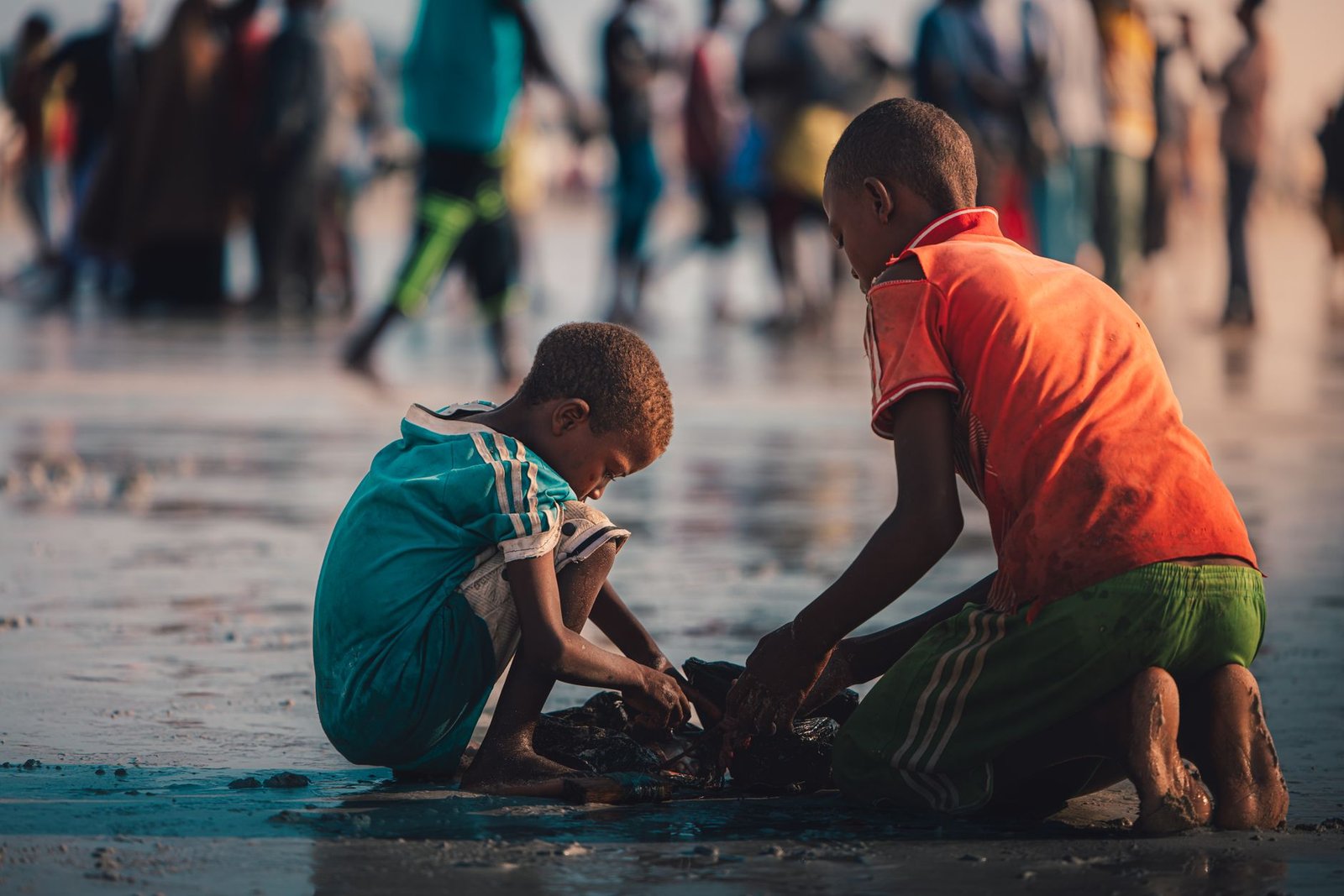
Most of Somalia’s current catch still comes from small, artisanal boats working close to shore, rather than the larger commercial vessels that dominate fishing fleets elsewhere in the region. Piracy off the Somali coast in the 2000s and 2010s discouraged foreign and domestic investment in larger-scale fishing infrastructure for years, a legacy the government is now trying to reverse as security along the coastline has improved.
Fisheries officials say the National Fishing Company is meant to anchor that recovery by giving international partners and domestic investors a single, accountable body to deal with, rather than the fragmented local arrangements that have characterised the sector since the collapse of earlier state fishing enterprises in the early 1990s.