
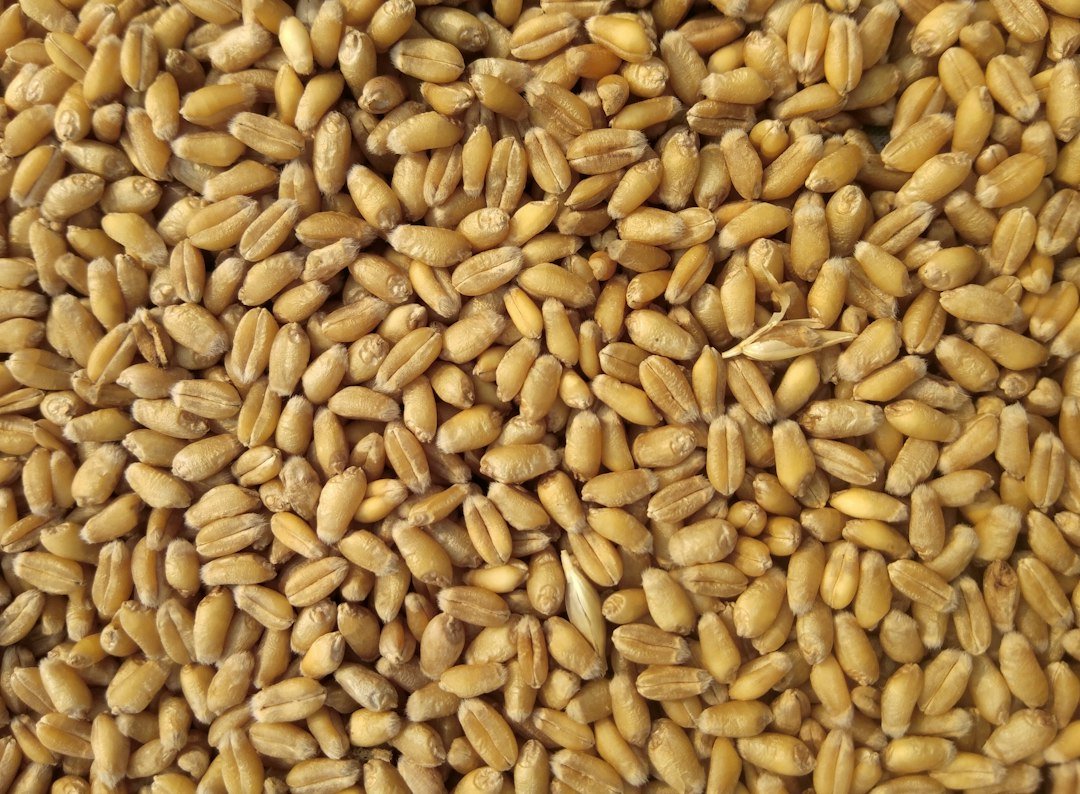
Ukraine has deposited seeds in the Svalbard Global Seed Vault for the first time since Russia’s full-scale invasion in 2022, sending roughly 1,000 samples of wheat, barley and other crop varieties to the Arctic facility on 15 October 2026. The transfer, confirmed by Norwegian officials and the seed vault’s operators, was made possible by Nordic cooperation that helped move the samples out of a country still at war, underlining how fragile seed security becomes once a conflict disrupts the institutions that normally safeguard it.
The Svalbard vault, built into a mountainside on the Norwegian archipelago, exists precisely for moments like this: it holds backup copies of crop diversity from genebanks worldwide so that a single war, disaster or funding collapse cannot permanently erase a country’s agricultural heritage. Ukraine’s own national genebank has operated under wartime strain since 2022, and NordGen, the Nordic genetic resource centre that helps manage deposits, said the latest shipment reflected sustained diplomatic and logistical effort rather than a routine addition.
The Ukrainian deposit was part of a larger round of international deposits at Svalbard this month, which the Crop Trust said added more than 16,000 crop samples in total, including contributions coordinated with CGIAR’s global network of agricultural research centres. That network spans genebanks across the Global South, from Colombia to Nigeria to India, whose collections of beans, cassava, rice and other staples face many of the same conflict and climate risks that Ukraine’s wheat and barley varieties do.

War has made seed banking a frontline concern
Researchers tracking genebanks in active conflict zones, including Palestine, Sudan and Syria as well as Ukraine, have described seed collections as quietly essential infrastructure that rarely attracts attention until it is lost. A genebank destroyed by shelling or looted during displacement cannot simply be rebuilt from memory: each sample represents generations of selection for traits such as drought tolerance or disease resistance that took decades to identify and preserve.
For Ukraine, a country whose wheat and sunflower exports matter well beyond its own borders, the loss of unique local varieties would also have consequences for plant breeders elsewhere who draw on that diversity to develop new, more resilient crops. The Svalbard deposit does not undo the disruption the war has caused to Ukraine’s agricultural research institutions, but it does create a durable backup that exists independently of what happens inside the country.
A model other conflict-affected genebanks may need
Norwegian and Nordic officials involved in the transfer framed it as a demonstration that international cooperation can still move seeds out of a war zone when the will and logistics align, even four years into the conflict. Crop Trust officials have previously said they hope to replicate similar arrangements for genebanks in other conflict-affected countries, though neither Sudan’s nor Syria’s collections have seen comparable large-scale transfers to Svalbard in recent years.
The practical question raised by this deposit is whether that willingness extends beyond Ukraine, whose cause has drawn unusually strong international backing, to genebanks in conflicts that receive less sustained diplomatic attention. Svalbard’s vault is built to outlast any single crisis, but getting seeds there in the first place still depends on exactly the kind of coordinated, well-resourced effort that produced this month’s Ukrainian shipment, and that effort has so far proved harder to arrange elsewhere.
Agricultural researchers who track genebank security argue the Ukrainian case should prompt donors and multilateral bodies to set up standing logistics arrangements for conflict-zone deposits before the next crisis, rather than negotiating transport and diplomatic clearance from scratch each time. Without that groundwork, they warn, the next genebank under acute threat may not have the months of coordination that made this particular shipment possible.



