
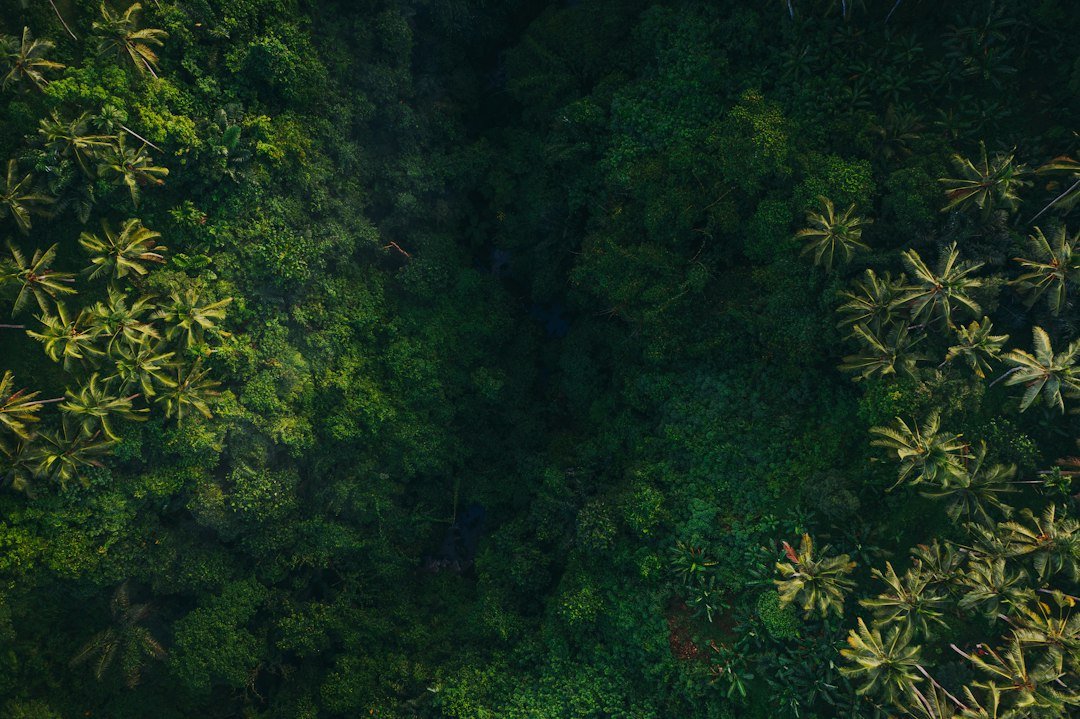
Congo Basin deforestation climbed to 2.4 million hectares last year, nearly matching the Amazon’s losses for the first time on record, even as global deforestation overall fell by 15 percent, according to the annual Forest Declaration Assessment released on 14 October by a coalition of research groups and non-governmental organisations. The contrast between a shrinking global total and a surging Central African figure has unsettled researchers who had hoped 2025’s improvement marked the start of a genuine trend rather than a temporary dip.
Worldwide, about 7 million hectares of forest, an area roughly the size of Ireland, were permanently destroyed in 2025. Latin America drove much of the global improvement, with deforestation falling 33 percent across the region historically responsible for the largest share of forest loss worldwide. The report’s authors credit Brazil’s deforestation action plan and stronger enforcement across the Amazon, though they caution that the gains depend heavily on a handful of governments staying the course, a fragile basis given upcoming elections including Brazil’s runoff on 25 October and recent votes in Colombia and Peru.
A disaster with no single cause
Sam Nguiffo, a Cameroonian lawyer and founder of the Centre for Environment and Development, described the scale of the Congo Basin’s losses bluntly. “Losing such a size of forest every year is a disaster,” he said, adding that the destruction is effectively irreversible and reduces the space available to local and Indigenous communities, fuelling conflicts over what land remains. According to the assessment, clearing for agriculture or mining remains the leading driver globally, while in Central Africa specifically, logging for timber alongside land clearance for farming and mining appear to dominate how forests are being lost.

Erin Matson, a co-author of the study at the research group Climate Focus, struck a more cautious note about the global figures than the headline decline might suggest. She called the overall improvement “encouraging but so far it’s the exception, not a new trajectory,” a judgement that applies with particular force to the Congo Basin’s trajectory in the opposite direction. Meeting the 2030 goal of ending deforestation entirely, agreed by governments at COP26 in 2021, would require cutting roughly a further 1 million hectares from the annual global total, a target the current pace of progress falls well short of reaching.
El Niño raises the stakes further
Both researchers pointed to a developing El Niño pattern, which emerged in June and is expected to peak later this year, as a complicating factor that could push 2026’s figures in the wrong direction regardless of policy gains made so far. Matson noted a “huge spike” in tree cover loss during the comparably strong El Niño of 2015-16, and said a repeat of 2025’s modest improvement looks unlikely if this year’s event proves as intense as some forecasts suggest. The same El Niño pattern has already been linked to wildfires burning for months across Indonesia’s Borneo and South Sumatra, a disruption this publication has also been following as haze spreads across the region, a reminder that drought-driven forest loss and deliberate clearance are increasingly difficult to separate in a hotter, drier year.
For the Congo Basin specifically, Nguiffo’s warning extends beyond the immediate ecological toll. Forest loss on this scale, he argues, erodes the cultural identity and daily livelihoods of communities who depend on intact forest, a cost the assessment’s hectare totals cannot fully capture on their own. Unlike the Amazon, where international attention and funding have grown sharply in recent years, Congo Basin deforestation has historically drawn less global scrutiny relative to its scale, a gap researchers say the latest figures make harder to justify.



