
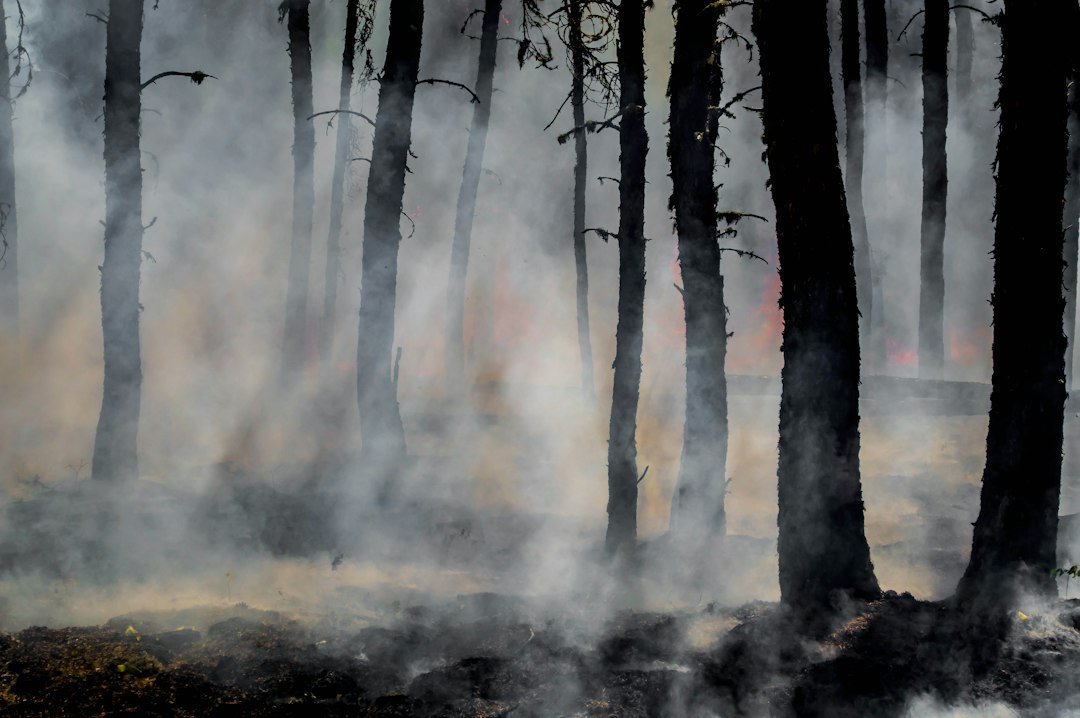
Indonesia forest fires and haze have reached their worst point in eleven years, according to Indonesian authorities, with smoke from blazes burning across Sumatra and Kalimantan pushing air quality in Singapore and Malaysia into unhealthy territory for more than two weeks running. Singapore’s Air Quality Index hit 194 at 11am local time on 13 October, a reading IQAir classifies as unhealthy, and the monitoring group ranked the city-state the world’s second most polluted major city that day, behind only Lahore in Pakistan.
Jakarta has responded with one of its largest firefighting mobilisations in years, deploying more than 60,000 personnel alongside 48 helicopters and fixed-wing aircraft for direct firefighting, cloud seeding and water-bombing operations. Officials attribute the severity of this year’s fires to a developing El Niño pattern bringing unusually hot, dry conditions, compounded by the slash-and-burn land clearance and peatland drainage that drive seasonal fires in the region most years regardless of weather.
Diplomacy moves faster than the fires
The haze has triggered an unusually rapid run of diplomatic contact between Jakarta and its neighbours. Indonesian President Prabowo Subianto and Malaysian Prime Minister Anwar Ibrahim spoke by phone earlier in the week of 5 October, and Anwar said publicly on 8 October that Prabowo had agreed to take the necessary measures to bring the fires under control. Two days later, Indonesian Foreign Minister Arrmanatha Nasir briefed his Malaysian counterpart, Mohamad Hasan, directly on the government’s response. Arrmanatha said he hoped the fires would subside soon, noting that rain was forecast, though Indonesian officials have separately warned the haze could persist into November.

Singapore residents have so far endured unhealthy air quality since 4 October without major disruption to daily life, according to local reporting, continuing outdoor activities and routines despite the readings. That resilience has limits: government figures show more than 202,000 hectares burned between January and July alone, a tally officials have not updated since, even as the current flare-up suggests the true area affected this year is considerably larger.
A regional problem with an annual rhythm
Haze from Indonesian land and forest fires has disrupted Southeast Asian air quality in various years for decades, prompting repeated regional agreements on fire prevention that have had only partial success. This year’s El Niño conditions make the fires harder to contain once started, since prolonged heat and dryness dry out peat and vegetation that would otherwise resist burning, extending the time firefighters need to bring any single blaze under control. Most of the current hotspots and active burning remain concentrated on Sumatra and Borneo, the same islands that have produced the bulk of the region’s haze crises in previous bad years, a continuation of the strain this publication previously reported was already pushing wildlife toward crisis on Borneo.
Past haze episodes have sometimes stretched into prolonged diplomatic friction, with Malaysia and Singapore pressing Jakarta for tougher action against plantation companies accused of illegal burning. Officials on all three sides have so far kept this year’s exchanges notably cordial, framing the response as cooperative rather than accusatory, though that tone could shift quickly if the smoke persists into November as Indonesian authorities themselves have warned it might.
With both governments now engaged at the head-of-state level and firefighting resources already committed at scale, the test in the coming weeks will be whether forecast rains arrive quickly enough to do what tens of thousands of personnel on the ground have not yet managed on their own. Until then, Indonesia forest fires and haze look set to remain the defining regional story of this year’s dry season, however the diplomacy around them unfolds.



