
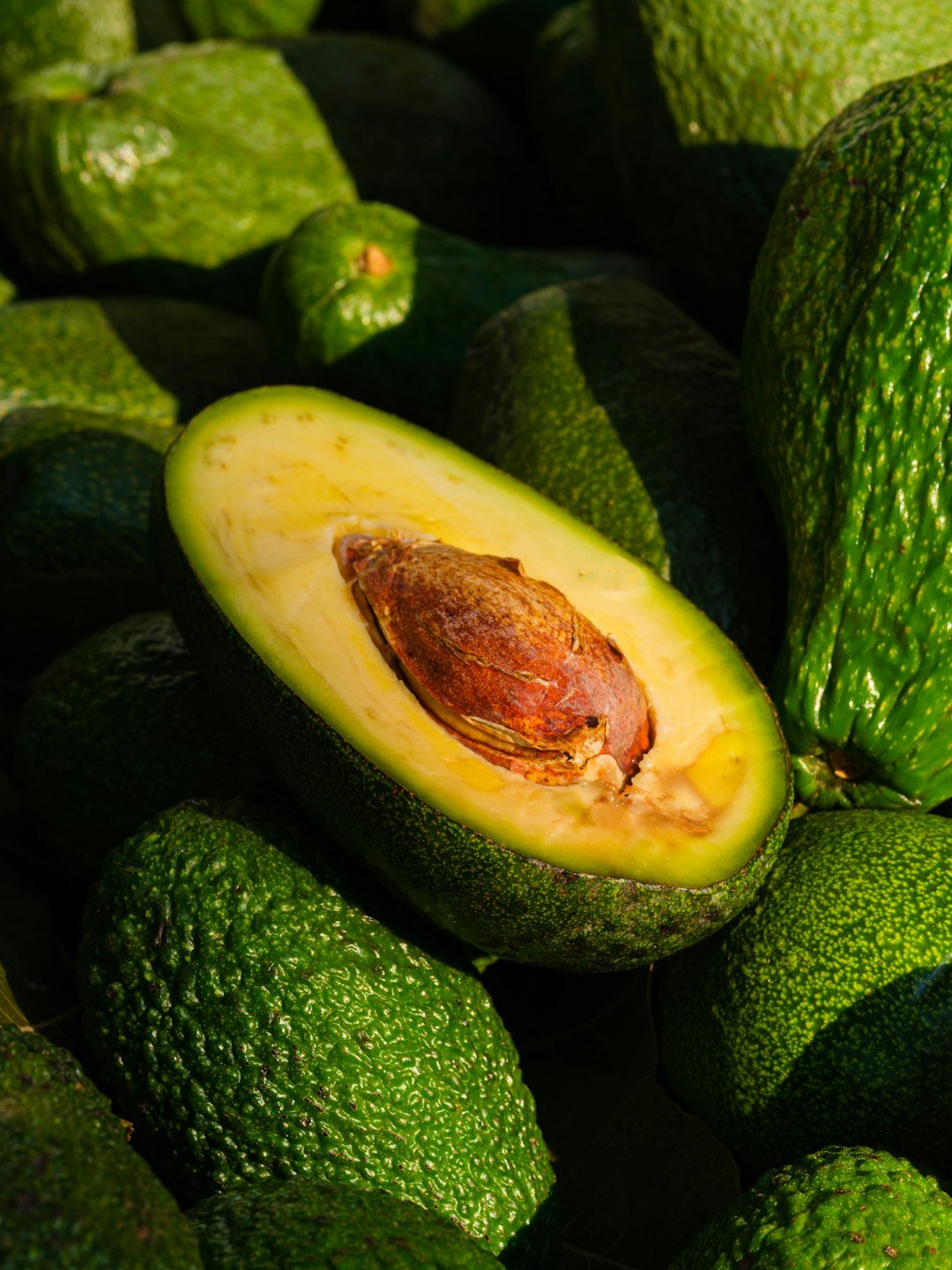
Peru avocado exports reached $1.13 billion in value over the first seven months of 2026, up 7.6 percent on the same period last year, according to trade data covering the country’s non-traditional agricultural sector. Hass avocados alone accounted for 17.9 percent of all non-traditional agricultural exports during that window, ahead of fresh grapes at $806 million and blueberries at $620 million, even though blueberry shipments grew faster in percentage terms.
Measured by volume rather than value, Peru’s agriculture ministry recorded 505,377 metric tonnes of Hass avocado exports between January and June, a six percent increase on the prior year. That keeps Peru in second place globally behind Mexico among Hass exporters, a ranking the country has held for several seasons as plantings in its coastal and Andean valleys have matured.
Smallholders gain a foothold
What distinguishes this year’s figures, according to Peru’s agrarian health service SENASA, is the growing share of small producers entering the trade from Andean regions including Ayacucho, Huancavelica, Apurímac, Cusco and Áncash, areas historically associated with subsistence farming rather than export agriculture. Vilma Gutarra, who heads SENASA, said the incorporation of small producers into international trade “not only strengthens the rural economy” but also spreads the benefits of the avocado boom beyond the large commercial farms that have driven most of Peru’s growth to date.
Market access has expanded alongside production. Peruvian avocados can now enter 70 countries, with South Korea, Thailand, Colombia, Mexico and the Philippines among the markets opened most recently. SENASA says it is working to add Vietnam, Taiwan, New Zealand and Australia to that list, a process that typically requires lengthy phytosanitary negotiations before the first commercial shipment can leave Peruvian ports.

Destinations still concentrated in the West
Despite the widening list of approved markets, trade remains concentrated. In the 2025 campaign, the most recent full season on record, exports reached 771,201 metric tonnes, with the Netherlands, Spain and the United States receiving 63 percent of all shipments between them. Chile, meanwhile, functions less as an end destination than as a strategic transit and trading partner within South America, officials say, helping Peruvian exporters reach markets further afield.
The growth has not been limited to a single crop. Peru’s total agricultural exports reached $6.84 billion in the same seven-month period, up 2.5 percent, with avocados, grapes and blueberries together accounting for the bulk of the sector’s non-traditional earnings. For the smallholders now entering that trade for the first time, the appeal is straightforward: a crop that commands export prices offers a far better return than selling into domestic markets alone, provided the phytosanitary and logistics hurdles can be cleared.
Officials caution that Peru avocado exports still depend heavily on weather and water availability in a country prone to drought cycles, meaning this year’s gains are not guaranteed to repeat indefinitely even as new markets continue to open. Avocado trees need steady irrigation for several years before reaching full yield, which makes the crop a riskier bet for smallholders with limited savings than faster-cycling vegetables or grains, even though the eventual payoff can be substantially higher once a grove matures.
The current El Niño pattern, already blamed for worsening drought and wildfire conditions elsewhere in the tropics this year, adds a further variable Peruvian growers are watching closely. Coastal valleys that depend on glacial meltwater and seasonal rainfall could see tighter water budgets if the pattern intensifies as forecasters expect, a risk that applies as much to the new Andean entrants as to the larger commercial operations that have long dominated the trade. For now, exporters and officials alike are treating the sector’s growth as a reason for cautious optimism rather than an assurance that momentum will simply continue unchecked.



