
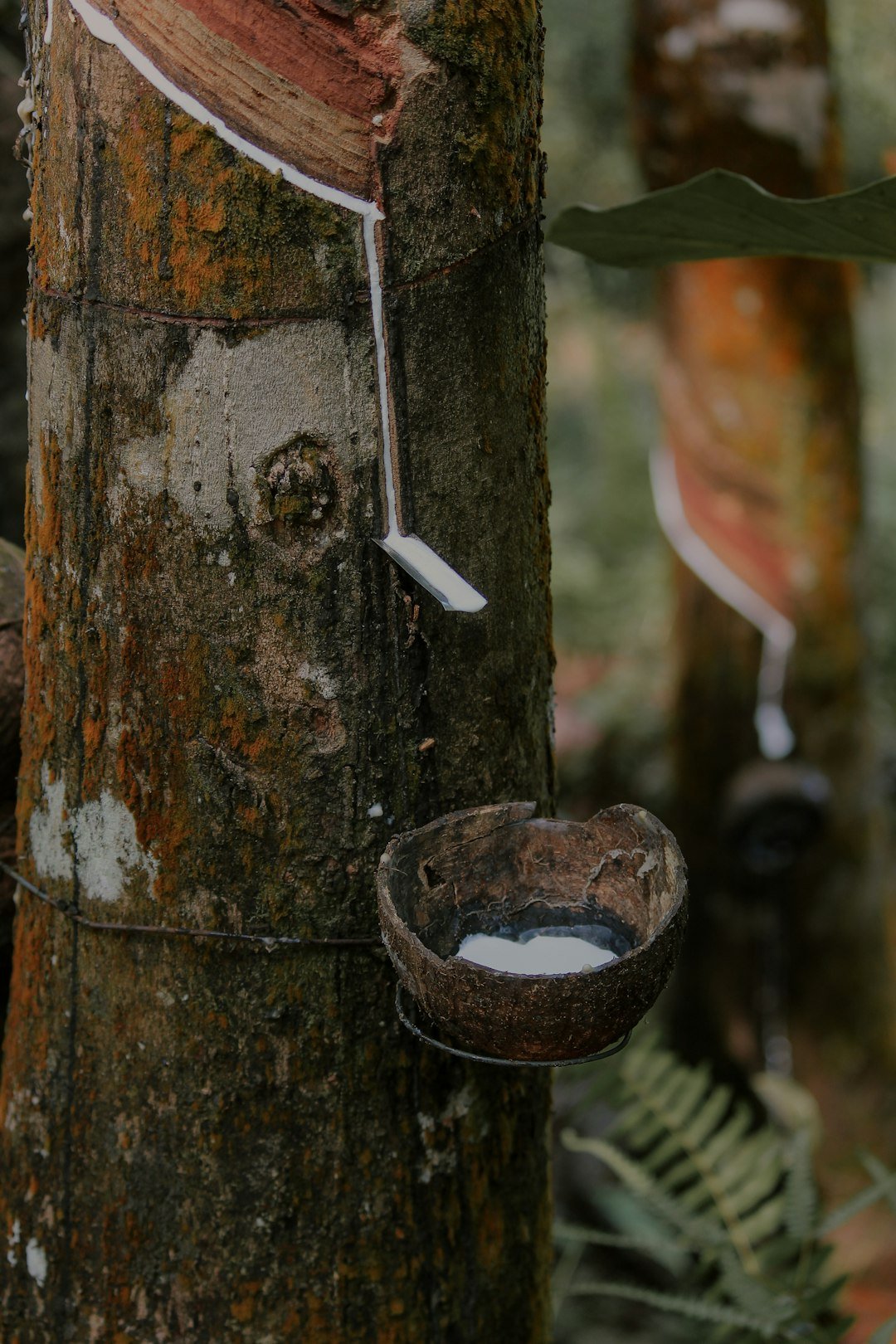
Kerala rubber prices reached a new domestic high on 13 October. RSS-4 grade sheets fetched Rs 284.50 per kg in the Kottayam and Kochi markets, Onmanorama reported. That works out to roughly $3.23 per kg, using an approximate exchange rate of Rs 88 to the US dollar. The figure edged past the previous record of Rs 284 per kg, which was set on 1 August 2026 and held for only four days. It marks the second record within just over ten weeks. Strong demand from tyre manufacturers and other industrial buyers, combined with a persistent supply shortage, pushed the rate higher still. Processors and tyre makers now face higher input costs as a result.
The international RSS-4 price stood at Rs 282.16 per kg on the same day, Rs 2.34 below Kerala’s new domestic rate. Domestic prices usually track global rates fairly closely, moving up or down broadly in step with them. This time, local demand and tight local supply pulled the state’s price above the world benchmark instead of merely following it. That reversal highlights just how stretched Kerala’s rubber supply had become by mid-October, and how aggressively buyers were bidding to secure stock.
The rally has been building for at least four months. Keralakaumudi reported on 22 June that prices had already surged past Rs 275 per kg, overtaking an earlier record of Rs 255 per kg. International sheet prices had crossed Rs 300 by that point, even as Kerala’s own domestic rate lagged behind the wider global market. The gap between the two has narrowed sharply since then, culminating in October’s reversal. Kerala’s growers now command a premium over world rates for the first time in this cycle.

Producers elsewhere struggle to keep pace
Supply constraints were already visible by June. Production had fallen across Indonesia, Thailand and Malaysia, three of the world’s largest rubber-producing countries, while demand from Chinese buyers rose at the same time. The state Rubber Board’s quoted price stood at Rs 275 per kg that month. Tight supply, however, pushed some industrial buyers to pay as much as Rs 277 per kg to secure urgent stock.
That premium, paid months before October’s record, shows how early the squeeze on supply began. Tyre manufacturers and other large buyers were already competing for limited sheets well before the domestic rate overtook the international one. The shortage in top producing countries gave Kerala’s growers unusual leverage over buyers who could not wait for prices to ease. That dynamic has only strengthened as the year has progressed.
Farmers left outside the support scheme
A fixed support price of Rs 250 per kg applied throughout this period, under the state’s price-stability scheme for growers. That rate sat well below both the Rubber Board’s quoted price and the sums industrial buyers paid for urgent supplies. Farmers who sold through the scheme gained little from the rally, even as open-market rates climbed steadily across the summer and into autumn. The scheme’s support price has not moved since June, leaving a widening gap between its guarantee and the open market. That shortfall means many growers tied to the scheme see little benefit from a rally meant to reward them.
Kerala rubber prices now sit well above the scheme’s support level and above global benchmarks alike. Growers selling on the open market have captured most of the recent gains, while those tied to the fixed scheme have missed out. Tyre manufacturers continue to compete for limited stock, and the shortfall in major producing countries shows few signs of easing by mid-October. Markets in Kottayam and Kochi will remain the ones to watch as the squeeze persists.



