
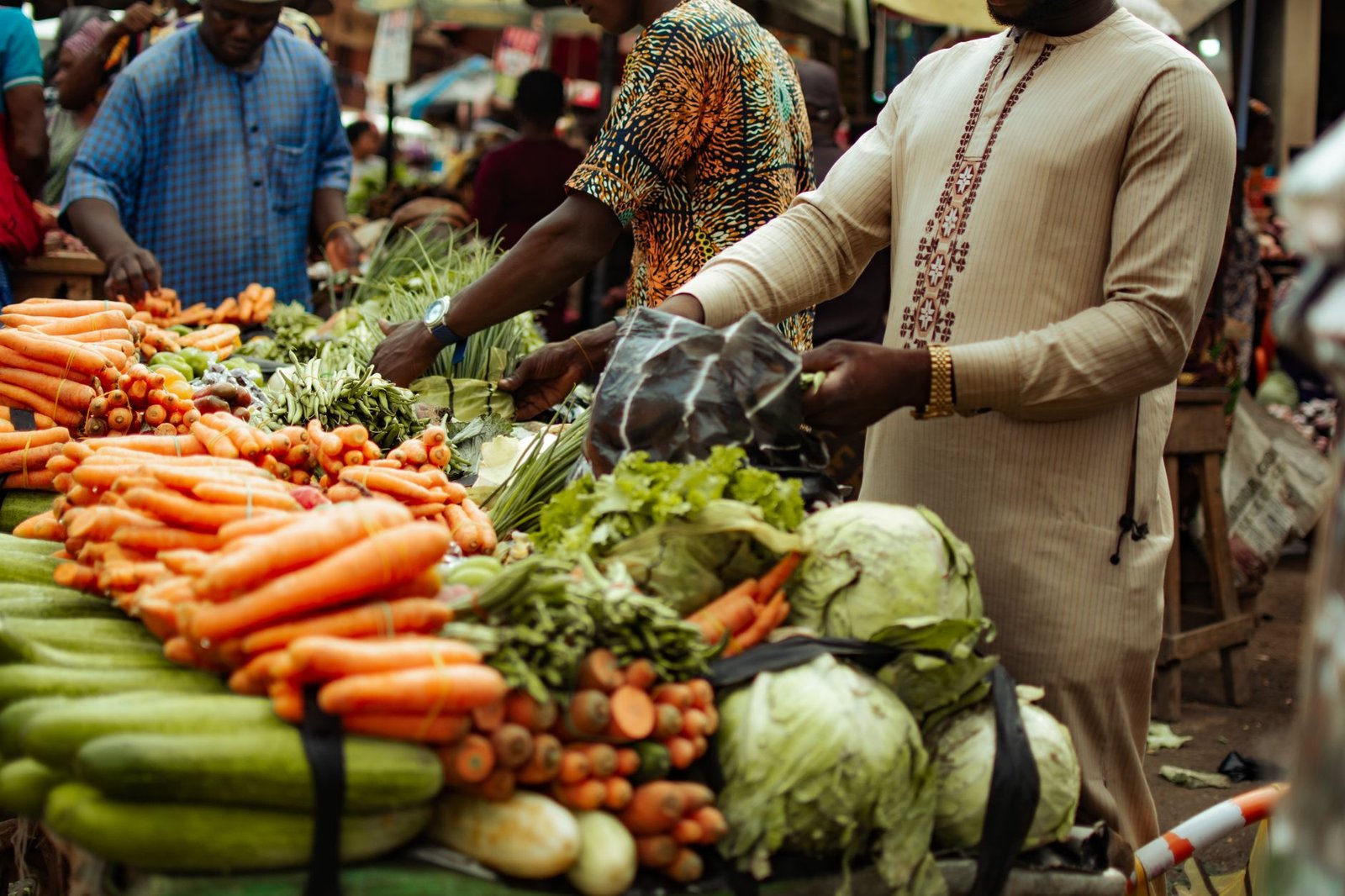
Africa currently spends $70 billion a year importing food, a bill delegates at the 6th Eastern Africa Farmers Federation (EAFF) Congress say reflects chronic underinvestment rather than any shortage of land or farmers. The figure anchored discussions at the Congress, held in Kigali, Rwanda, from 30 September to 2 October 2026, where agricultural leaders from across the continent gathered to confront the financing gaps keeping African farming underdeveloped.
“As a continent, we are seated on a time bomb,” the EAFF President told delegates, describing the import bill as “really a wake-up call.” Rwanda’s Agriculture Minister set the tone for discussions, noting that the Congress met “at a time when we’re experiencing climate shocks, high trade costs.”
Delegates argued that Africa’s reliance on imported food has little to do with available farmland or farming communities. The continent holds vast agricultural potential, speakers said, but decades of underinvestment have left smallholder farmers without the capital, credit or climate protection needed to meet domestic demand.

Maputo pledge still unmet
Much of the Congress’s frustration traced back to a commitment African Union member states made more than two decades ago. The 2003 Maputo Declaration bound signatory governments to channel at least 10% of national budgets into agriculture. Most African countries fall well short of that target, spending closer to 3%, according to figures presented at the Congress.
That shortfall compounds a deeper access problem. Agricultural loans account for only about 5% of total bank lending across the countries discussed in Kigali, and interest rates on the credit that is available run above 24%. For smallholder farmers operating on thin margins, borrowing at those rates to expand production or weather a bad season is rarely viable.
Climate finance shows a similar pattern. Less than 1% of global climate-adaptation funding reaches smallholder farmers, despite their outsized exposure to droughts, erratic rainfall and shifting growing seasons across Eastern Africa.
Calls for food sovereignty
The International Fund for Agricultural Development (IFAD) framed the gap as a political problem rather than a technical one. “This must change, and it can change with political will, strong public-private producer partnerships,” the organisation’s Regional Director told the Congress.
Delegates called for redirecting money currently spent on food imports toward domestic agriculture instead. Priorities raised included expanding support for smallholder farmers, scaling up climate-smart farming practices, drawing more young people into agriculture, and improving farmers’ access to markets. The repeated aim through the Congress was “food sovereignty,” a continent able to feed itself rather than depend on imported grain and produce.
The $70 billion food import bill now stands as the clearest evidence that current approaches are not working, delegates said. Each dollar spent importing food represents capital that could instead strengthen local production, build rural infrastructure or close the financing gap that has kept African agriculture underfunded since Maputo.
Africa is not alone in facing an acute, globally watched food-security crisis rooted partly in import dependency. In Yemen, United Nations agencies including the World Food Programme have reported a deepening hunger crisis amid ongoing fighting, underscoring how exposed import-reliant food systems can become when conflict or economic shocks disrupt supply.
Whether the Kigali Congress translates into policy change will depend on the same question delegates raised about Maputo: whether governments follow pledges with budgets. For now, EAFF and IFAD officials say the $70 billion food import bill gives African governments a stark, quantifiable reason to act.