
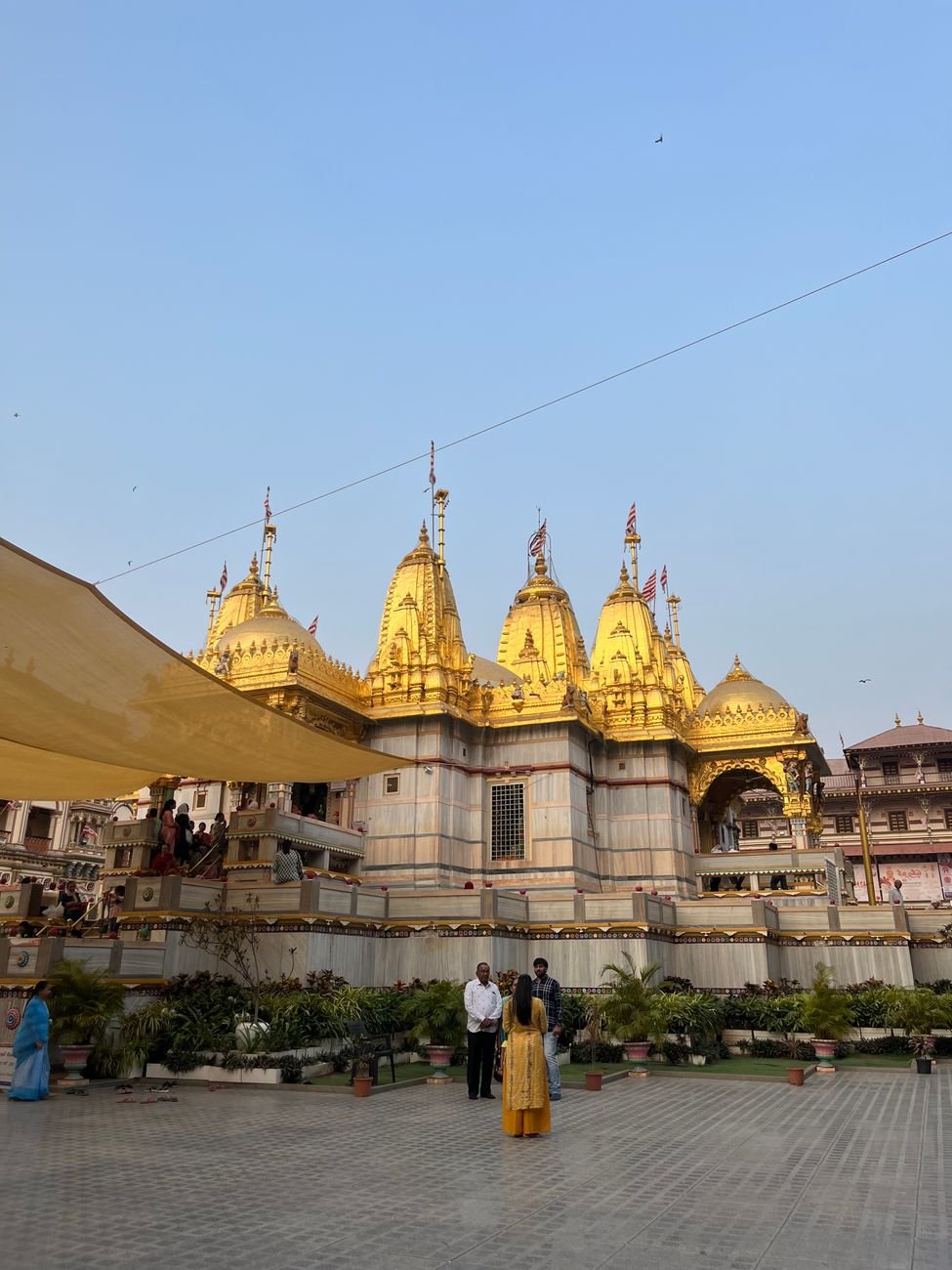
Gujarat’s Ambaji Temple received the Mohanthal GI tag for its prasad on the first day of Navratri. India’s Geographical Indication registry recognised the gram-flour sweet as tied to a specific place and tradition. Temple priests offer it first to the goddess Ambaji Maa, then devotees receive it daily as prasad. The temple, in Banaskantha district, prepares the sweet using a method kept largely unchanged for generations.
Ambaji Temple is one of the 51 Shakti Peethas, sites considered especially sacred in Hindu pilgrimage tradition. It stands in the town of Ambaji, in Banaskantha district, Gujarat. Mohanthal is made from gram flour, sugar and ghee. The district government describes the recipe as passed down through generations and perfected by experts. That process gives the sweet its mustard-yellow colour, granulated texture and distinct aroma, qualities officials say set it apart from similar sweets made elsewhere.
Banaskantha Collector and temple managing trustee Mihir Patel said the prasad symbolises devotees’ faith and the temple’s rituals. He linked the sweet to a bond between worshippers and the goddess built over centuries. Speaking to Ahmedabad Mirror, Patel thanked the Government of India and Prime Minister Narendra Modi for the recognition, according to reported remarks.

How the GI tag was secured
The Shree Arasuri Ambaji Mata Devsthan Trust filed the application for the tag on 1 October 2026, days before Navratri began. Authorities granted the Mohanthal GI tag on 8 October. Officials then presented the certificate at the temple on 11 October, timed to coincide with the festival’s opening day. The sequence placed the announcement inside one of the temple’s busiest periods of the year.
The trust manages daily rituals at Ambaji Temple, including the preparation and distribution of prasad. Mohanthal’s inclusion under GI protection formalises a practice the trust has maintained for generations. It also gives the temple a documented claim over a recipe closely tied to its identity, separate from similar besan sweets sold under the same name elsewhere in Gujarat.
Mohanthal is prepared each day as Raj Bhog, the temple’s principal offering to the goddess. Priests cook it before darshan hours and distribute it afterwards to pilgrims. Navratri draws especially large crowds to Ambaji, multiplying demand for the sweet through the nine-day festival. The GI recognition arrived just as that seasonal surge was beginning, placing new attention on a recipe pilgrims already associate with the temple.
What the GI tag protects
A Geographical Indication tag ties a product’s name to its place of origin and a defined method of production. It stops other producers from marketing a sweet as Ambaji’s Mohanthal unless it follows the registered recipe and comes from the designated area. For temple trusts, the tag offers a legal basis for defending a recipe’s identity against imitation.
Pilgrims also gain a guarantee from the tag. Prasad sold or distributed as Mohanthal must now match the version offered daily to the goddess. For Banaskantha district, the recognition marks the sweet as a distinct heritage product tied to one of Gujarat’s most visited pilgrimage sites.
The award formally separates Ambaji’s Mohanthal from other besan-based sweets sold under similar names across the region. It ties the name specifically to the recipe prepared inside the temple complex. For the trust, that distinction gives decades of practice a documented, legally recognised status for the first time.



