
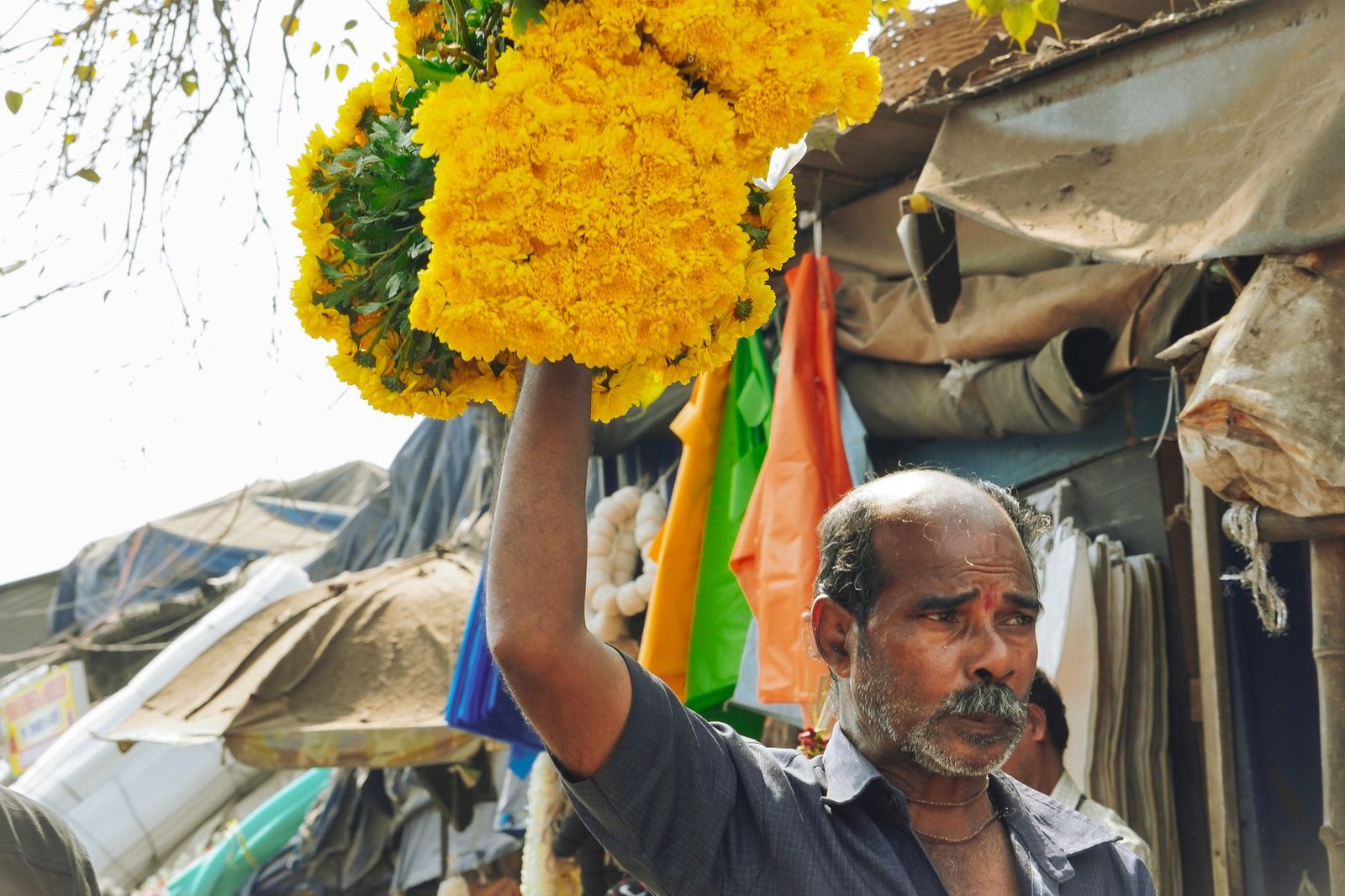
Idukki marigold farmers grew a bumper crop this Onam season, only to watch much of it go unsold once the flowers finally opened. Onam fell earlier this month, and the marigolds, or genda flowers, that farmers had timed for peak festival demand bloomed late instead, arriving after buyers had already stocked up elsewhere. Onmanorama reported the shortfall on 18 September 2026, tracing it to growers around Cheruthoni and villages including Vazhathoppu, Mariyapuram, Vathikudy and Kanjikuzhy.
The flowers were cultivated by the Thanal Farmers Group, a local collective working under the Haritharavam initiative, which the Idukki Block Panchayat supports as part of its broader push to encourage organised local farming. The harvest itself was strong, which makes the outcome harder to accept. Unpredictable, climate-driven delays pushed blooming past the point where most Onam buying happens, leaving growers holding flowers nobody was still shopping for in the same volumes.
Marigolds carry outsized importance during Onam. They form a core ingredient of the pookalam, the elaborate floral carpets that anchor the festival’s most visible tradition, so demand is concentrated tightly around the ten days of celebration. Households and institutions buy heavily in that narrow stretch and then largely stop, since pookalam-making is tied to the festival calendar rather than spread across the year. Miss that window and a grower loses the market almost entirely, regardless of how healthy the crop looks in the field.

The market gap behind a strong harvest
The timing mismatch is only part of the story. Kerala’s flower trade runs largely through Tamil Nadu, where established supply chains already dominate the market growers here depend on. Kerala-grown flowers frequently have to travel to Tamil Nadu wholesale hubs first, before local dealers will buy them back, adding transport costs that eat directly into farmers’ already thin margins. That circuitous route means Idukki’s marigolds compete on worse terms than imported ones, even when grown closer to where they are ultimately sold.
Growers and observers have identified the absence of a reliable local market framework as the real problem, rather than any shortcoming in cultivation. Idukki’s climate and terrain clearly support marigold farming at scale, and the bumper harvest itself is proof of that capacity. What is missing is a dependable channel connecting that supply directly to Kerala’s own festival demand, without routing it through another state first. Every added leg of transport through Tamil Nadu also lowers the price a grower can eventually claim, since dealers there and in Kerala both take a share before the flowers reach a local buyer.
What could change the outcome next year
There are calls for Horticorp, the Kerala State Horticultural Products Development Corporation, to step in and help growers reach buyers more directly. Direct farm-gate procurement, where buyers purchase straight from growers rather than through layered middlemen, has also been floated as a way to bypass the current supply chain entirely. Neither fix is complicated in concept, though building the logistics and trust needed to run them reliably each Onam season would take sustained effort.
The episode sits alongside another change under way in Kerala this week, where authorities are introducing a digital-currency-based system for ration purchases. Both cases point to the same underlying lesson for the state’s food and flower producers: how well infrastructure and markets are designed, more than effort or harvest size, ultimately decides whether growers get paid for what they produce.