
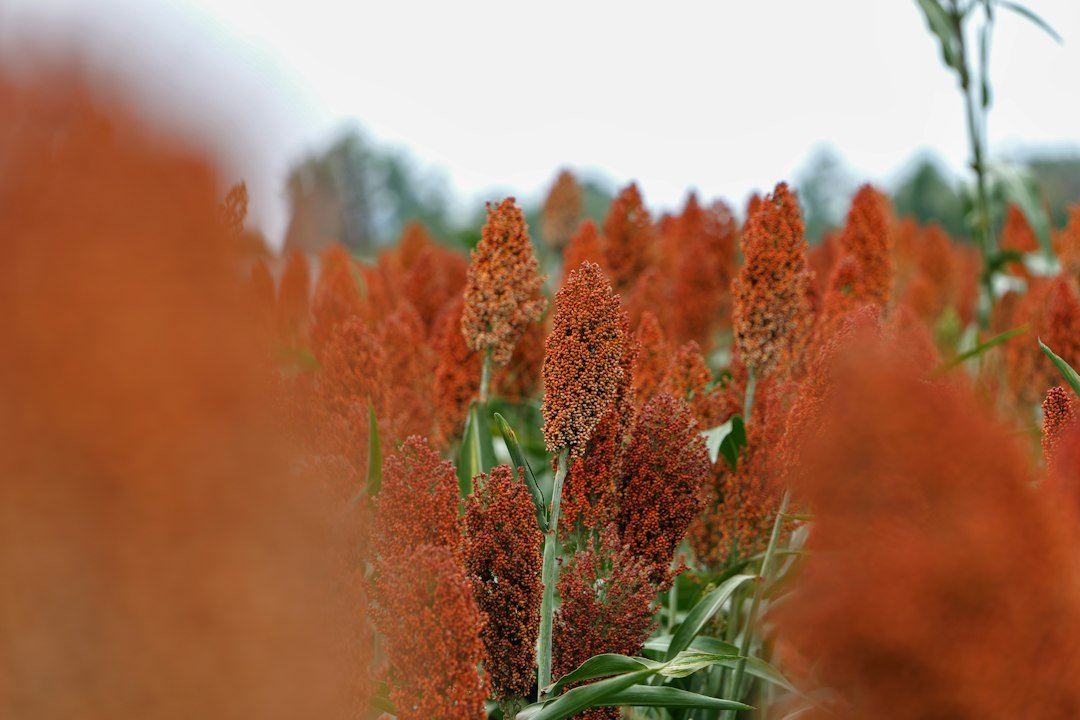
Google DeepMind and the International Crops Research Institute for the Semi-Arid Tropics have launched an open-access genetic atlas for sorghum. The grain is a staple for millions of smallholder farmers across the semi-arid tropics. The atlas draws on ICRISAT’s genebank of more than 44,000 sorghum accessions, held at the institute’s Hyderabad campus. It will map the genes behind drought tolerance, pest resistance and yield.
The goal is speed. Conventional crop breeding can take a decade to move a useful trait from a wild or landrace variety into a commercial seed. Google DeepMind and ICRISAT say their AI-driven approach could shrink that to a few years. Business Standard and Global Agriculture both reported the partnership this month.
A fellowship built around the genebank
Google DeepMind is also funding a three-year postdoctoral fellowship at ICRISAT, its first in India. The fellowship will anchor the genomic work on-site. Researchers from the HudsonAlpha Institute for Biotechnology and the University of Washington are collaborating on the genome-mapping methods. Their approach combines machine learning with large-scale sequencing data.

Sorghum is a useful starting point for this method. It already tolerates heat and poor soils better than maize or wheat. That makes it a staple crop in parts of India, East Africa and the Sahel. Breeders have long suspected its genebank holds untapped resistance traits. But screening tens of thousands of accessions by conventional methods is slow and expensive. An AI system can scan genetic sequences for patterns linked to known traits far faster than manual trials allow. It can then flag the most promising lines for field testing.
ICRISAT and Google DeepMind plan to extend the same approach to three more crops: chickpea, groundnut and pigeon pea. All three are central to smallholder diets and incomes across South Asia and Africa. Researchers class all four crops, sorghum included, as orphan crops in global research funding. They receive a fraction of the investment that goes into maize, wheat, rice and soyabean, despite feeding hundreds of millions of people.
Open access is the point
Unlike many corporate crop-science partnerships, the atlas is being built as an open-access resource. It will not sit behind a proprietary licence. That distinction matters for public breeding programmes in India and Africa. These programmes often lack the computing power or genomic expertise that large seed companies can draw on. They have historically depended on publicly funded institutes such as ICRISAT for improved varieties free of licensing restrictions.
The announcement follows a string of AI-for-agriculture projects this year. Recent examples include voice-assistant tools for farmers in East Africa and drone-mapping projects across Tanzania. What sets the ICRISAT partnership apart is its focus upstream, on the genetics behind seed development, rather than on tools that reach farmers directly. Faster breeding cycles alone will not raise yields, breeders caution. New varieties must still clear years of field trials and seed-multiplication steps before they reach smallholders.
ICRISAT has not given a date for when the first AI-assisted sorghum varieties might reach farmers. But researchers say breeding programmes elsewhere should be able to use the genetic atlas itself within the next year. Similar open genomic resources have previously taken a decade or more to assemble on conventional sequencing budgets. That gap shows the scale of the computing shift now under way in public crop science. For the farmers who eventually plant any resulting seed, the real test will come years from now, in fields far from the laboratories of Hyderabad.



