
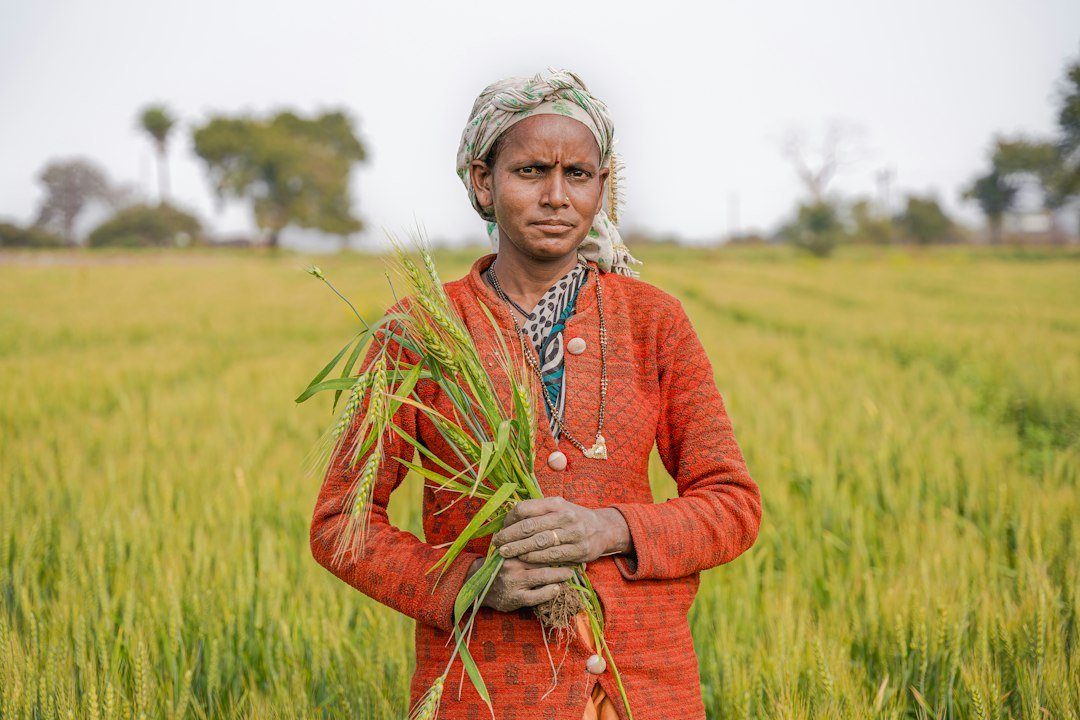
India’s Council of Agricultural Research has launched a project with two international partners to build South Asia’s first climate adaptation atlas for agriculture, aiming to map climate risk across the region’s farming systems. The initiative, known as the Atlas of Climate Adaptation in South Asian Agriculture, brings together ICAR with the International Maize and Wheat Improvement Center, known as CIMMYT, and the Borlaug Institute for South Asia, known as BISA. The three organisations announced the project this month.
The atlas is designed to map climate risks and adaptation options across South Asia’s diverse farming systems, from the Indo-Gangetic plains to drought-prone regions further south, and compile that information into a single reference tool. The intention is for the atlas to guide policy and investment decisions by showing where climate risk to agriculture is most acute and which adaptation measures are already proving effective in similar conditions elsewhere in the region.
CIMMYT and BISA bring decades of crop research experience to the project, having worked on wheat and maize breeding and agronomy across South Asia for years. ICAR, India’s apex agricultural research body, coordinates research across the country’s network of institutes and state agricultural universities. The partnership positions the atlas as a joint resource intended for use by policymakers and researchers across South Asia, not India alone, given the shared climate risks facing farming systems that cross national borders.

Mapping risk across farming systems
The three organisations describe the atlas as the region’s first attempt to bring climate adaptation data for agriculture together in one place, rather than scattered across separate national datasets held by individual countries or research institutes. That fragmentation has long made it difficult for policymakers to compare adaptation options tried in one part of South Asia against conditions elsewhere in the region. The underlying climate risks, such as erratic monsoon patterns or rising heat during key growing periods, are often shared across borders regardless.
South Asia’s farming systems face a wide range of climate threats, from erratic monsoon rainfall to rising heat stress and shifting pest pressure, but the region has lacked a single, comparable dataset that maps these risks alongside the adaptation measures being tried in response. The atlas project aims to close that gap, combining climate data with information on cropping patterns and existing adaptation practice into a format intended for use by national and state-level agriculture departments.
Climate plans under wider scrutiny
The launch comes as India’s broader climate adaptation record faces continued scrutiny. A recent global scorecard found India’s climate plan weak on health, underlining gaps between national climate strategy and the practical tools available to farmers and health systems on the ground. An atlas focused specifically on agricultural adaptation will not resolve those wider gaps, but it does address one piece of the puzzle, giving policymakers a clearer picture of where farming systems are most exposed as they revise national adaptation plans.
ICAR, CIMMYT and BISA have not set out a public timeline for when the atlas will be completed or how its findings will feed into specific national policies. The project’s launch this month marks an early stage of a longer undertaking, with the organisations describing it as a regional resource rather than one tied to any single country’s planning cycle.
How quickly the atlas moves from a mapping exercise to a tool that actually shapes budget and policy decisions will depend on uptake by state and national agriculture departments once the first version is ready. Earlier regional data initiatives in South Asia have sometimes struggled to move past the research stage into routine use by government planners. ICAR, CIMMYT and BISA will need sustained engagement with policymakers to avoid the same fate for a project billed as the region’s first climate adaptation atlas for agriculture.



