
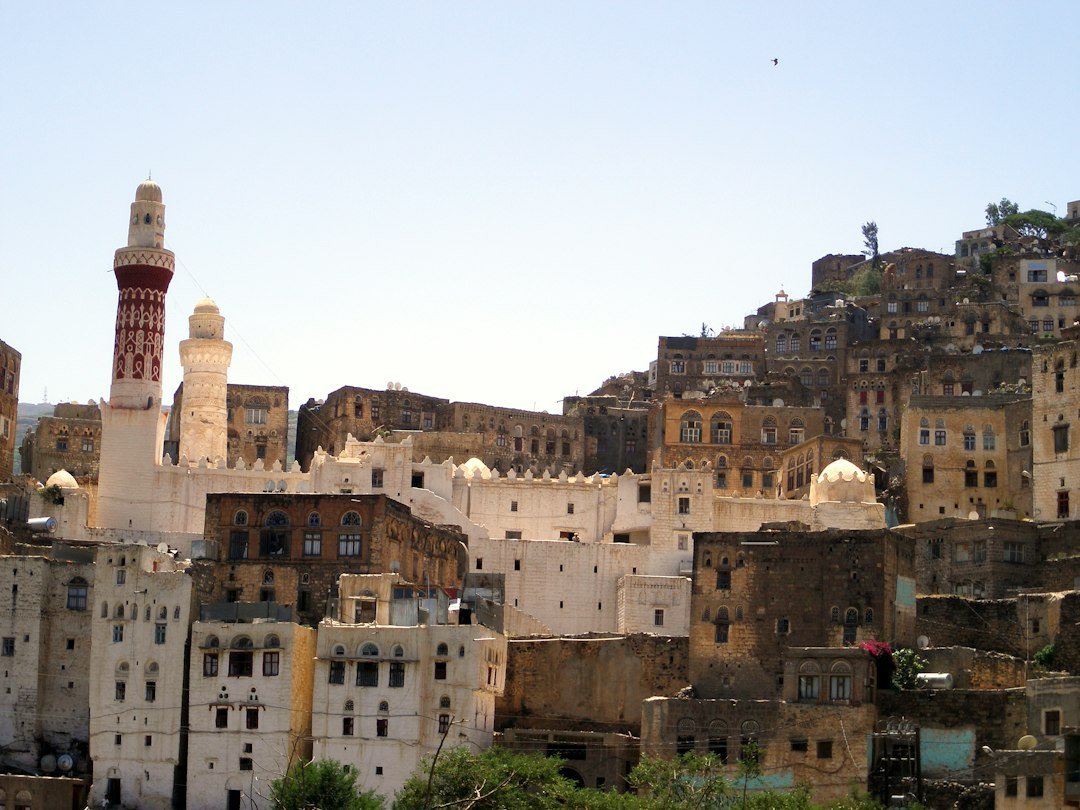
Fighting between Houthi forces and Yemeni government-aligned forces around the city of Taiz has escalated into a siege that is cutting off food and fuel access for roughly 800,000 people, the World Food Programme said this month. The agency has warned the situation risks becoming a “humanitarian catastrophe” in a city that has endured years of blockade since Yemen’s civil war began. The warning marks a sharp deterioration in a city aid agencies had already flagged as one of the country’s most precarious.
Taiz, Yemen’s third-largest city, has sat on the front line of the conflict for years, with supply routes in and out repeatedly cut or restricted by the fighting parties. The latest escalation has tightened that blockade further, restricting the movement of food, fuel and medical supplies into areas where hundreds of thousands of residents depend on regular humanitarian deliveries simply to eat. The WFP says the renewed fighting has made several of the usual delivery routes impassable.
The Taiz siege compounds a crisis The Fourth Plate documented in its October report, Yemen hunger crisis hits record high, which detailed how the war had pushed nationwide hunger to its worst levels on record. The new blockade around Taiz adds an acute, localised emergency on top of that chronic national crisis, concentrating severe risk on a single city’s population within weeks rather than over years.

WFP convoys race against time
The World Food Programme has sent convoys into Taiz in an attempt to avert the crisis, pushing supplies through what access remains before conditions deteriorate further. Humanitarian officials have described the operation as a race against both the security situation and the physical cutoff of roads into the city. Fuel shortages compound the food access problem, since fuel shortfalls affect everything from water pumping to transporting aid within the city once it arrives.
Each convoy into Taiz requires negotiating access with whichever armed group controls the relevant stretch of road that day, a process that has repeatedly slowed deliveries even when supplies are ready to move. Aid workers say that volatility makes it difficult to guarantee regular deliveries to the same neighbourhoods week to week, forcing humanitarian agencies to adjust routes and schedules around the shifting front line rather than following a fixed distribution plan.
A localised emergency inside a wider crisis
Yemen does not appear in global comparative hunger rankings the way India and Bangladesh feature in the Global Hunger Index’s annual country rankings, because active conflict makes the kind of nationwide data collection those indices rely on difficult to carry out. That gap matters: a siege like the one now underway in Taiz can push tens of thousands of people into acute food insecurity within weeks, a shift that annual composite indices are not designed to capture in real time.
Aid officials say the speed of the Taiz siege’s impact is what distinguishes it from Yemen’s broader, slower-moving hunger crisis. Programmes built around annual or seasonal aid cycles are poorly suited to a blockade that can close roads within days. The WFP’s convoy effort instead tries to respond on the same timescale as the military escalation itself, rather than through the longer planning cycles typical of humanitarian response in the country.
The Taiz siege has drawn renewed attention from international donors already stretched thin by competing emergencies elsewhere. Humanitarian officials working on Yemen say funding for the broader national response has lagged behind need for much of 2026, and an acute emergency in a single city risks diverting resources from other parts of the country without necessarily attracting new money. How donors respond to the WFP’s warning in the coming weeks will determine whether the convoy effort now underway in Taiz can be sustained at the scale the agency says is needed.



