
Bannuram Baid, an artisan from Barkai village in Chhattisgarh’s Kondagaon district, has won the Shilp Guru Award 2025 for his work preserving Dhokra, the region’s traditional lost-wax bell-metal casting craft, according to UNI, which reported the award on 15 October 2026. Baid was among six master craftspeople selected nationally by the Ministry of Textiles’ Central-Level Selection Committee, which met on 18 July 2026 to choose this year’s recipients.
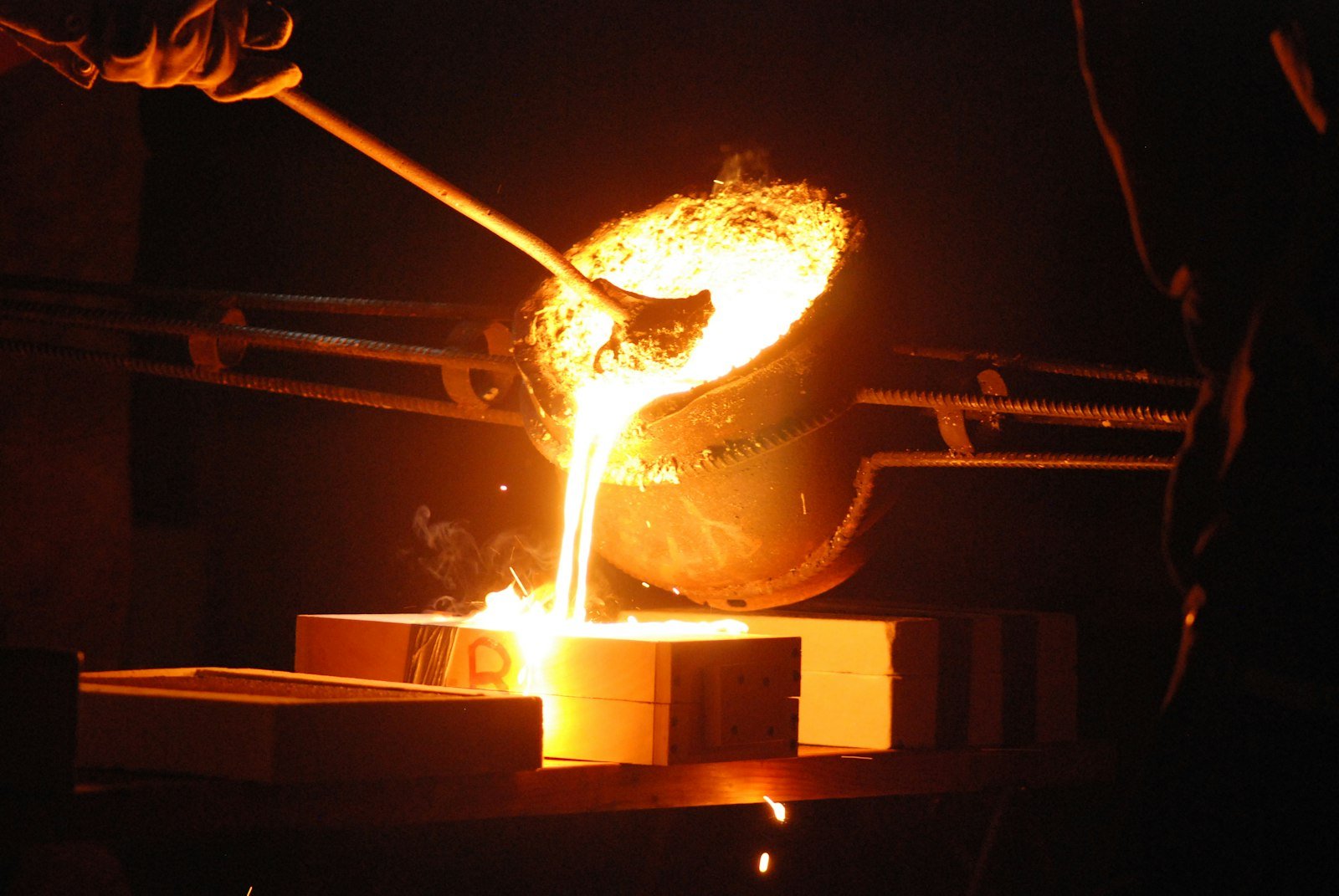
Dhokra casting uses a lost-wax technique passed down through generations in Bastar, a tribal-majority region of Chhattisgarh known for bronze figurines, ritual objects and decorative pieces cast using methods that predate modern metalworking tools. Artisans build a clay core, cover it in wax shaped into the final design, then encase the wax in more clay before firing, which melts out the wax and leaves a mould that molten bronze or brass fills to form the finished piece.
The Shilp Guru Award, India’s highest handicrafts honour, is reserved for artisans judged to have made a sustained contribution to preserving a traditional craft, and Baid’s selection recognises his role in keeping Dhokra techniques alive in Barkai village specifically, rather than a single standout piece of work.

A craft tied to a specific place
Dhokra metalwork is strongly associated with Bastar’s tribal communities, where the technique has historically served both ritual and practical purposes, producing figurines, lamps and ornaments used in local customs as well as sold commercially. Unlike mass-produced metal casting, each Dhokra piece is unique because the wax mould is destroyed in the firing process, meaning no two finished items are identical even when made from similar designs.
Kondagaon district, where Baid is based, has become one of the better-known centres for Dhokra craft production in Chhattisgarh, supporting a number of artisan families who rely on the technique for income alongside its cultural significance. National recognition for an individual artisan from the district draws attention to a craft that has historically had limited visibility outside specialist handicraft markets and tribal-art collectors.
What the recognition signals
UNI’s report did not detail the specific selection criteria the Central-Level Selection Committee applied beyond identifying six master craftspeople nationally, nor did it specify how long Baid has practised Dhokra casting. Shilp Guru recipients typically have decades of experience and a demonstrated role in training others, suggesting Baid’s selection reflects both individual skill and a broader contribution to sustaining the craft within his community.
For Chhattisgarh’s tribal craft economy, recognition at this level can help attract buyers, exhibition opportunities and government support for training programmes aimed at passing Dhokra techniques to younger artisans, addressing a common concern across India’s traditional handicrafts sector: that specialised skills risk disappearing as younger generations pursue other work. Baid’s award offers at least a symbolic counterweight to that trend, placing a Bastar village artisan among the country’s most recognised craftspeople for 2025.



