
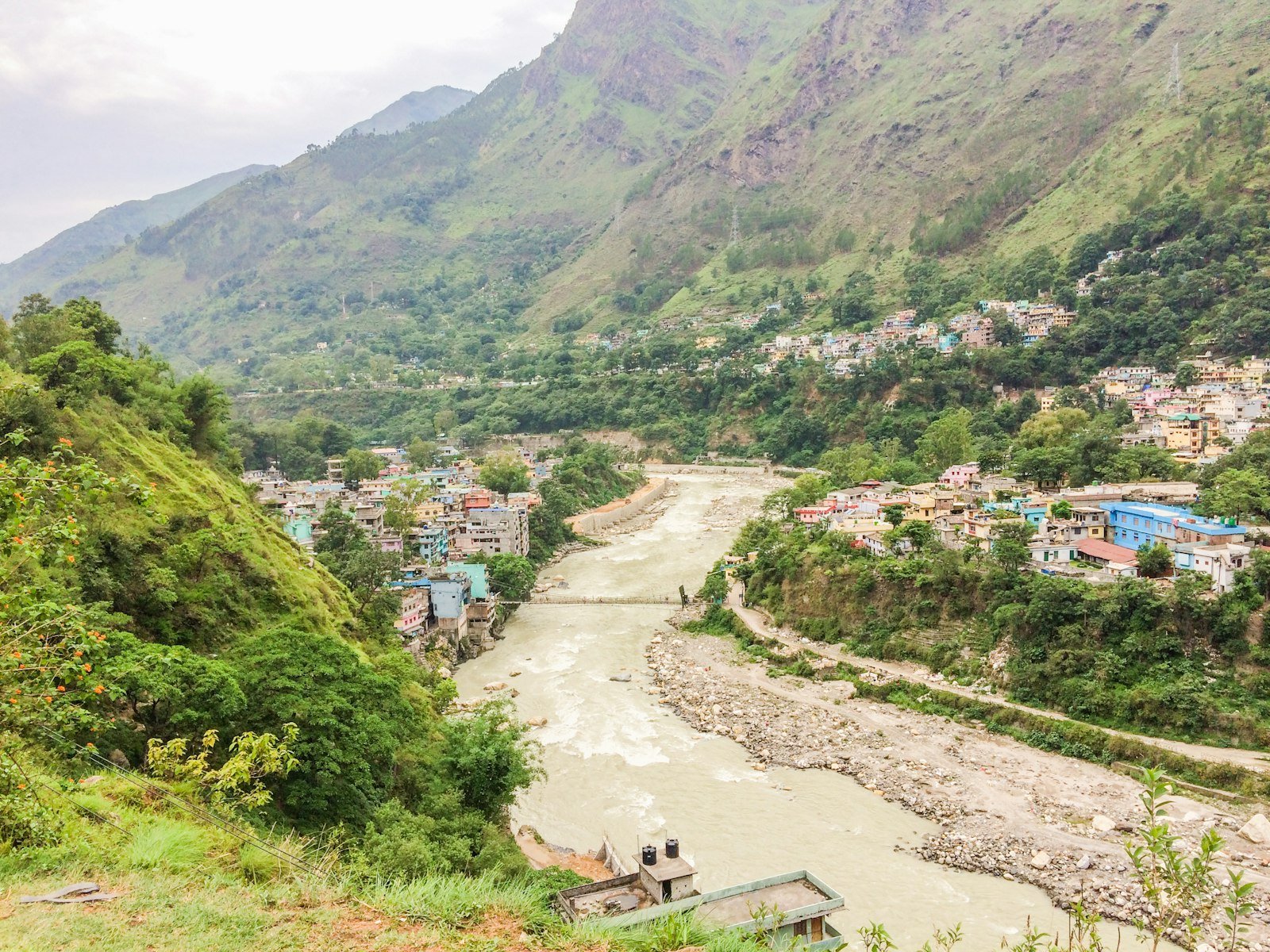
The board of the UN’s Fund for Responding to Loss and Damage (FRLD) is voting today, 22 October 2026, on a motion to provisionally set aside $20 million for Nepal, in what would be the fund’s first allocation tied to a single disaster since it became operational in 2023. The vote, reported by Climate Home News, follows an extraordinary board meeting called after Nepal’s government appealed for urgent funds in the weeks after a glacial rock and ice collapse sent a torrent of water and debris through the country and into Chinese-administered Tibet on 26 August 2026.
The World Bank has separately estimated the flood’s damage and reconstruction cost at $1.66 billion, a figure The Fourth Plate reported in October. The flood killed more than 1,400 people, left thousands missing, and destroyed homes, bridges, roads and hydropower plants across the affected region, according to Climate Home News.
Board members from both developed and developing countries drafted today’s motion jointly, which Climate Home News said made its passage likely. If approved, Nepal’s government would then submit a formal proposal on how to use the $20 million, with final approval to follow at a later regular board meeting rather than today’s vote alone.

A small sum against a large need
Nepali officials have called the $20 million “symbolic” set against the World Bank’s $4.8 billion recovery and reconstruction estimate, according to Climate Home News. UN Secretary-General Antonio Guterres has separately described the fund’s total resources as “ridiculously small”. The FRLD, agreed at COP27 in 2022 months after catastrophic floods in Pakistan and made operational at COP28 in 2023, launched its only call for proposals at COP30 in Belem in November 2025. It is now considering 180 projects worth roughly $2.8 billion in total requests, against just $350 million available to allocate, most of it earmarked for projects aimed at preventing future climate damage rather than responding to disasters that have already happened.
Today’s motion would make Nepal’s case a pilot for a faster, disaster-specific funding route sitting outside the fund’s usual multi-year project cycle, allowing governments to seek money quickly after a disaster rather than waiting for the next scheduled funding round. Climate campaign group Fill the Fund called the draft motion “a real step forward” and “the first time this Fund has moved to respond to a specific disaster”, while also criticising the 45 days it took board co-chairs to organise today’s meeting after developing-country members first requested it.
What happens next
If the board approves the $20 million allocation, Nepal’s government will need to submit a detailed spending proposal before any money reaches disaster-affected communities, a process that could take weeks or months depending on how quickly the proposal clears a subsequent board review. Fill the Fund has called for a permanent rapid-response mechanism so future disasters do not require an extraordinary meeting and a 45-day delay before funds can even be discussed.
For Nepal, today’s vote matters less for its size than for what it tests: whether the world’s primary disaster-finance fund for vulnerable countries can move fast enough to matter in the aftermath of a catastrophic event, rather than only funding prevention years in advance.



