
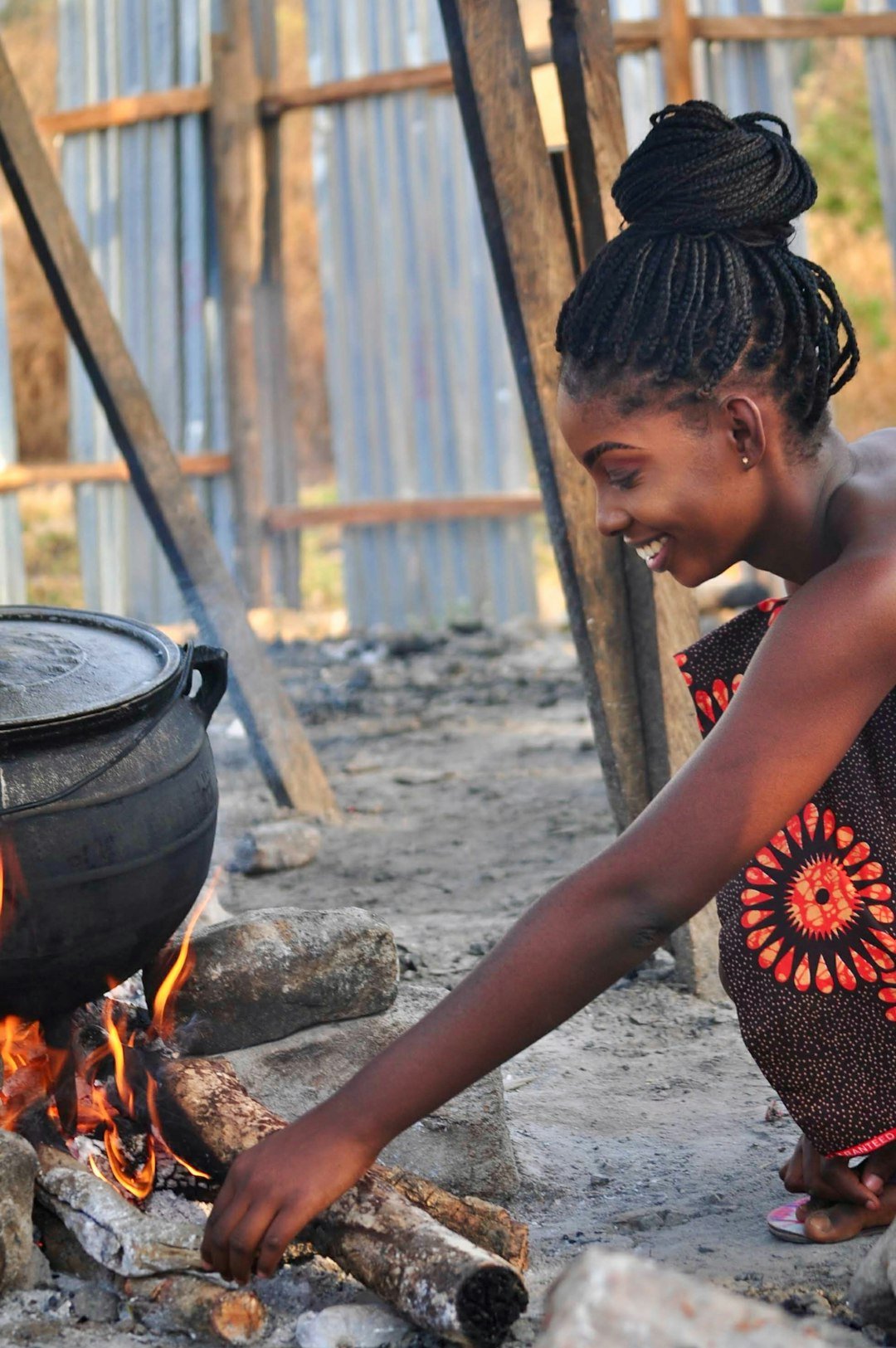
A group of rural women in Zimbabwe’s Matobo district is leading an initiative to document and revive disappearing indigenous dishes before the knowledge behind them disappears with the generation that still remembers how to cook them.
The project, hosted at the Amagugu International Heritage Centre and funded through the British Council Zimbabwe’s Catalyst Grant programme, uses videography and visual art to record recipes, preparation methods and the stories attached to them. It forms part of the British Council’s Creative Economy Week 2026 and brings together elders, researchers, culinary practitioners, photographers and cultural institutions around a single goal: capturing dishes before they vanish from household kitchens entirely.
Allington Ndlovu, the heritage centre’s programmes manager, said the urgency behind the project comes from watching dishes disappear within a single generation as urbanisation, migration and changing food systems reshape what rural households cook day to day. “Food, beyond nutrition, is art and a form of cultural expression,” Ndlovu said, arguing that the dishes carry historical and social meaning well beyond their ingredients. He described some of the documented recipes as playing “a pivotal role in our de-colonial approaches,” framing the work as a deliberate act of reclaiming culinary knowledge sidelined during the colonial period in favour of imported foodways.

Two partner organisations, African Food Revolution and the production outfit Magriza Made Me Cook, are working alongside the centre to turn the documentation into a public-facing programme rather than an archive that sits unseen. The project’s public event includes a photographic exhibition, a documentary screening, a panel discussion, and a tour of food stalls where visitors can taste and buy dishes that organisers describe as revived rather than simply preserved on record.
Economic opportunity alongside heritage
Beyond the cultural record, the initiative is explicitly designed to create income for the rural women leading it, positioning traditional cuisine as part of Zimbabwe’s creative economy rather than treating heritage preservation and economic opportunity as separate goals. Ndlovu said the food-stall element of the programme “directly supports the women and culinary practitioners leading the revival,” giving them a direct commercial outlet for dishes that might otherwise remain known only within individual families or villages.
The project also links food heritage to food security, arguing that many of the traditional crops and preparation methods being documented are more climate-resilient than the ingredients that have displaced them in everyday cooking, a case increasingly made by food-heritage researchers across the region as erratic rainfall makes some imported staple crops less reliable than the indigenous grains and vegetables they replaced.
Reconnecting audiences with their own food
Ndlovu said the broader aim is cultural as much as culinary, encouraging audiences “to reconnect with their indigenous food” at a moment when convenience foods and imported staples dominate urban diets across southern Africa. The Matobo project is one of a growing number of similar efforts across the continent attempting to document culinary heritage before it is lost, work that researchers increasingly argue has practical as well as sentimental value, since traditional crop varieties and preparation techniques often hold answers to nutrition and climate-resilience questions that modern food systems have yet to solve.
Organisers say the documentary and exhibition produced through the project are intended to travel beyond Matobo once the Creative Economy Week programme concludes, giving other heritage centres and cultural institutions in Zimbabwe a template for running similar documentation drives in their own districts. Amagugu’s role as host reflects its wider focus on Matobo’s cultural landscape, a region known internationally for its granite hills and rock art. Extending that seriousness to everyday food knowledge, organisers say, matches what the centre has argued for years: that a community’s heritage includes what it eats and how it learned to grow and prepare it, not only the monuments left behind by earlier centuries. The project shares its underlying impulse with a different kind of recognition that landed the same week, when Ghanaian-American poet Afia Ansong won the continent’s top prize for a debut poetry collection, another case of African cultural work earning wider notice on its own terms.


