
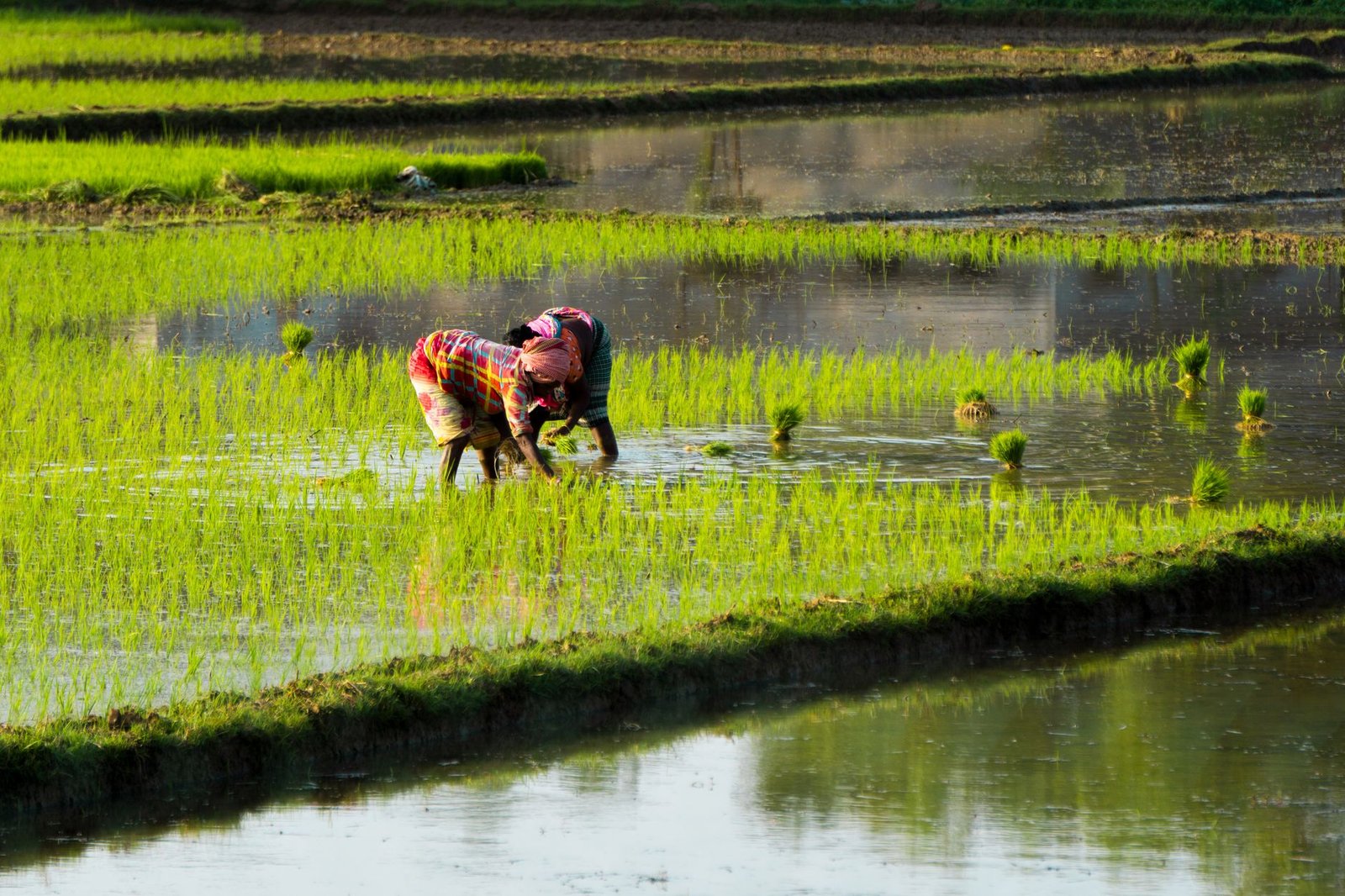
Haryana had procured 11.90 lakh tonnes of paddy by 12 October 2026, out of 18.06 lakh tonnes that had arrived at state grain markets. The state had paid Rs 758 crore (about $91 million) to 48,152 farmers, the state's food and supplies minister, Rajesh Nagar, said after a review of the procurement drive.
The state is working toward procuring 58 lakh tonnes of paddy this season. Earlier figures from state broadcaster Prasar Bharati had reported 7.35 lakh tonnes arrived and 2.57 lakh tonnes procured as of 5 October. Haryana must also deliver 32.50 lakh tonnes of custom-milled rice to the Food Corporation of India under the scheme, with a 10% broken-grain allowance built into that target.
Nagar said officials had been told to speed up grain lifting from mandis, ensure timely payments and protect stocks from rain and moisture during the procurement window. "Farmers must not face any difficulty in selling their produce," he said. He directed district-level officers to report progress daily for the remainder of the season, rather than at the weekly intervals that had been used in previous procurement seasons.

Procurement season still ramping up
Haryana's paddy arrivals are concentrated in districts including Kurukshetra, Karnal, Kaithal, Fatehabad and Ambala, where irrigated rice cultivation dominates the kharif season. The state government has introduced an online gate-pass system for crop sales at mandis. It is intended to reduce delays and disputes over weighment as the volume of arrivals increases through October and into November. Officials say the gate-pass system should also make it easier to track how quickly procured grain is actually lifted from market yards. That is a separate problem from procurement itself, and one that has periodically left paddy exposed to rain while awaiting transport.
Timely payment has been a recurring pressure point in India's minimum support price procurement system. Delays between delivery and payment can leave farmers short of cash just as they need funds for the next season's inputs. Haryana's figures suggest payments are keeping pace with arrivals so far this season, though the state is still well short of its 58 lakh tonne target with weeks of procurement still ahead. The gap between arrivals and completed procurement, at roughly two-thirds as of mid-October, reflects the usual lag between grain reaching a mandi and officials completing quality checks and payment processing.
A bellwether for the wider harvest
The push comes as rice remains central to India's food security architecture, feeding both domestic distribution schemes and a significant share of the country's export trade. Procurement figures from Haryana and neighbouring Punjab are watched closely each season as an early indicator of how the broader kharif harvest is tracking against government expectations. That scrutiny is sharper this year after a weak monsoon affected rice-growing regions elsewhere in the country. A strong procurement performance in the northern grain belt can offset shortfalls reported in states where rainfall was less favourable, officials and trade analysts say.
Haryana's food department has not said when it expects arrivals to peak, though officials said the current pace of lifting and payment would continue to be monitored through video conference reviews as the season progresses. Farmers' groups in the state have generally welcomed the faster payment cycle this year, even as they continue to press for the online gate-pass system to be extended to cover private trading alongside government procurement.



