
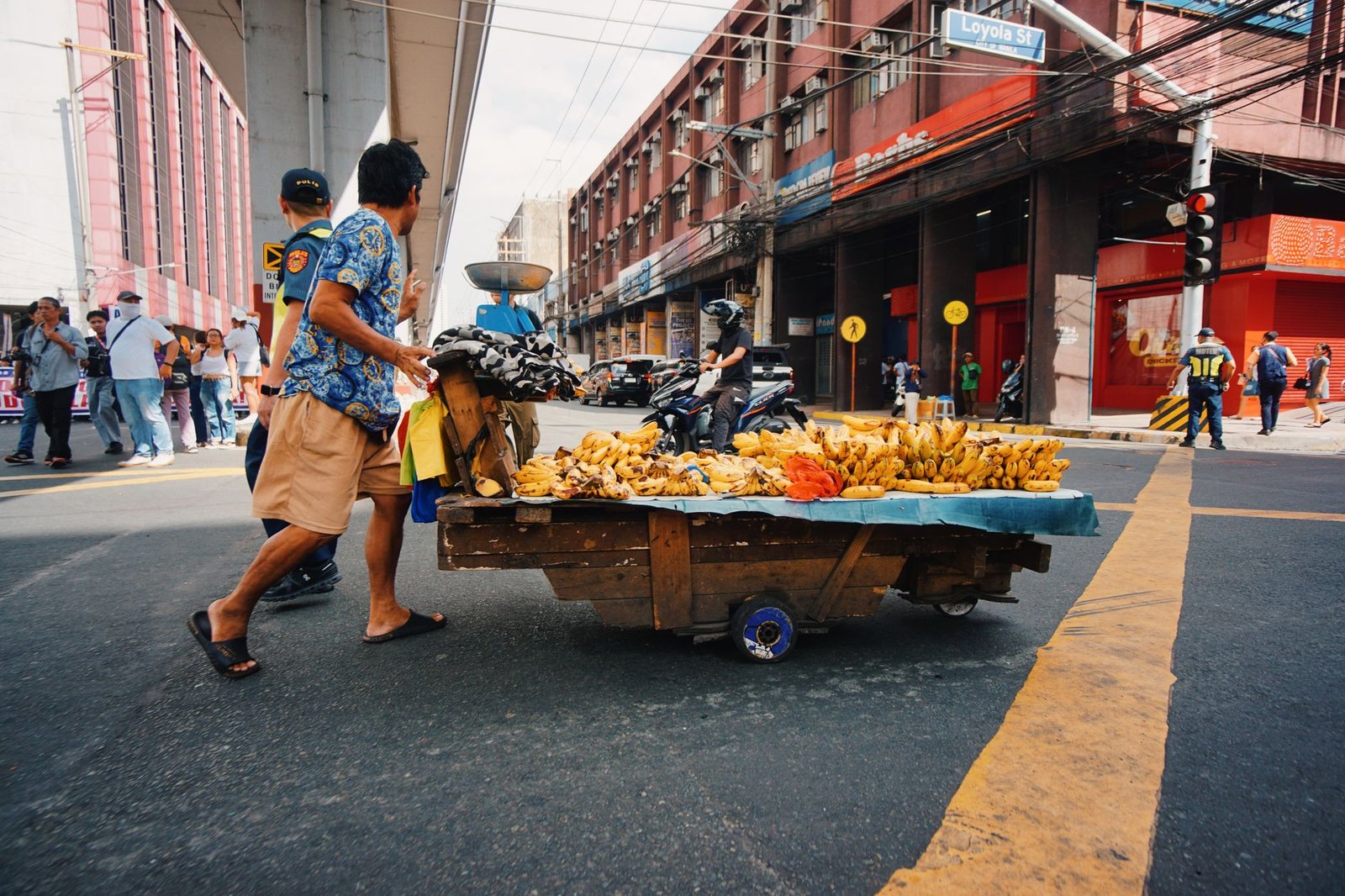
Philippine agricultural exports fell 26.1% year on year to $554.7 million in August 2026, according to the Philippine Statistics Authority. Banana shipments bucked the wider decline. The drop pushed the country's two-way farm trade to its lowest level since July 2024.
Banana export value rose about 7% to roughly $147 million in August. Shipped volume fell 1.5% to 2.5 million tonnes over the same period, PSA figures show. The gain in value despite lower volume points to firmer prices for Philippine bananas in key markets such as Japan, South Korea and the Middle East, even as the broader farm trade account weakens.
The overall farm trade deficit widened to $1.11 billion as imports continued to outpace exports, according to data reported by Philippine news outlets citing the PSA. The figures mark a continuation of a decline that has persisted through much of 2026, after a brief narrowing of the trade gap earlier in the year. Rice and other staple food imports remain a significant driver of that deficit, even as the country's farm export earners struggle against a mix of weak global demand and rising input costs.

Banana sector resists wider slump
Bananas remain one of the Philippines' most reliable export earners. Large-scale plantations in Mindanao underpin supply contracts with buyers across East Asia and the Gulf. The sector's resilience this year contrasts with weaker performance in other farm exports, including lower shipments of processed food products and some fresh produce lines. Those lines have struggled against rising production costs and currency pressures. Coconut products, another traditional Philippine export earner, have also faced a tighter supply picture this year, adding to the pressure on the overall farm trade account even as individual commodities post gains.
Philippine exporters have also faced logistics strain this year, including container shortages and freight delays affecting shipments to longer-haul markets. Industry figures have previously flagged climate-linked disruptions, including typhoon damage to farmland, as a drag on broader agricultural output even where individual export crops perform well. The archipelago's exposure to an active typhoon season has repeatedly complicated harvest timing and port logistics in the export-oriented farm belt.
Diversification targets fall short
The government has set targets to narrow the farm trade deficit through diversification into higher-value processed goods. August's data suggest the gap is moving in the opposite direction for now. Analysts tracking the sector say banana growers' ability to hold value despite falling volumes reflects strong demand from Northeast Asian buyers. Those buyers have continued to pay a premium for Philippine fruit even as regional competitors in Ecuador and Central America expand supply.
Philippine trade officials have pointed to rice imports as one of the structural reasons the farm trade account stays in deficit even when individual export crops perform well. Rice imports remain substantial despite years of effort to boost domestic production.
With the August figures confirming months of overall export weakness, trade officials face pressure to explain how the Philippines plans to close a trade gap that bananas alone cannot offset. That pressure is sharper because neighbouring exporters are competing for the same Northeast Asian and Gulf buyers that have so far kept Philippine banana prices firm. Lawmakers have in recent months pressed the agriculture department for a clearer timeline on the diversification targets, arguing that repeated misses have left the strategy looking more aspirational than operational.



