
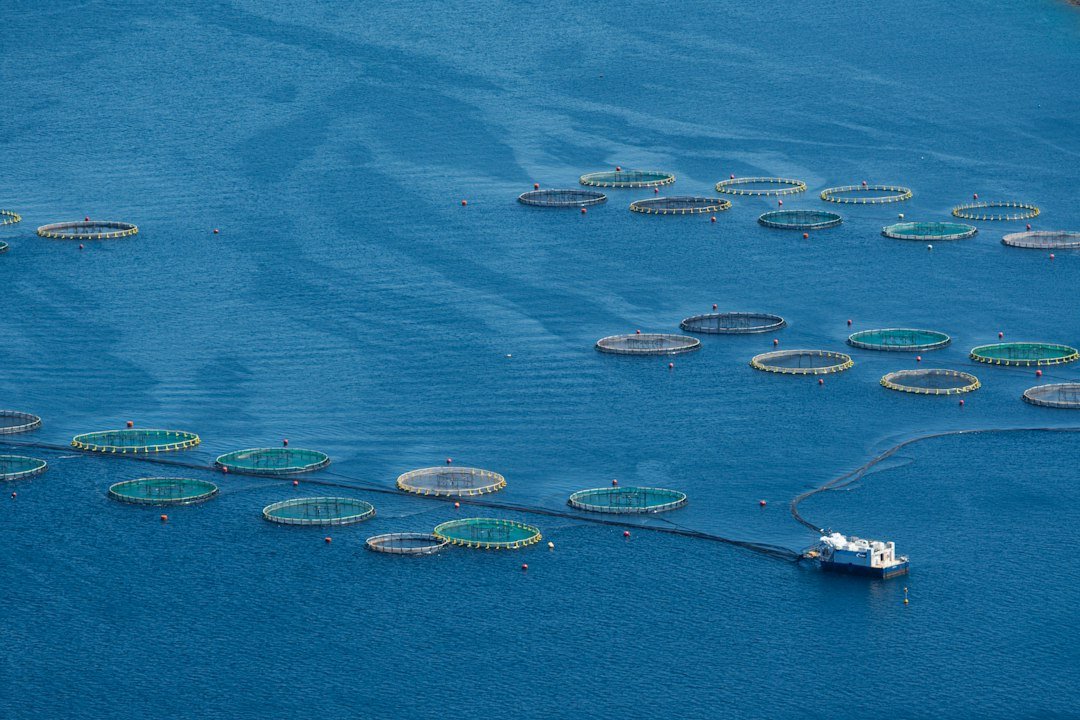
The ICAR-Central Marine Fisheries Research Institute has supplied one million green mussel seeds to Maharashtra, the first large transfer of hatchery-raised mussel seed from Kerala to India’s west coast fisheries sector. The seeds went to coastal farmers in Maharashtra’s Ratnagiri and Sindhudurg districts, where mussel farming remains a marginal activity compared with Kerala’s established raft and rope culture systems.
Scientists from the Kochi-based institute, a unit of the Indian Council of Agricultural Research, also trained Maharashtra fisheries officials in hatchery technique and farm management over several days, according to CMFRI’s own account of the transfer. The institute has spent years refining captive breeding of the green mussel, Perna viridis, reducing farmers’ reliance on wild seed collection, which fluctuates with monsoon patterns and coastal development.
Why Kerala is the source
Kerala’s mussel farmers, concentrated around Kozhikode and the Vembanad backwaters, built India’s first commercial mussel culture industry using seed gathered from natural beds along the coast. Wild seed supply has grown less reliable over the past decade, pushing CMFRI to scale up hatchery production that can now travel across state lines. The institute has previously supplied smaller consignments to Karnataka and Goa; the Maharashtra shipment is its largest single transfer to date.

Green mussel farming requires relatively low capital compared with fin-fish aquaculture, since the molluscs feed by filtering plankton from seawater rather than needing formulated feed. A hectare of rope culture can produce several tonnes of mussels in under a year, giving coastal households a faster return than most other aquaculture options, and requiring far less daily labour than tending fish cages or shrimp ponds.
For Maharashtra, the transfer fits a wider push by its fisheries department to diversify a coastline historically focused on marine capture fishing, which has faced declining catches from overfishing and changing currents in the Arabian Sea. Mussel and oyster culture offer an alternative livelihood for fishing families as wild catch economics weaken, particularly for women in fishing households who have traditionally handled post-harvest processing rather than the capture side of the trade.
CMFRI’s coastal aquaculture programme has similarly supported edible oyster seed production, and officials from the institute say they expect mussel culture to spread to additional Konkan coast districts if the Ratnagiri and Sindhudurg pilots succeed. Farmers taking up the seed will need rafts, ropes and spat collectors, infrastructure Maharashtra’s fisheries department is helping to finance for early adopters through existing state aquaculture subsidy schemes.
A model other states are watching
The transfer also reflects a broader pattern in Indian aquaculture extension, where southern research institutes increasingly export seed technology northward rather than Maharashtra and Gujarat building parallel hatchery capacity from scratch. CMFRI has similar seed-sharing arrangements for shrimp and finfish with several coastal states, and its scientists say the mussel programme could follow the same trajectory that turned Andhra Pradesh into a major shrimp-farming hub within a generation, once reliable hatchery seed removed farmers’ dependence on unpredictable wild stock.
Whether the shipment translates into a durable mussel industry in Maharashtra will depend on market access: Kerala’s mussel farmers sell largely into local and south Indian markets, and Maharashtra’s coastal households will need buyers willing to pay a premium over wild-caught shellfish. CMFRI has not said whether a formal marketing tie-up accompanies the seed transfer, though officials have indicated that a follow-up consignment is being planned for early next year if the current pilot shows strong survival rates.
Elsewhere in India, a very different coastal-to-highland food story is playing out, as Meghalaya’s tribal kitchens tour Indian cities to build markets for indigenous cuisine.



