
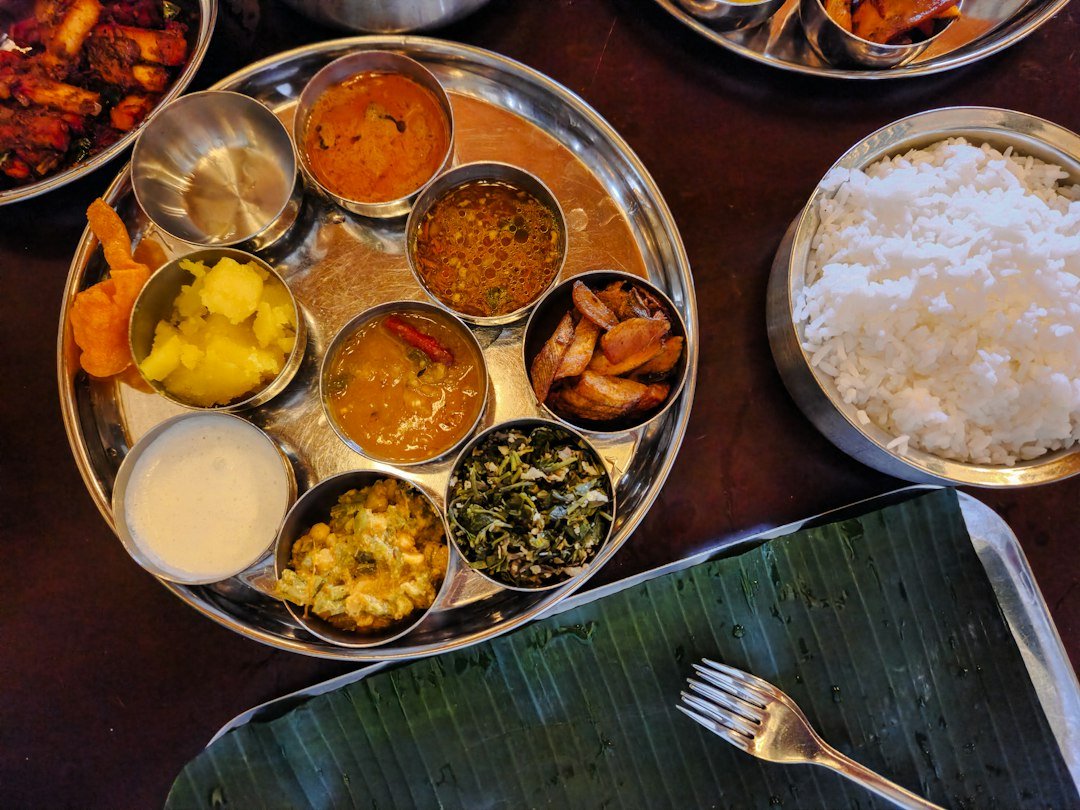
Meghalaya has launched a culinary roadshow of 14 food events running from October 2026 to February 2027, carrying indigenous cuisine from the state’s Khasi, Garo and Jaintia communities to audiences in major Indian cities. The series, organised by Meghalaya Tourism and the state-run Meghalayan Age Limited in collaboration with the Seeti Movement, opened on 22 October with an event called Tribal Expressions at a hotel in Bengaluru.
The tour will move through Delhi-NCR, Mumbai, Bengaluru, Kolkata, Goa and Hyderabad over its four-month run, built around the premise that Meghalaya’s food traditions remain largely unfamiliar to audiences elsewhere in India despite the state’s established profile as a tourist destination for its landscapes and living root bridges. The campaign was developed with creative input from the media platform The Big Forkers, aiming to present tribal cuisine as a distinct culinary identity rather than folding it into broader north-eastern Indian food, a category that can obscure meaningful differences between Meghalaya’s three main indigenous groups and their separate culinary traditions.
Food as a tourism strategy
Khasi, Garo and Jaintia cuisines each draw on distinct ingredients and techniques shaped by Meghalaya’s hill terrain, including fermented and smoked preparations, pork and fish-based dishes, and foraged greens and bamboo shoots not typically found in mainstream Indian restaurant menus. Meghalaya’s state tourism department has increasingly framed food as a tourism and economic development tool in its own right, separate from the natural attractions that have driven most visitor growth to date, betting that culinary curiosity can draw a different kind of traveller or at minimum build brand recognition for the state’s food producers in distant urban markets they rarely reach directly.

The roadshow format, built around ticketed dinner events in hotels and curated venues rather than public festivals, targets urban consumers in India’s wealthier metropolitan markets, where demand for distinctive regional and so-called slow food experiences has grown alongside broader interest in provenance and food heritage. Organisers have not disclosed a budget for the campaign or specified which Meghalaya producers and chefs are participating city by city, though the state-run Meghalayan Age Limited, which handles marketing for several of the state’s indigenous products, is coordinating logistics across all six host cities.
Part of a wider north-east push
The initiative mirrors a broader pattern across Asia of indigenous communities taking food and festival traditions out of their home regions to build wider recognition, seen this month as well in the Philippines, where Cordillera highland communities brought their own festival traditions to a wider domestic audience in Baguio.
Meghalaya’s push also follows years of effort by India’s north-eastern states collectively to raise their profile in national tourism marketing, an effort that has increasingly emphasised food alongside landscape and handicrafts as a way to differentiate individual states within a region often marketed to outside visitors as a single undifferentiated block despite sharp differences in language, cuisine and custom between states. Whether the roadshow translates into durable demand for Meghalaya’s food products in the cities it visits will depend on follow-through beyond the initial events, including whether restaurants or retailers in those markets pick up ingredients or dishes showcased during the tour rather than treating it as a one-off cultural curiosity.
Organisers say later stops on the tour will feature tasting menus built around specific communities rather than a generalised sampling of north-eastern dishes, with Khasi events built around smoked pork and fermented bamboo shoot preparations, and Garo-focused evenings centred on the community’s distinctive rice beer and foraged greens. The emphasis on keeping each community’s cuisine distinct, rather than blending them into a single north-eastern menu for convenience, reflects the same identity-preservation logic driving indigenous cultural tourism efforts elsewhere in Asia this year.



