
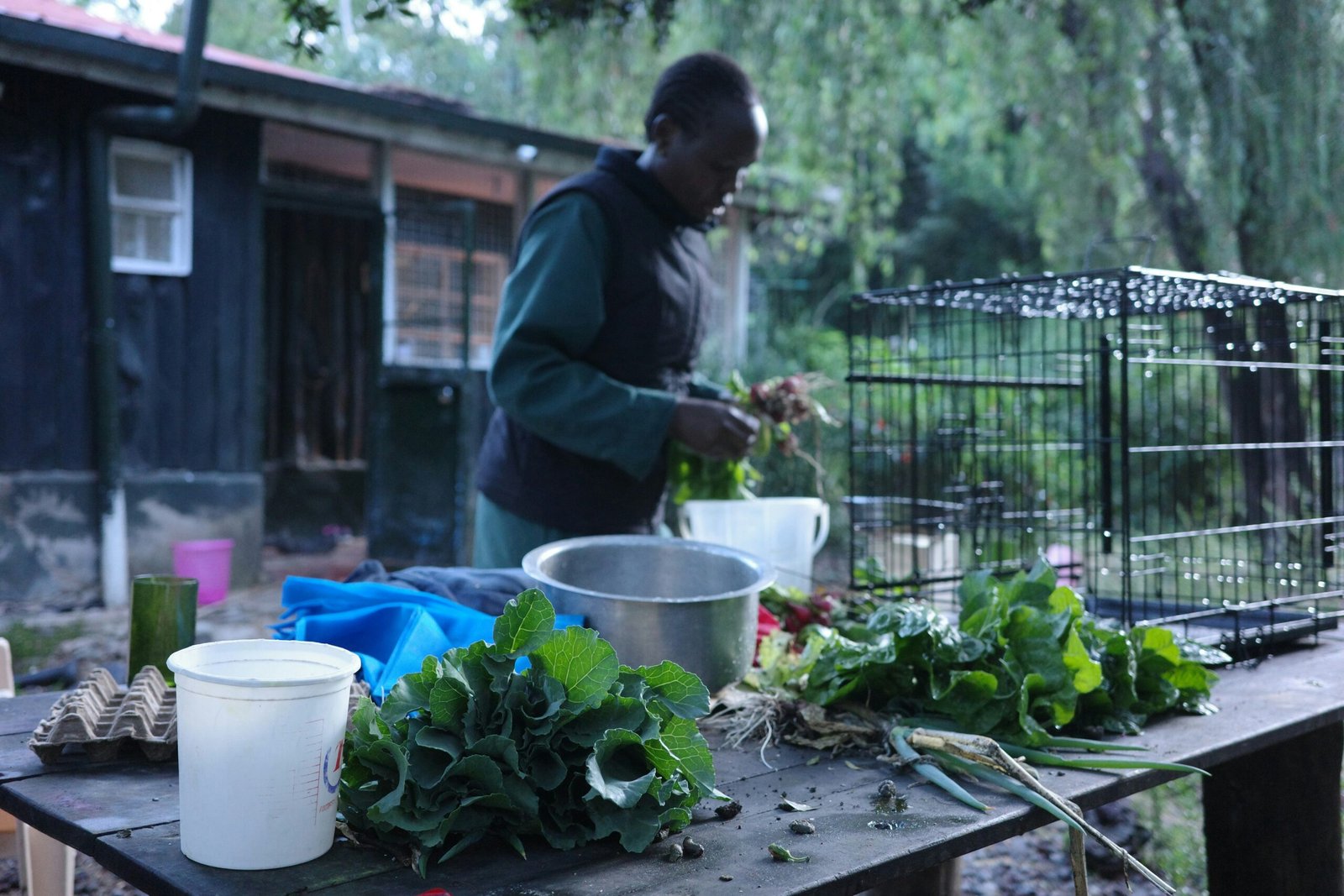
A new report from ActionAid International argues that agroecological farming methods, rather than heavier use of synthetic fertiliser, offer Kenyan smallholders the clearest path to higher profits. The report, Transforming Food Systems in Africa, found that farmers in Murang’a County using agroecological techniques saw their profits rise by 37.8% compared with those using conventional methods, a gap large enough to challenge the assumption that fertiliser-intensive farming is the more productive choice.
The study’s yield figures are striking on their own terms: amaranth yields were 45% higher under agroecological management, and kale yields were 34% higher, even without the increased input costs that typically accompany higher fertiliser use. ActionAid attributes the gains to practices such as composting, intercropping, soil-moisture retention techniques and reduced reliance on purchased chemical inputs, all of which lower a farmer’s cash costs while, the report argues, improving soil health over successive seasons.
Kenya’s smallholder farmers have faced years of rising fertiliser prices, driven in part by global supply disruptions and currency pressures, making input costs one of the largest single expenses in a typical growing season. ActionAid’s researchers say the Murang’a findings suggest that reducing dependence on those inputs, rather than simply absorbing higher costs, can be the more financially sound strategy for smallholders farming on small, often fragmented plots.

A counterpoint to fertiliser-led policy
Kenyan agricultural policy in recent years has focused heavily on subsidised fertiliser access as the primary lever for raising smallholder productivity, a position the government has defended as necessary to close yield gaps quickly. ActionAid’s report does not call for abandoning fertiliser subsidies outright but argues that agroecological methods deserve equal policy attention and funding, particularly for farmers growing vegetables and other high-value crops where soil management can matter as much as nutrient application.
The report comes amid a broader debate across East Africa over how to balance short-term productivity gains against long-term soil degradation, water use and the cost burden heavier fertiliser use places on smallholders who are often net buyers rather than net sellers of food. ActionAid is calling on the Kenyan government and international donors to fund agroecology training and farmer-to-farmer knowledge-sharing programmes at a scale comparable to existing fertiliser subsidy schemes.
From pilot plots to wider adoption
Murang’a County’s results are based on a defined set of pilot farms rather than a nationwide survey, and agricultural economists caution that returns can vary with soil type, rainfall and market access for the specific crops involved. Even so, the scale of the profit gap has drawn attention from policymakers elsewhere in the region. The findings land alongside Malawi’s own push to widen smallholder access to affordable credit, a reminder that the two levers, financing and farming method, are often treated separately but tend to matter most to a farmer’s bottom line when considered together.
Policy attention now follows the data
ActionAid says it is presenting the Murang’a findings directly to Kenyan county and national agriculture officials, hoping the profit figures, rather than appeals to environmental benefit alone, will be what shifts budget allocations. The organisation argues that agroecology has historically struggled for funding in East Africa because its benefits, better soil health, lower long-term input costs, are harder to capture in a single season’s figures than a fertiliser subsidy’s immediate yield bump. Researchers involved in the Murang’a pilot say they are now tracking a second growing season of data to see whether the profit gap holds, narrows or widens once farmers who shifted methods partway through the first season complete a full cycle under agroecological management.



