
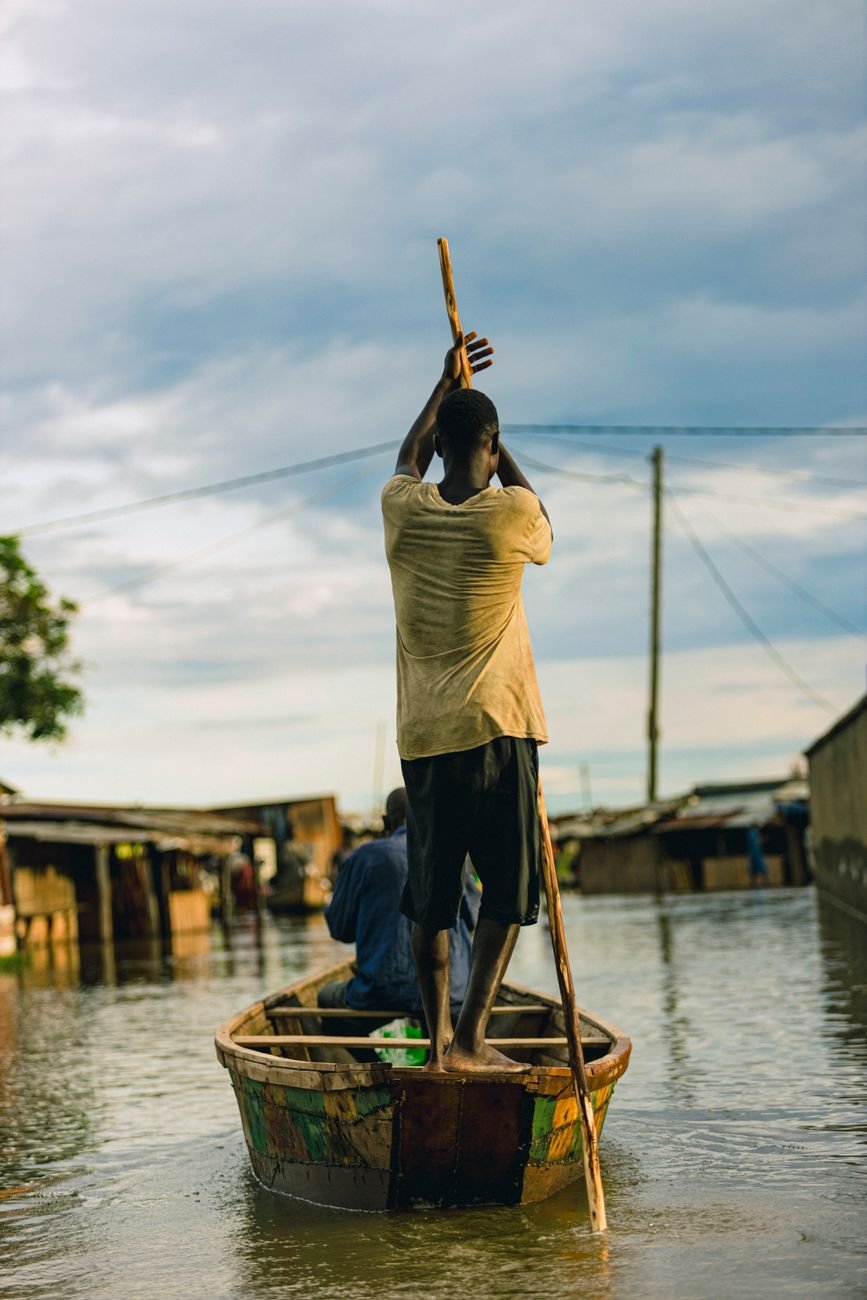
Senegal's president has announced a 921 billion CFA franc (about $1.62 billion) national flood programme. The announcement follows flooding in Dakar and other regions that killed at least three people in early October 2026. The prime minister separately ordered emergency food and housing aid for affected families.
Flooding that began in the first days of October left large parts of the capital and nearby regions under water. By mid-month, 7% of schools were still affected, according to Senegalese officials. The government has ordered an audit of the country's disaster-response strategy, due by the end of November. It has also set up a new governance committee to oversee flood planning.
Senegal's National Agency of Civil Aviation and Meteorology had forecast an intense rainy season. The scale of the damage has pushed flood resilience up the political agenda months before West Africa's next planting cycle begins. The $1.62 billion programme is intended to fund drainage upgrades, housing reinforcement and early-warning systems across flood-prone neighbourhoods. Officials say the spending will be phased over several years rather than disbursed all at once. Early tranches will be prioritised for the capital region, where the flooding caused the most visible damage and the highest concentration of displaced households.

Rural areas face slower recovery
Outside Dakar, the damage has fallen hardest on farming communities in the Niayes and Casamance regions. Standing water has delayed harvests and left some fields unusable for the rest of the season. Senegalese officials have not yet published a national damage estimate for agriculture, though local reports describe lost vegetable and rice plots in several départements. The Niayes belt supplies much of the vegetables sold in Dakar's markets, so losses there are likely to show up in food prices well beyond the flooded neighbourhoods themselves.
The flood programme follows a pattern across the Sahel this year, where unusually heavy rains have repeatedly outpaced drainage systems built for drier decades. Senegal's government says the new committee will coordinate between ministries that have previously acted separately on flood response. Officials blame that structural gap for slow aid delivery in past flood seasons. Dakar's drainage network, much of it built decades ago for a smaller and less densely built city, has struggled to cope as informal settlements have expanded onto low-lying land that floods first.
A larger, longer-term commitment
The emergency aid ordered by the prime minister covers food distribution and temporary housing for families displaced from the worst-hit neighbourhoods. Senegalese authorities have not released a figure for how many people have been displaced. The $1.62 billion commitment is also substantially larger than prior flood-response spending. That scale suggests the government now treats recurring urban flooding as a long-term infrastructure problem rather than a seasonal emergency.
Senegal's experience echoes flood-related agricultural disruption reported elsewhere in West and Central Africa this year. It underscores how the region's farm economies remain exposed to rainfall extremes even as governments invest more heavily in adaptation planning. With the November audit deadline approaching, analysts say the real test will be whether funds reach drainage and housing projects before next year's rains. In past flood seasons, announced reconstruction budgets have instead been redirected toward immediate humanitarian needs, leaving longer-term works unfinished. Civil society groups in Dakar have called for the new governance committee to publish regular progress updates, arguing that past flood-response pledges lost public trust once the immediate crisis faded from the news.



