
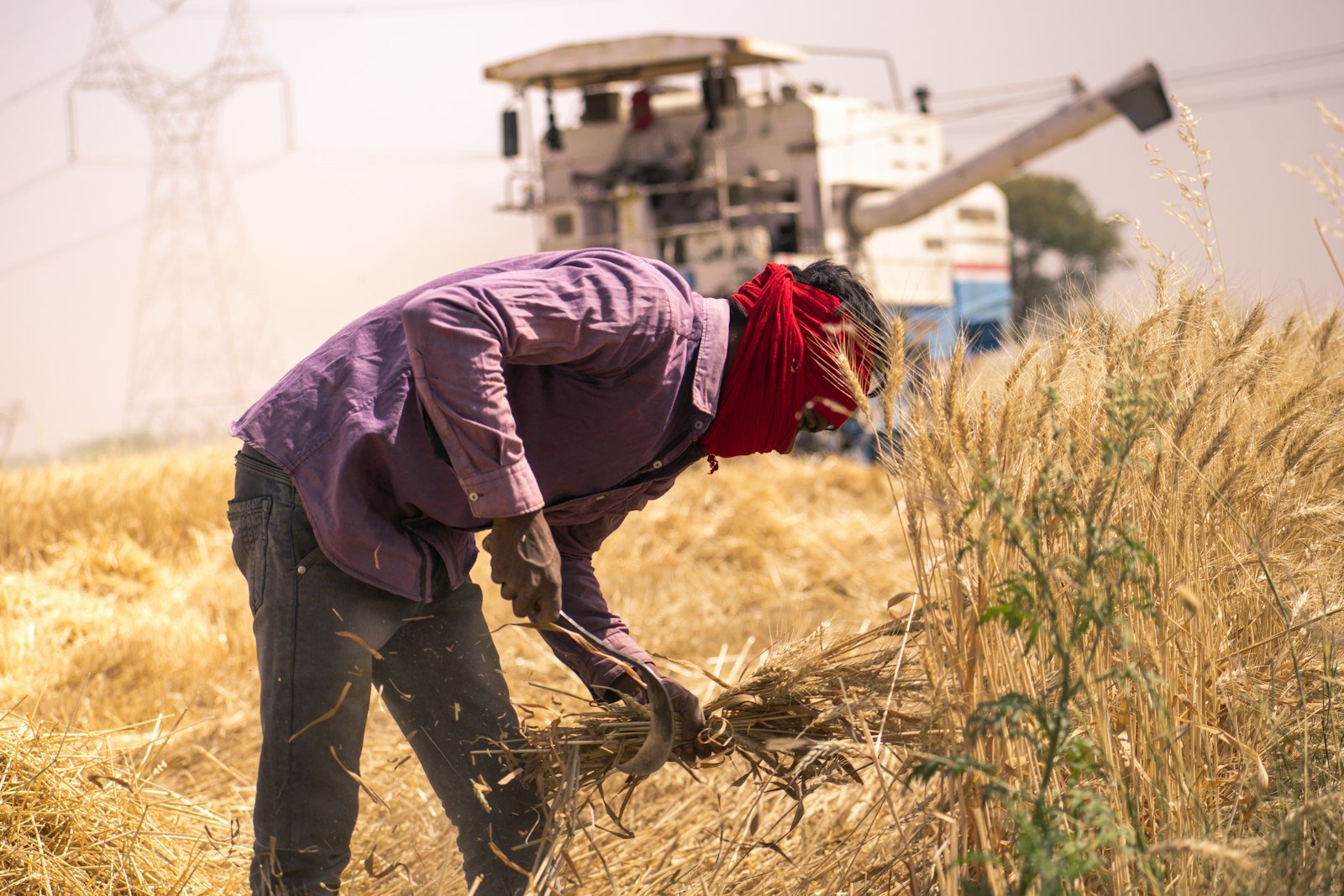
Extreme heat cost the world economy an estimated US$1.07 trillion (about £800bn) in lost potential income in 2025, according to the Lancet Countdown 2026 report published on 28 October. It is the third year in a row that heat-related income losses have topped US$1 trillion.
The report is the tenth annual edition of the Lancet Countdown on health and climate change. University College London (UCL) leads the work in collaboration with the World Health Organization (WHO). It draws on 146 researchers from more than 100 institutions in over 30 countries and tracks 54 indicators. The authors released it ahead of COP31, the 31st UN climate conference.
Its central finding concerns pace. Many health harms from climate change grew faster in 2016–2025 than in the decade before the Paris Agreement took effect. Professor Marina Romanello, executive director of the Lancet Countdown at UCL, said the harms are growing faster than the world’s response and in many cases accelerating.
Heat deaths reach a record
Heat was linked to an average of 540,800 estimated deaths a year between 2016 and 2023. The researchers attribute 68% of these to climate change. In 2023, the hottest year in the period, heat was linked to a record 710,000 deaths, more than malaria or HIV caused that year. Across 2016–2023, the report estimates that climate change was responsible for almost 3 million heat deaths.

Farm work carries the largest share
The income losses fall hardest on outdoor work in the Global South. The Lancet’s summary of the findings puts agriculture’s share of 2025 losses at 38%, the largest of any sector, with construction at 29%. South-East Asia lost the equivalent of 3.9% of its gross domestic product and Africa 3.2%, against 0.2% in Europe. In Africa, agriculture accounts for 71% of heat-related income losses.
The most recent country figures for India come from last year’s edition. It put India’s heat losses at 247 billion potential labour hours in 2024, about two-thirds of them in agriculture. That edition valued the lost income at US$194 billion (about £145bn).
Water extremes add to the pressure on farms. More than half the world’s land faced extreme drought for at least a month in 2025. A new satellite indicator shows that over 80% of land has seen long-term drying or wetting of its water storage since 2003. The authors link these shifts to risks for crops and food supplies.
Clean energy grows as fossil plans expand
The report also records gains. Clean energy investment rose 7.2% in 2025 to a record US$2.1 trillion (about £1.6tn), 82% more than went into fossil fuels. Cleaner air now prevents an estimated 323,000 deaths a year in countries where fossil fuel pollution has fallen since 2016. Fossil fuels still supply over 80% of the world’s energy, and their air pollution kills about 2.7 million people a year.
Industry production plans point the other way. The 100 largest oil and gas companies plan to produce 150% more fossil fuel by 2040 than a 1.5°C limit on warming allows, the report finds.
The authors call for climate change to be formally recognised as a global health emergency. They want WHO to create a new instrument to coordinate the global response, and want health and wellbeing written into climate policy as core measures of success.



