
Sri Lanka’s spice and essential oil exports rose 24% to $355.78m, around £267m, in the first eight months of 2026. The gain came largely from pepper and cinnamon shipments to new buyers. Those shipments helped offset weakness in the country’s traditional tea and coconut trades. The figures were reported by Sri Lanka Business Online and independently confirmed by EconomyNext.
Pepper exports climbed 49% over the eight-month period, with shipments to India alone up 56%. Cinnamon exports rose 24%, driven partly by a 68% jump in sales to Mexico. Buyers in India and Mexico were central to that shift, underscoring how far beyond its traditional markets Sri Lanka’s spice trade now reaches. The gains accelerated sharply in August, when spice and essential oil exports alone jumped 82% year on year. Pepper shipments that month more than quintupled, a pace that points to buyers shifting quickly toward Sri Lankan supply.
Tea exports slip as Middle East demand falls
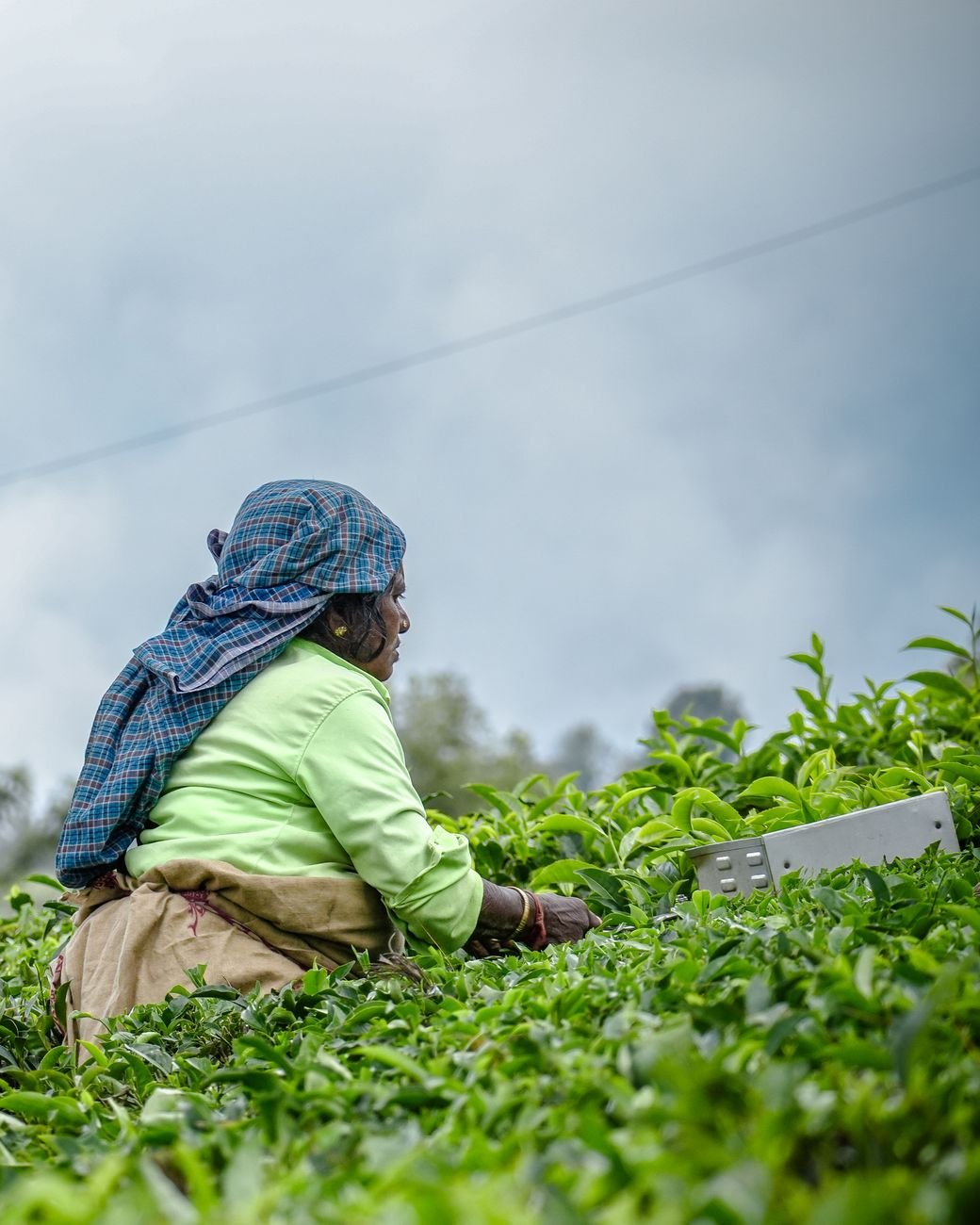
Tea told a different story this year. Exports fell 7.6% to $948.45m over January to August, with bulk tea down almost 11% and packaged tea down 6%. The Middle East drove much of the August decline, falling 41% year on year. Shipments to the United Arab Emirates alone dropped 72% in that single month. Turkiye offered a partial counterweight, with tea exports there up 136% over the eight months. Shipments to Turkiye more than doubled in August alone, though the gain was not enough to offset losses elsewhere. The slide continued into September, when EconomyNext reported tea earnings down a further 1.4% year on year to $135.11m.

Coconut-based exports showed a similarly uneven pattern through the year. Earnings rose 5.6% to $830.92m over the first eight months, lifted by a 327% jump in coconut husk chip exports. Shell-based and fibre-based products also posted solid gains over the period. August alone told a weaker story, however, with coconut exports down 17% as kernel products, coconut oil and liquid coconut milk all declined. September figures then showed a continued fall, down 8.9% year on year to $111.6m. The combination left coconut’s overall earnings positive for the eight months, despite that weaker August, a swing similar to tea’s performance over the same stretch.
Food and beverage exports post the strongest growth
Away from the headline commodities, food and beverage exports rose 20% to $462.52m over the eight-month period. Processed food led that growth, rising 34% to $214.61m. That pace made processed food one of the fastest-growing categories in the entire export data set. Seafood exports were more mixed, however, up 3.6% in August but down 2.9% for the January-to-August period as a whole.
Overall merchandise export growth accelerated into September. EconomyNext reported a 21.7% year-on-year rise that month, taking exports to $1.38bn. That took cumulative exports for the first nine months of 2026 to $10.76bn, up 5.4% on the same period last year. India has become an increasingly important market across categories. Exports there were up nearly 30% in September, to $113.22m, making it Sri Lanka’s second-largest destination. That growth cemented India’s place among Sri Lanka’s leading trading partners this year.
The United States, by contrast, fell 2.1% over the eight-month period before recovering somewhat in September. Imports from the United Kingdom slipped 3.2% in September, despite preferential access under its Developing Countries Trading Scheme. Together, the three markets show how unevenly export growth is spread across regions this year.
The figures suggest Sri Lanka’s export base is shifting away from its historic reliance on bulk tea and coconut products. In their place, higher-value spices and processed foods are taking a larger share of overall trade. That transition is still in its early stages. It gathered pace through the second half of 2026, as pepper, cinnamon and processed food all outpaced the country’s traditional commodities. Pepper’s climb and processed food’s gain illustrate how quickly that shift is taking hold across the export base.
That shift away from traditional commodities mirrors Ecuador’s own export rebalancing toward Europe and Russia this year, another sign of exporters adapting fast to changing demand.



