
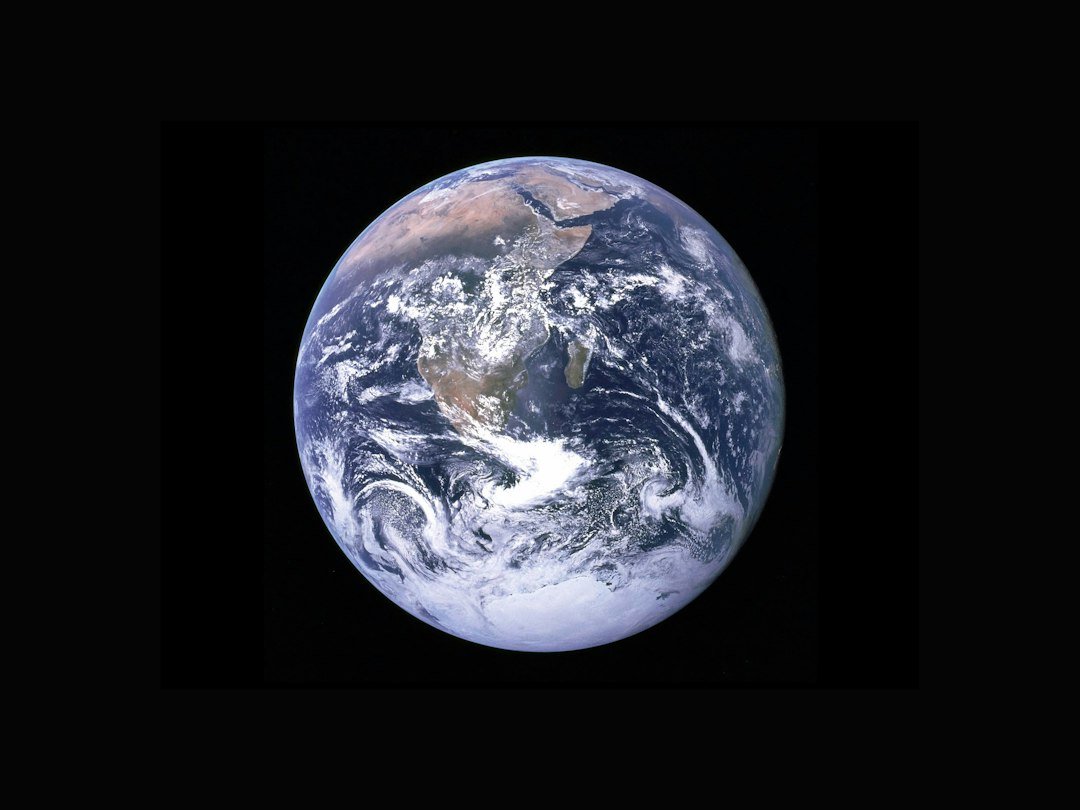
The United Nations Environment Programme has concluded for the first time that breaching the 1.5C warming limit is “imminent and unavoidable”. The finding appears in its Emissions Gap Report 2026, titled The Point of Return and published on 21 October.
The report finds that holding warming to 1.5C with no or low overshoot has “now been lost”. Under its lowest-overshoot pathway, global temperatures would still peak at roughly 1.7 to 1.8 degrees Celsius around mid-century. They would then fall back to 1.5C or below by 2100, a trajectory the report gives only even odds of achieving. Current emissions run around 80% above the level that would have been needed by 2030 to keep that lower pathway open.
The numbers behind the gap
Global greenhouse gas emissions reached an estimated 58.4 gigatonnes of carbon dioxide equivalent in 2025, broadly flat on 2024. The report’s own authors caution that the data remain provisional. Even full delivery of countries’ latest climate pledges would cut emissions by only 5% to 8% by 2030. That reduction would only reach 11% to 15% by 2035, relative to 2025 levels.

Reaching the lowest-overshoot pathway would require far steeper cuts: 18% by 2030, 45% by 2035 and 69% by 2040. That 2030 target of 18% is more than double the cuts promised under current pledges. The 2035 target of 45% is roughly three times the cuts promised for that year. Net-zero carbon dioxide emissions would need to arrive around 2050.
Projected warming by 2100 ranges from 2.8C to 2.1C, with a 66% probability. The higher figure assumes current policies continue unchanged. That lower figure assumes every country meets both its nationally determined contribution and its longer-term net-zero pledge. Both figures sit well above the 1.7C to 1.8C peak that the report’s lowest-overshoot pathway allows. That gap underlines how far current trends diverge from that route. The report’s authors note that each five-year delay in cutting emissions adds roughly 0.1C to eventual peak warming. A decade of inaction would double that effect, adding roughly 0.2C and compounding the cost of slow action.
Progress on pledges has been uneven. By 1 September, 124 countries had submitted updated national climate plans covering 75% of global emissions. Even so, 95% of countries missed the original February 2025 deadline to do so. Among the Group of 20 economies, 14 of 17 members have now submitted 2035 emissions targets, counting the European Union as one. Three G20 members have yet to submit theirs. Most of the targets already submitted remain misaligned with global net-zero goals. The United States added 133 million tonnes of emissions in 2025. Output in China, the European Union, India, Russia and Indonesia stayed roughly flat by comparison.
Removals alone will not close the gap
The report also stresses the limits of relying on carbon removal technology rather than cutting emissions directly. Its lowest-overshoot scenario would still require removing and permanently storing around 320 billion tonnes of carbon dioxide this century. That figure is more than five times the 58.4 gigatonnes of annual emissions recorded in 2025, underscoring the scale of the task. The authors describe that scale as highly uncertain to achieve, given how immature many removal methods remain.
Fenton Lutunatabua is the Pacific and Caribbean lead at the campaign group 350.org. He argued that the priority should stay on cutting emissions now rather than banking on future fixes. “The fastest and fairest way back is not to bet on unproven technologies,” he said. He called for an end to fossil fuel expansion alongside deeper near-term cuts.
The findings land three weeks before government delegations gather in Antalya for COP31. There, the gap between current pledges and the emissions path needed to limit long-term damage is expected to dominate negotiations. Those talks will also cover climate finance and adaptation support for lower-income countries.
Peru is already living that reality: El Nino-driven wildfires have killed a dozen farmers there since June, a glimpse of the kind of climate-linked disruption this report warns will keep intensifying.



