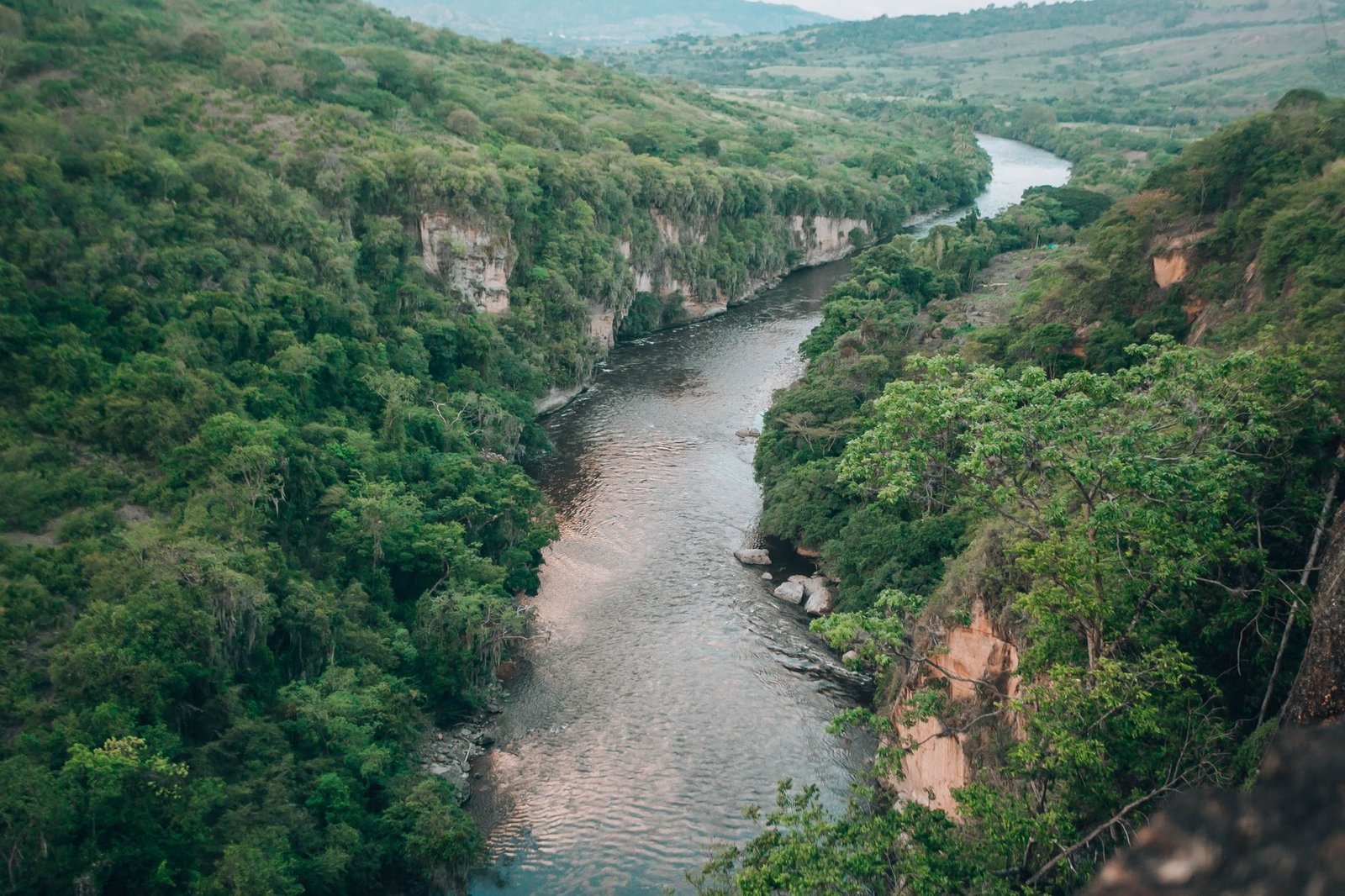
Kisumu Governor Anyang’ Nyong’o has called for an independent investigation into a fuel leak that reached the Nyando River near Kibigori and Muhoroni the previous day. It was the second such spill on the same pipeline corridor in roughly a month. Nyong’o demanded containment of the contamination, compensation for affected residents and environmental remediation of the river. Residents, he said, could not be expected to absorb repeated damage without answers.
The leak came from the Kenya Pipeline Company’s (KPC) Sinendet-Kisumu line, which carries refined fuel through Kisumu County. KPC said it suspects “intentional interference” with the pipeline. It also flagged that nearby Kenya Railways maintenance work may have contributed to the damage. Neither explanation has been confirmed by an independent inquiry, and the two possible causes point toward different parties bearing responsibility for repairs and compensation.
Nyong’o said the repeat incident raised questions about KPC’s maintenance and monitoring standards along the corridor. He asked Kenya’s Directorate of Criminal Investigations (DCI) and the Energy and Petroleum Regulatory Authority (EPRA) to establish exactly how the spill occurred before assigning responsibility to any single party.

A river already under pressure
The Nyando River flows into Lake Victoria through a basin that supports smallholder farming, fishing and domestic water use. Tens of thousands of households in Kisumu and Nyando sub-county depend on it. Environmental officers in the region have previously flagged the river for sediment pollution linked to upstream agriculture. A fuel spill adds a new contamination source to a waterway already strained by decades of land-use change along its banks.
Fuel contamination in freshwater systems can kill fish stocks. It can also render water unsafe for irrigation and livestock for weeks after a spill, depending on the volume released and how quickly it is contained. KPC has not published an estimate of how much fuel leaked this time. Nor has it confirmed what containment measures, if any, were deployed in the hours immediately after the leak reached the river.
Pattern of recurring leaks
Kenya Pipeline Company’s network has recorded several leak incidents on different sections of its fuel-distribution lines over the past two years. County governments have called for an independent technical audit of ageing pipeline infrastructure in response. Nyong’o’s call for a probe adds Kisumu to that list of counties seeking accountability from the state-owned pipeline operator.
KPC has not announced a timeline for repairing the Sinendet-Kisumu line, or for the DCI and EPRA investigations Nyong’o requested. The governor’s office said it would publish updates as remediation work progresses. Local fishing cooperatives have asked to be consulted directly on any compensation scheme that follows, rather than learning the terms after the fact.
County versus national oversight
Kisumu County has limited direct authority over KPC, a national parastatal, leaving Nyong’o’s office able to demand an investigation but not to compel one on its own. That jurisdictional gap has frustrated county officials in previous spill incidents elsewhere in Kenya, where national regulators have sometimes taken months to publish findings after a local leak.
Residents near Kibigori say they want compensation decided independently of KPC itself, rather than through a process the company controls. EPRA has not yet said whether it will appoint outside technical assessors to examine the pipeline section involved in this and the earlier leak.
Nyong’o said he would raise the matter with national government counterparts if county-level pressure failed to produce a published timeline within two weeks. Fishing families along the Nyando have already reported lower catches since the first spill, though no agency has yet surveyed the river systematically to confirm the scale of the damage.
The spill comes in the same week Kenya’s president ordered a tea value-addition plant and factory pay audit at a separate summit in Nairobi, part of what officials describe as a broader push for accountability at state-linked agricultural and infrastructure bodies this month.