
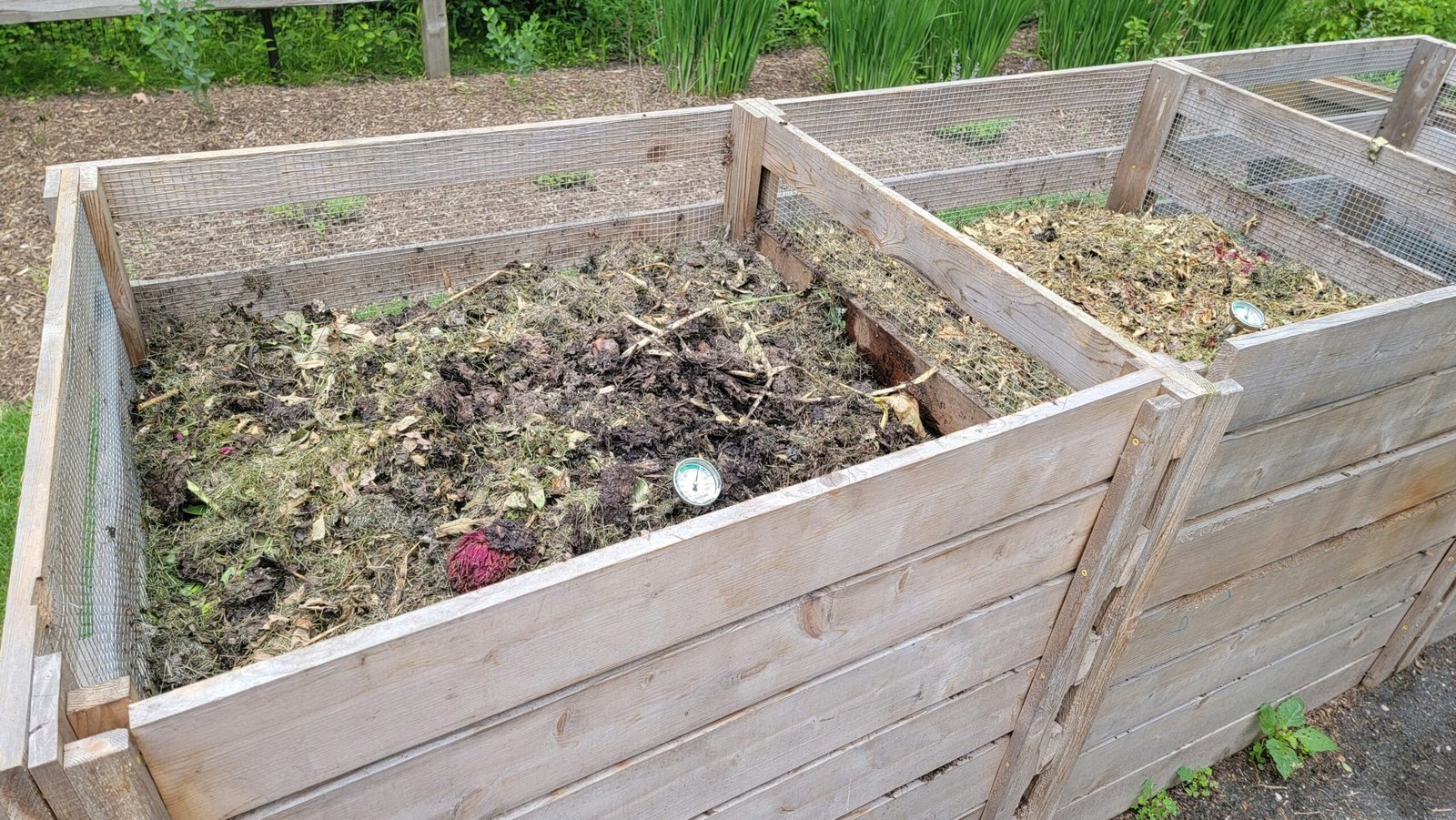
Kenyan farmers who switched to agroecological methods, composting, recycled organic waste and natural pest control instead of synthetic fertiliser and pesticides, raised their profits by an average of 37.8%, according to an ActionAid International report published this week. The findings, drawn chiefly from Murang’a county, show amaranth yields 45% higher and kale yields 34% higher than under conventional farming.
The report, Transforming Food Systems in Africa: The Case for Investing in Agroecology, draws on research and farmer experience across ten African countries, including Ethiopia, Ghana, Nigeria, Tanzania, Uganda, Zambia and Zimbabwe, alongside long-term trials run by the Research Institute of Organic Agriculture in Kenya, Bolivia and India.
Lower input costs, but a slow transition
“Farmers are improving yields and income while reducing dependence on costly imported inputs,” said ActionAid secretary-general Arthur Larok, framing agroecology as a way to build resilience against both climate shocks and volatile fertiliser prices. The report attributes the profit gains mainly to sharply reduced spending on synthetic inputs rather than higher output alone.
The transition is not instant. ActionAid’s report cautions that farmers typically need one to three years before agroecological yields match or exceed conventional ones, with outcomes depending heavily on soil condition, farmer training and the support available during that window. For smallholders operating on thin margins, that lag can be the difference between adopting the approach and sticking with what already works, however imperfectly.
A policy nudge, not a mandate
ActionAid is urging Kenya’s government to expand funding for farmer training, agroecological research and locally produced inputs, running alongside rather than instead of existing fertiliser subsidy programmes. The logic: every shilling spent helping farmers need less imported fertiliser is a shilling that does not leave the country, while synthetic-fertiliser subsidies remain fiscally expensive and exposed to global price swings.
Kenya’s own fertiliser subsidy programme has faced funding strain in recent years, making the case for complementary, lower-input approaches more urgent from a budget standpoint, even before any environmental argument is considered.
This single report does not settle the long-running debate over whether agroecology can scale to feed Africa’s growing population at the pace synthetic-input farming can, a question researchers across the continent continue to contest. But the Murang’a figures add a concrete, county-level data point to a debate that has often run on theory. Whether other counties see similar gains, and whether the government funds the three-year transition window farmers need, will determine if this becomes policy or stays a pilot.



