
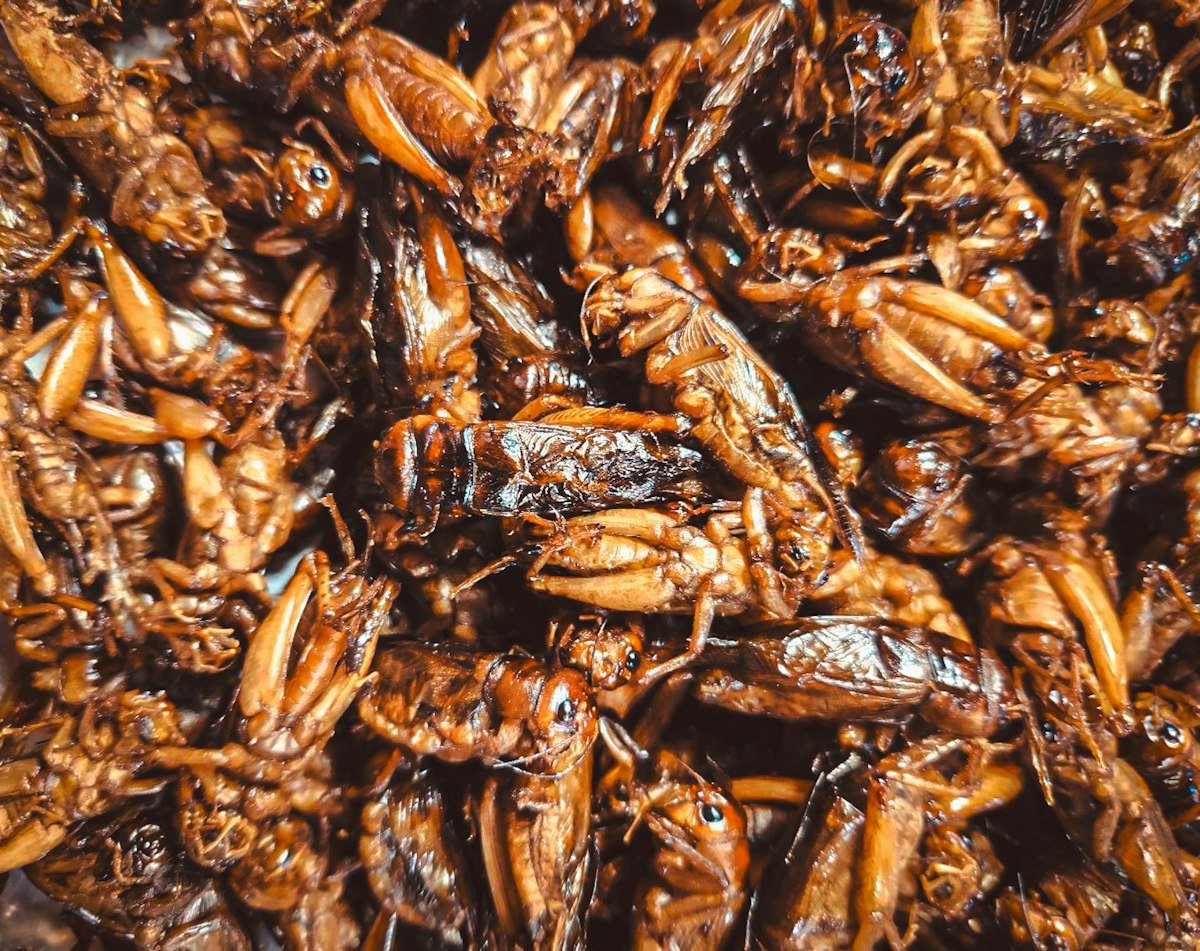
Zambia edible insects have been harvested seasonally for generations, and scientists now say they could play a far larger role in closing the country’s food security and nutrition gaps. That depends on whether investment in farming and storage methods can keep pace with growing research interest.
Caterpillars, termites and grasshoppers have been eaten across much of southern and central Africa for generations. They are prized both as a delicacy and as a dense source of protein, fat and micronutrients. In Zambia, the mopane caterpillar and flying termites known locally as inswa remain seasonal staples in many households. That is especially true in rural areas, where livestock protein can be costly or scarce.
A seasonal resource, not yet a year-round one
The central constraint, researchers say, is seasonality. Most edible insect species in Zambia are available for only a few weeks each year. Their appearance is tied to specific rainfall and breeding patterns, which limits their contribution to diets outside those windows. Efforts to farm insects year-round, including small-scale cricket and mealworm rearing projects, have shown promise in pilot programmes. None has yet reached widespread commercial scale.

Nutrition researchers argue that edible insects offer a comparatively low-resource route to protein. They require far less land, water and feed than conventional livestock to produce an equivalent amount of nutrition. That efficiency has drawn interest from food security planners looking to diversify protein sources. Child stunting and micronutrient deficiencies remain persistent public health concerns in Zambia.
Stigma and supply chains remain barriers
Despite the nutritional case, researchers note that urban consumers increasingly view insects as a rural or old-fashioned food rather than a modern protein source. That perception gap mirrors patterns seen elsewhere in Africa as diets shift toward processed and imported foods. Market infrastructure for processing, storing and distributing insect products beyond informal local trade also remains limited.
Some researchers have proposed processing insects into flours or protein powders. These could be worked into more familiar foods, reducing the visibility of the insect itself while keeping its nutritional benefits intact. Pilot projects along these lines have been tested in neighbouring countries, though Zambia-specific commercial ventures remain at an early stage.
Proponents say the potential prize is significant: a locally available, climate-resilient protein source that does not compete for the same land and water as cattle or maize, at a time when both face growing climate pressure across the region. Whether that potential becomes measurable progress will depend on two things. Seasonal harvesting needs viable year-round farming to supplement it, and urban markets need persuading to see insects as food rather than a curiosity.
Agricultural extension workers say early pilot farms in Zambia’s Copperbelt and Southern Province have tested simple, low-cost rearing structures that smallholder households can build from local materials, reducing the capital barrier that has slowed commercial insect farming elsewhere. Several of these pilots report yields sufficient to supplement household diets even before any surplus reaches market, suggesting a role for Zambia edible insects first as a subsistence buffer and only later as a cash crop.
Regional nutrition bodies have also begun comparing Zambia’s experience with similar edible insect programmes in Kenya, Uganda and Ghana, looking for lessons on processing standards and food safety regulation that could help Zambia’s own pilots scale more quickly without running into the same regulatory delays those countries faced.
Zambian retailers in a handful of urban supermarkets have started quietly stocking small packets of dried caterpillars and roasted termites alongside conventional snack foods, a modest but closely watched test of whether city shoppers will buy insects when they are packaged and marketed like any other product. Early sales figures remain limited, retailers say, but the experiment is being treated as an early signal of whether stigma can be overcome through presentation rather than persuasion alone.



