
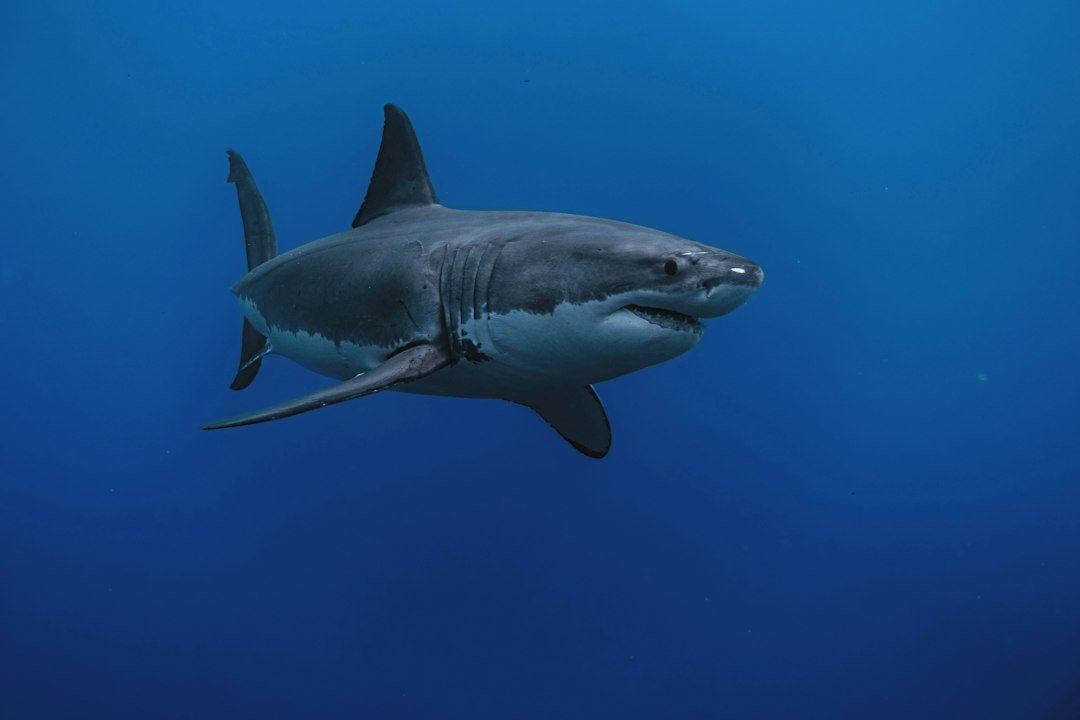
A trade under review
The Animals Committee of CITES, the international treaty governing trade in endangered species, is considering whether to place Costa Rica’s silky shark exports under a formal “review of significant trade,” a process that can lead to anything from corrective management measures to calls for other countries to suspend imports from the country concerned. The review was prompted by a report from CREMA, a Costa Rican marine conservation group backed by German government funding, which found that Costa Rica accounts for about 82 percent of the world’s silky shark product exports.
According to the CREMA report, Costa Rica shipped more than 2,000 tonnes of shark meat and nearly 1,000 tonnes of fins over a five-year period. In the single year from June 2023 to May 2024 alone, exports totalled about 734 tonnes of meat, worth roughly $1.87m, and about 45 tonnes of fins, worth close to $5m. The report challenges the scientific basis of the Non-Detriment Findings that Incopesca, Costa Rica’s fisheries institute, uses to justify continued exports, the assessment every CITES member state must produce to show that removing a listed species from the wild will not harm the population.
A domestic legal fight running in parallel
The CITES review is unfolding alongside a long-running domestic legal battle. Costa Rica’s Supreme Court ruled in June 2023 that Incopesca’s 2017 reclassification of threatened shark species as commercial fishing interests had no valid legal basis, a decision that environmental groups saw as grounds to halt exports. A precautionary measure briefly suspended exports in September 2025 before being revoked the following month by the Contentious Administrative Tribunal, leaving the underlying legal question unresolved even as the CITES review proceeds separately.

Daniel Arauz, CREMA’s director, argues that removing apex predators such as sharks disrupts the broader marine food chain in much the way removing jaguars or pumas would disrupt Costa Rica’s forests. Walter Brenes, an environmental attorney who has brought several of the court cases seeking to halt shark exports, has more recently sought a separate court order targeting thresher shark exports, citing that species’ recent listing under the Convention on Migratory Species.
Scale of the catch
Costa Rica’s silky shark catch dwarfs its hammerhead catch, even though hammerheads have drawn more international attention. Between 2015 and 2019, the country landed an average of roughly 180,000 silky sharks a year, compared with about 7,000 hammerheads, with the longline fishing fleet responsible for roughly 85 percent of at-risk shark catches during that period. Silky sharks have been listed under CITES Appendix II, which requires an export permit certifying the catch is legal and sustainable, since 2017.
What a significant-trade finding would mean
If the CITES Animals Committee formally designates Costa Rica’s silky shark trade for review, the country would face a structured process to demonstrate its exports are sustainable or face recommendations that other CITES parties restrict imports from it, a reputational and economic risk for a fishing sector that has built a sizeable export trade on a species conservationists argue is already being fished unsustainably. For now, the review sits alongside, rather than resolves, the domestic legal dispute over whether Costa Rica’s export regime was ever lawfully established in the first place.
Related: A new report on Africa’s 30×30 conservation funding highlights a similar gap between the scale of marine and biodiversity protection commitments and the resources, legal or financial, actually available to enforce them.



