
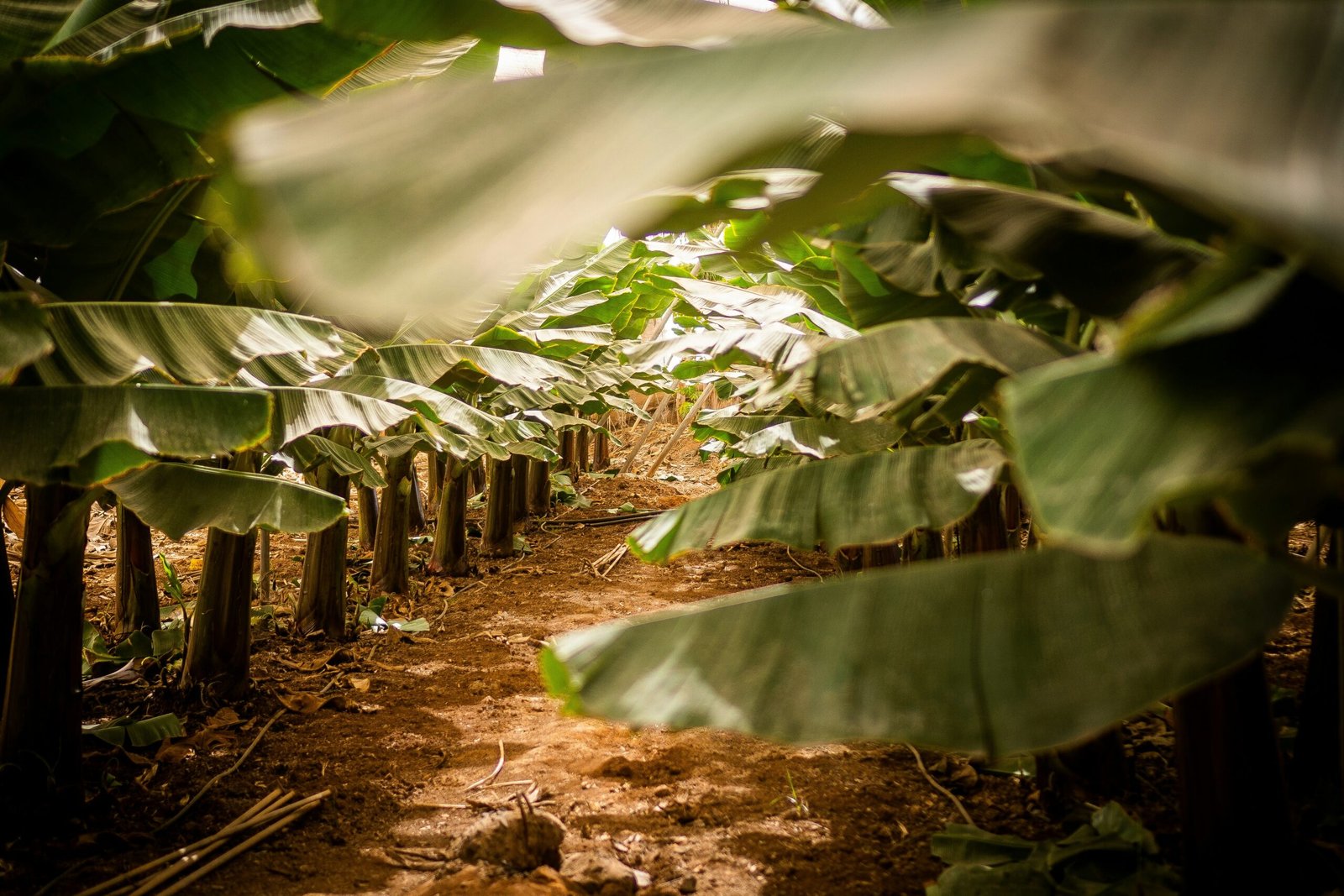
President Yoweri Museveni has urged farmers in Sheema, in Uganda’s south-west, to shift from rain-fed cultivation towards irrigation, citing prolonged dry spells that have damaged banana plantations across the Ankole and Kigezi sub-regions. The Nile Post reports that Museveni raised underground water extraction as a practical option for the area’s farmers, arguing that reliance on increasingly unpredictable rainfall has become a direct threat to a crop that underpins food security and incomes across the region.
Bananas, grown as a staple food crop as well as a cash crop in much of south-western Uganda, are particularly sensitive to extended dry periods, which can reduce bunch size and delay maturity even where plants survive. Farmers in Ankole and Kigezi have reported shorter, less predictable rainy seasons in recent years, a pattern that regional meteorologists link in part to broader climate variability affecting East Africa’s rainfall patterns, including this year’s El Niño-linked fluctuations.
Museveni’s remarks frame irrigation investment as a matter of self-reliance for farming households rather than a project that should wait for government infrastructure, pointing to underground water as an option farmers themselves could develop with appropriate drilling and pumping support. The suggestion reflects a broader shift in how Ugandan officials are talking about climate adaptation: less as a future risk to plan for, and more as a present condition farmers need to manage now.

Underground water as a stopgap, not a substitute
Hydrologists caution that groundwater extraction, while a faster fix than large-scale surface irrigation schemes, needs to be managed carefully to avoid depleting local aquifers, particularly in areas where multiple farms might draw from the same underground source simultaneously. Agricultural extension officers in the region say they are fielding growing numbers of enquiries from banana farmers about borehole costs and small-scale pump irrigation, suggesting the president’s appeal is landing amid genuine, farmer-level anxiety about this year’s rainfall rather than being purely rhetorical.
The country’s latest national food-security analysis found Karamoja, in Uganda’s north-east, facing even sharper water stress, underlining that the shift away from rain dependence is not confined to one sub-region.
A test of follow-through
Ugandan officials have periodically urged greater irrigation investment during past dry spells, and agricultural researchers say the test of this latest appeal will be whether it is followed by concrete support, subsidised drilling, extension training or credit for irrigation equipment, rather than remaining a message delivered at a single event. For now, farmers in Sheema say they are watching the coming planting season closely to judge whether this year’s dry spells were an anomaly or the start of a longer pattern.
A message aimed at households, not ministries
What distinguishes Museveni’s appeal from past government irrigation pledges, extension officers say, is its framing: rather than announcing a state-funded scheme, he is asking individual households to treat irrigation as an investment decision within their own reach, akin to buying improved seed or fertiliser. That framing shifts the burden of action onto farmers already stretched by the dry spell’s effects on this season’s harvest, which some local leaders say makes government co-financing or low-interest credit for borehole drilling an obvious next step if the appeal is to translate into actual boreholes rather than good intentions, particularly for smaller banana growers who cannot easily absorb drilling costs out of a single season’s already-reduced income.



