
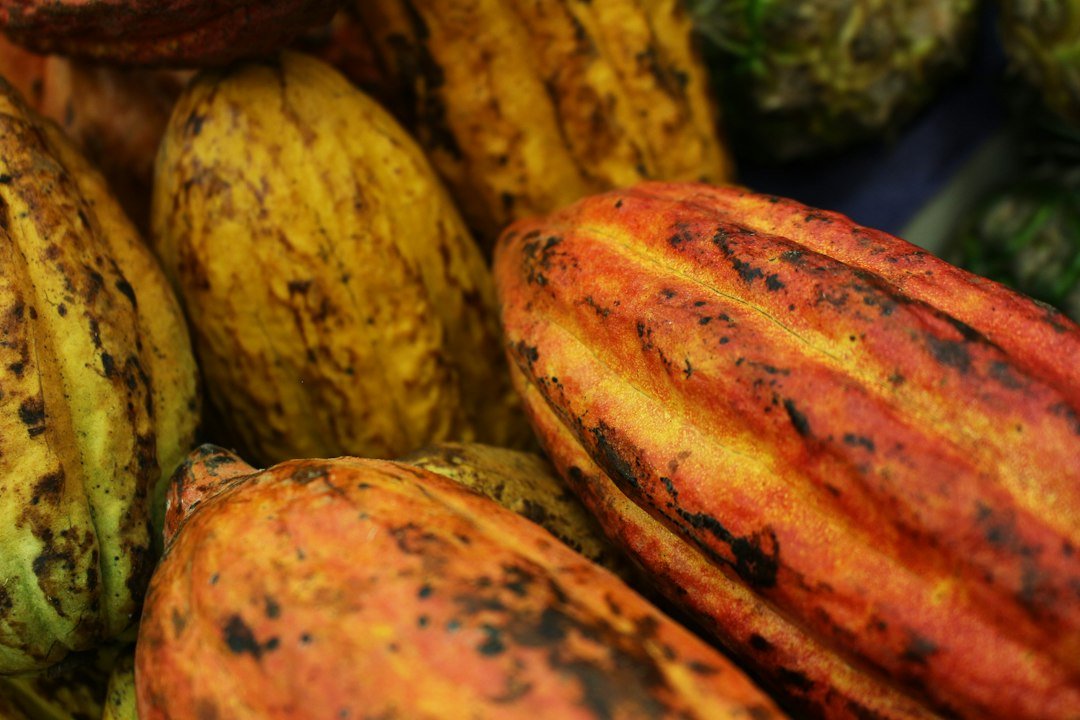
A steep forecast
Ghana’s cocoa regulator, COCOBOD, is forecasting that national cocoa production will fall by at least 16 percent in the 2026/27 season, one of the sharpest projected declines in recent years for the world’s second-largest cocoa producer. The forecast, reported in late July, points to a combination of erratic weather, including heavy rains and the lingering threat of El Niño conditions, and the continued spread of swollen shoot disease, which has damaged farms particularly hard in the Western and Western North regions. Those two regions alone account for more than half of Ghana’s total cocoa production.
Disease, weather and encroachment compounding each other
Swollen shoot virus has been a persistent problem for Ghana’s cocoa sector for years, spreading from tree to tree and forcing the removal and replacement of infected plants, a process that takes years before replanted trees reach full productivity. This season’s forecast suggests that disease pressure is intersecting with weather volatility and the cocoa tree’s natural low-yield cycle, a periodic dip in productivity that affects even healthy trees, to produce a steeper drop than any single factor would cause alone.
A further complication is illegal gold mining, known locally as galamsey, which COCOBOD and other officials say is worsening the production crisis as miners encroach on and take over cocoa farms, permanently removing land from cultivation rather than simply reducing yields on existing farms. COCOBOD says it is responding by expanding disease-control programmes, restoring infected farms and reinstating free fertiliser distribution to farmers, though the regulator has not put a figure on how much output these measures might recover in the coming season.

Ghana is not alone
The forecast lands alongside a similar warning from neighbouring Ivory Coast, the world’s largest cocoa producer, which is also projecting a significant output decline for the same season. Because the two countries together supply the large majority of the world’s cocoa, simultaneous output drops in both have implications well beyond West Africa, feeding directly into global cocoa prices and, eventually, the cost of chocolate for consumers far from either country.
What it means for farmers
For Ghana’s cocoa farmers, many of them smallholders who depend on the crop as their primary cash income, a 16 percent production fall translates directly into lower household earnings, even if global prices rise in response to tighter supply, since farmers are typically paid a fixed producer price set by COCOBOD rather than benefiting directly from international price swings. The regulator’s fertiliser and disease-control response is aimed partly at protecting that income by stabilising yields on existing farms, but galamsey-related land loss is, by its nature, harder to reverse than a weather-driven yield dip.
A season to watch
Whether COCOBOD’s forecast proves conservative or optimistic will become clearer as the main harvest season progresses. What is already clear is that Ghana’s cocoa sector is facing simultaneous pressure from climate volatility, plant disease and land loss to mining, three problems that have each individually challenged the sector before but rarely all at once, in the same season, alongside a comparable shortfall in the world’s other leading producer.
Related: Colombia’s coffee growers are contending with a comparable export-income shock this season, and Madagascar’s vanilla farmers face a parallel squeeze from the opposite direction, a price collapse rather than a weather-driven output drop.



