
A sharp fall in export value
Madagascar’s vanilla sector, which supplies nearly 80 percent of the world’s vanilla, is working through a sharp price collapse that has cut export earnings nearly in half. A Central Bank of Madagascar report covering 2025 shows export value falling from $213m to $112.8m, driven primarily by falling prices rather than falling volumes. The country’s vanilla exports had in fact reached a record 4,300 tonnes in 2024, underlining that this is a price crisis, not a production shortfall.
International retail prices remain high by historic standards, reaching up to 2,000 euros per kilogram on the world market, according to figures cited by French outlet TF1info. But that price barely touches Madagascar’s own growers: vanilla leaves the country at about 60 euros per kilogram, roughly 3 percent of the price it eventually commands abroad.
Why farm-gate prices collapsed
The immediate causes are overproduction, falling benchmark prices and a lack of transparency in how prices are set along the supply chain, compounded by speculative trading. Vanilla’s long shelf life, unlike more perishable crops such as coffee or cocoa, allows buyers and intermediaries to hold stock and wait out price swings, a dynamic that tends to work against farmers who cannot afford to do the same.

The effect at the farm level has been severe. At one recent low point, green vanilla sold for about 2,500 Malagasy ariary per kilogram, roughly the price of green beans, a level growers say made the crop barely worth harvesting. Industry observers say that price collapse has already pushed some farmers to abandon vanilla cultivation altogether, a shift that could constrain supply in future seasons even as current prices remain depressed.
Government response and market expectations
Madagascar’s government, operating under what local reporting describes as a “refondation” reform agenda, has begun working with vanilla-sector stakeholders to restructure the value chain, though specific measures and a timeline have not yet been detailed publicly. Growers and exporters will be watching closely for whether that process produces a renewed price floor, a mechanism Madagascar has used before to try to stabilise farm-gate incomes ahead of a harvest season.
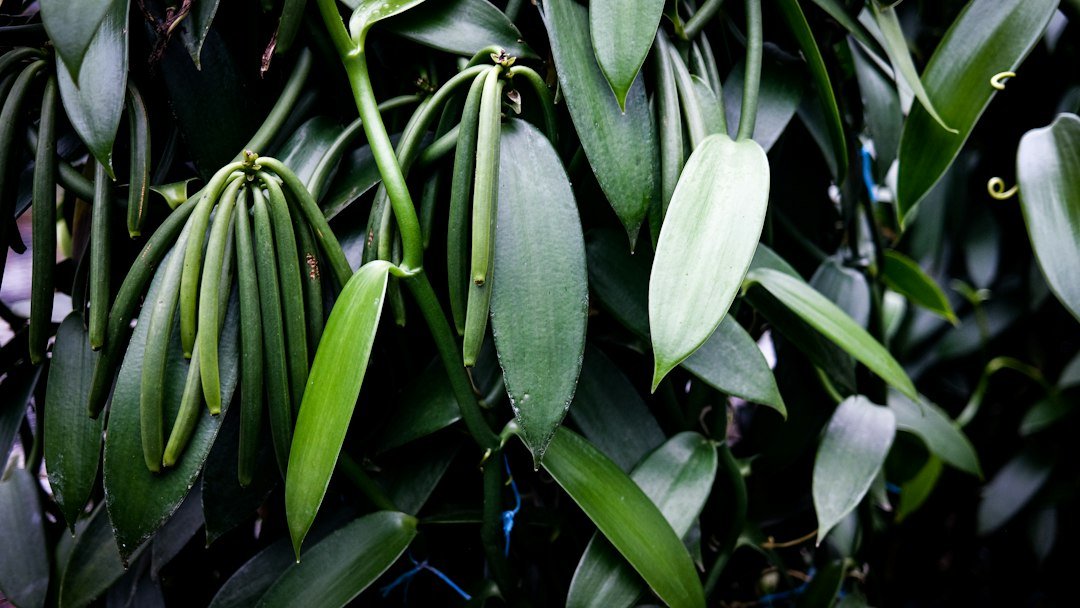
The stakes are significant for rural livelihoods: more than 200,000 families depend on vanilla cultivation, and the crop is overwhelmingly grown on a small, artisanal scale. Each vanilla vine takes around nine months from flowering to harvest of green pods, a long labour commitment that growers say is not reflected in the prices they are currently paid.
A crop caught between global demand and local returns
The gap between a 2,000-euro retail price and a 60-euro export price captures a structural problem that recurs across many of the Global South’s high-value export crops: demand and brand value accumulate overseas, while price risk and the long growing cycle sit with farmers closest to the soil. Madagascar’s vanilla sector has weathered price volatility before, most notably a boom-and-bust cycle in the late 2010s, but the scale of this year’s earnings decline suggests the current downturn may last longer than a single season. Exporters and growers alike are now watching whether the government’s reform process produces concrete measures before the next harvest cycle begins, or whether the sector enters a second consecutive season without a price floor to anchor expectations.
Related: Ghana’s cocoa sector and Colombia’s coffee growers are navigating comparable export-income shocks this season, though driven more by weather and disease than by price collapse.



