
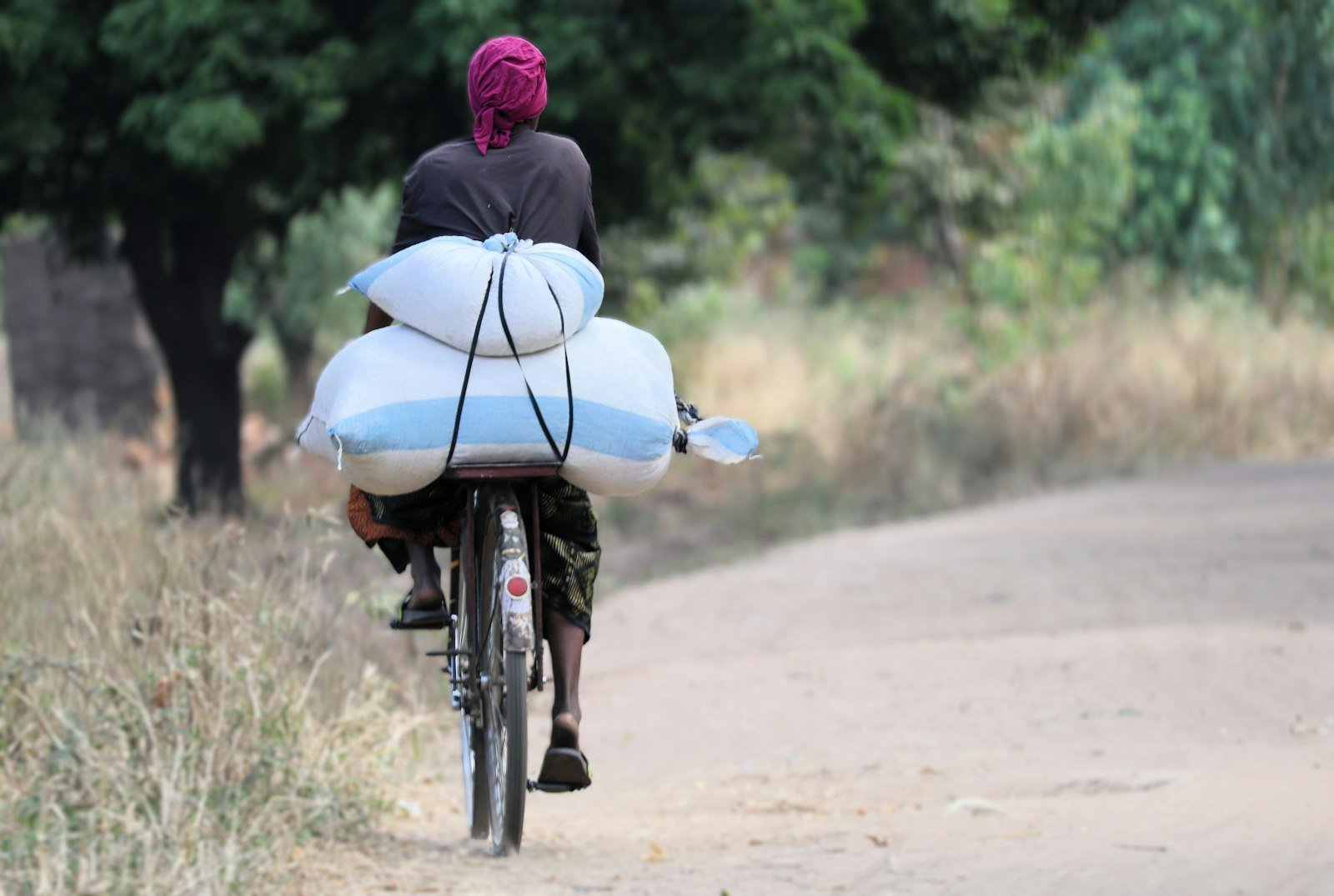
Burkina Faso has suspended all exports of millet, maize and sorghum flour, along with their derived products, across the entire country. The suspension took effect immediately and covers the whole country until further notice. The Ministry of Industry, Commerce and Crafts signed the order, dated 9 October, under minister Serge Gnaniodem Poda.
The move halts a trade that used to run under a permit system called Special Export Authorisations. The ministry says it will no longer issue those permits for these three products.
Officials framed the suspension as protection, not reaction to a shortage already under way. The goal, they said, is to keep these staple flours available and affordable at home. Millet, maize and sorghum anchor the Burkinabè diet. Mills grind them into flour for porridge and the stiff dough-based dishes eaten across the Sahel. In a country where households spend a large share of their income on food, price swings in any of the three hit hard and fast.

Customs officers and security forces at border posts must now enforce the ban. The ministry has opened a hotline so the public can report illegal export attempts. Traders caught breaking the suspension face sanctions under Burkina Faso’s existing commercial rules, though the ministry’s announcement sets no fines and no clear timetable for review.
A measure with no fixed end date
The suspension carries no stated expiry date. No production or price threshold will automatically trigger its lifting. The ministry says only that it will end the ban once it judges domestic supply stable again, a standard with no clear signal attached. Burkina Faso has swung between bans and openings on cereal flour before. It lifted a four-year restriction once, then reinstated controls as conditions changed again. That back-and-forth reflects how closely the government watches its staple grain stocks, in a country that has faced both security-driven displacement and uneven harvests.
Burkina Faso’s grain economy already strains under the Sahel’s security crisis. Violence has displaced farming communities and disrupted planting and harvest cycles across the country’s north and east. Export bans on staple grains are a common tool across West Africa when governments want to shield domestic consumers from regional price swings. They carry a cost too: they can cut the income of farmers and traders who used to sell into neighbouring markets. Mali, Niger and Ghana have traditionally bought millet, maize and sorghum flour from Burkina Faso.
A regional pattern of flour controls
This suspension adds Burkina Faso to a growing list of Sahelian and West African governments tightening grain exports this year. El Nino-linked swings in rainfall have raised concern about harvests across the region. Regional bodies, including the Economic Community of West African States, have long pushed member states to coordinate rather than restrict staple food exports unilaterally. Sudden bans like this one disrupt the cross-border trade networks that many farming households rely on for income.
Burkina Faso’s ministry gave no sign that regional consultation came before this decision. Neighbouring countries must now adjust their own import planning around a ban that could lift just as abruptly as it began.



