
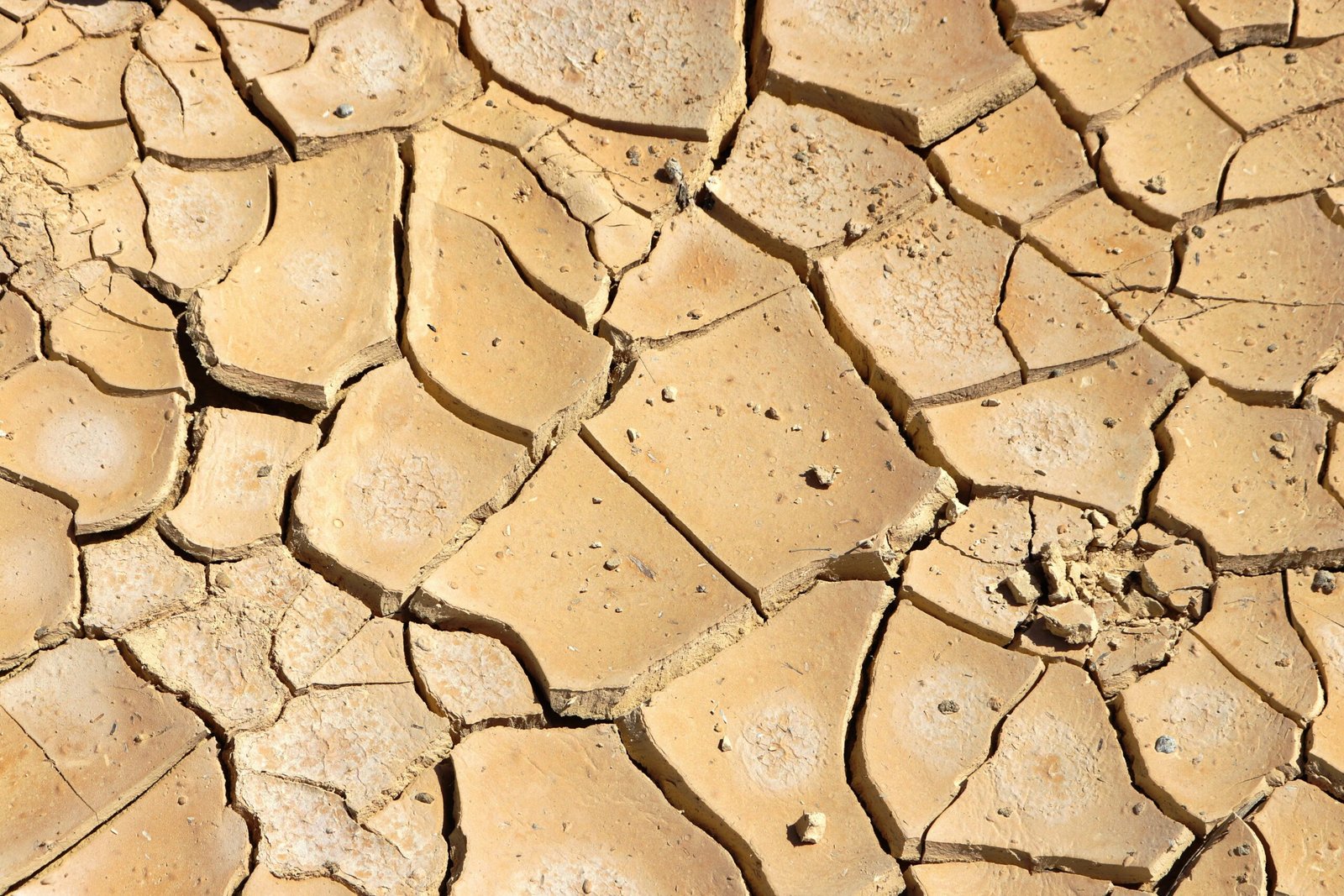
Gujarat and Rajasthan have declared drought across 18 districts combined, after this year’s monsoon left large parts of western India short of rain. The two state governments announced separate relief measures through October, pointing to a shared problem: a season that closed with one of India’s worst rainfall deficits in a decade.
Gujarat’s government, led by Chief Minister Bhupendra Patel, has named four districts drought-affected: Devbhoomi Dwarka, Kutch, Jamnagar and Porbandar. Officials have announced crop-loss relief for farmers in these areas, acknowledging that this year’s rains fell well short of what the region needed to sustain its kharif crop.
Rajasthan has gone further in administrative terms, declaring roughly 80 tehsils across 14 districts as drought-affected. The state’s monsoon ended with a rainfall deficit severe enough to trigger the declaration, a step that unlocks input subsidies, crop insurance claim processing and relaxed loan recovery for the farmers it covers.

A shared monsoon shortfall
The two declarations are not coincidental. India’s 2026 monsoon closed with its worst national deficit in a decade, and the two states sit in the drier western stretch of the country, where even a modest shortfall concentrates quickly into drought conditions. Gujarat and Rajasthan share long borders and overlapping rainfall patterns, so a weak monsoon over the Arabian Sea coast tends to show up in both states’ crop data within weeks of each other.
For farming households in the newly declared districts, a drought order changes the practical calculus of the season. It gives revenue officials a formal basis to process relief claims without waiting for a full damage survey of every field, and it lets lenders defer recovery on existing agricultural loans rather than pressing for repayment from farmers who have little to repay with. Insurance processing, too, moves faster once an official drought tag is in place, since insurers no longer need to establish the cause of loss district by district.
What happens next
Both state governments are expected to follow the declarations with on-the-ground damage assessments, which will determine the scale of compensation farmers eventually receive. Neither government has published a relief budget figure specific to this round of declarations, and the two processes are running on separate timelines shaped by each state’s own revenue administration.
The broader concern for both states is water. A rainfall deficit that triggers a drought declaration in October tends to carry into the irrigation season that follows, since reservoirs and groundwater tables that did not recharge during the monsoon offer little buffer for the rabi crop. Farmers in Devbhoomi Dwarka, Kutch, Jamnagar, Porbandar and the affected tehsils of Rajasthan will be watching not just this season’s relief measures, but whether winter rainfall does anything to ease the shortfall before sowing begins again.



