
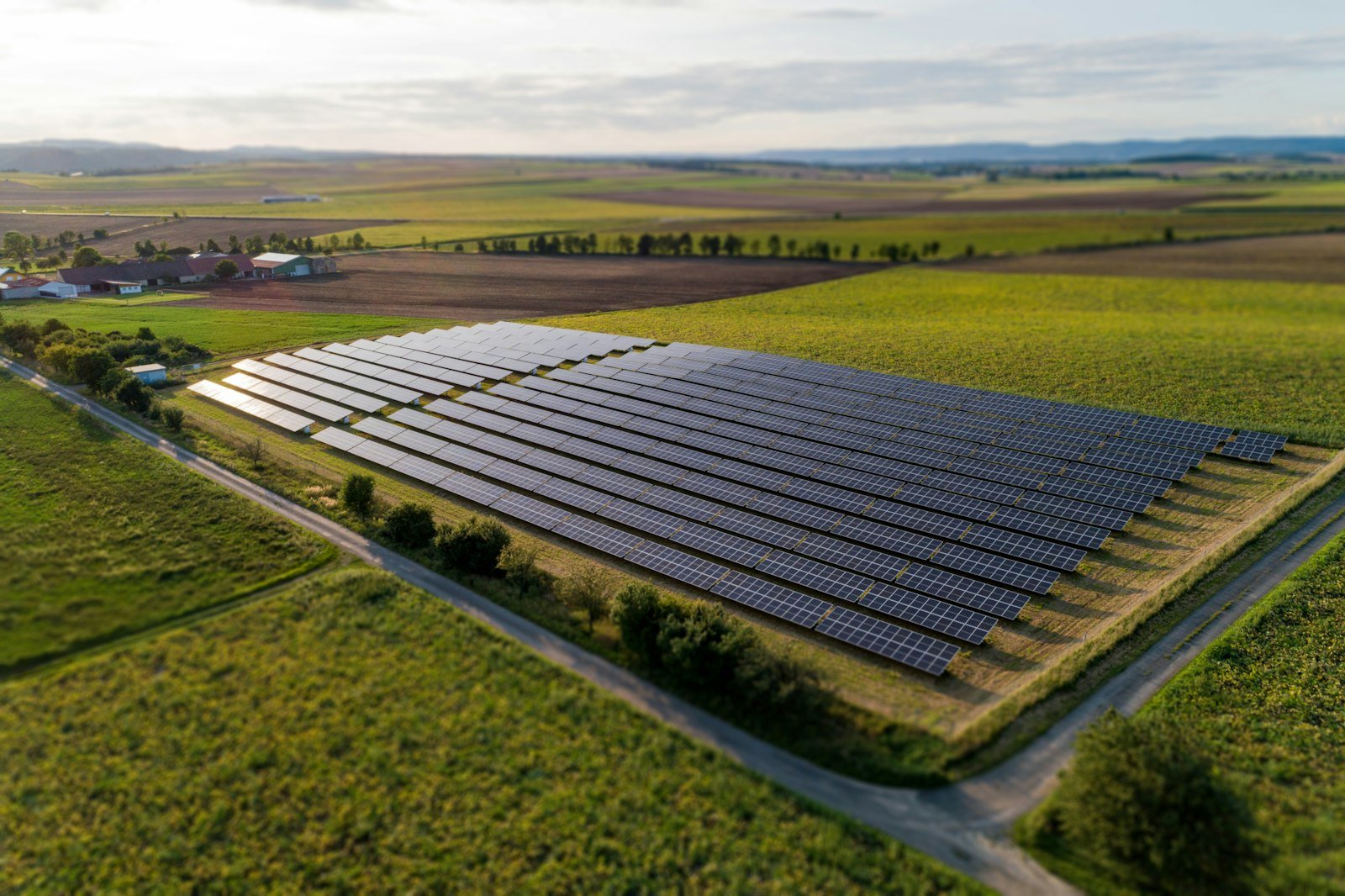
NoorNation has raised $1.05 million in seed funding. The Egyptian firm will use the cash to grow a pay-per-use plan. Under that plan, farmers run solar-powered pumps without buying the gear upfront. The round came from Egyptian farm group Linah Farms, Catalyst Fund and Saudi Arabia’s KBW Ventures. KBW had also backed the firm back in 2024.
Ragy Ramadan and Mohamed Khaled set up NoorNation in 2021. The firm builds solar power and water systems for farms and off-grid homes in Egypt and parts of Sub-Saharan Africa. Its main product, LifeBox, combines solar power, water pumping and desalination in one unit. It aims at farmers who cannot afford diesel fuel, or the full cost of a solar system bought outright.
The firm has already put in about 66 projects across 13 Egyptian provinces. Those systems carry roughly 7 megawatts of power. Together they serve more than 5,200 feddans of farmland, a traditional Egyptian land measure just over one acre in size. The new funds will scale up that pay-per-use plan. Farmers pay by the hour for pumping, rather than paying for a system upfront. Some deals let the farmer own the gear after five to seven years of payments.

Cutting diesel out of the irrigation bill
Diesel-powered pumps remain the default for many small farmers across Egypt and the wider region. Running costs rise and fall with fuel prices that farmers cannot control. NoorNation’s plan aims to remove those swings. A farmer pays a fixed hourly rate for solar pumping instead. There is no fuel to buy and no generator to fix. That should mean a lower, steadier total cost over a growing season.
Egypt relies heavily on Nile water and groundwater for irrigation. Both the government and private investors have backed solar pumping. The aim is to cut the country’s fuel import bill, while reaching farmers where grid power runs unreliably. The International Finance Corporation and national banks have separately funded bigger solar-irrigation schemes for commercial farms. NoorNation’s pay-per-use plan instead targets smaller farms that cannot reach that kind of funding.
The firm’s work has also spread beyond Egypt’s borders into parts of Sub-Saharan Africa. It has not shared country-level figures for that growth. Climate-focused investors have increasingly backed solar irrigation and water ventures across the region. Their bet is simple: falling panel costs and rising diesel prices now make the sums work, even for farmers with small plots.
A narrow but growing market
A seed round of just over a million dollars is modest by the standards of farm technology investment. NoorNation’s backers are a mix of a regional farm group, an impact-focused fund and a Gulf investment firm. None is a major international climate fund. That mix shows a market still being tested. Pay-per-use irrigation depends on farmers trusting a new billing model. It also depends on the firm keeping its pumps running well. The hourly rate must stay cheaper than running a diesel generator, or farmers have no reason to switch.
For now, NoorNation’s growth has stayed slow and steady. It is expanding province by province rather than through one big rollout. The firm has not said how many new projects the funding will support, or over what span of time. Its base of 66 installations gives it a track record to build on. It is trying to convince more Egyptian farmers that renting sunlight costs less than buying fuel. A similar bet on solar-powered pumping is playing out in the Philippines, where the government has just opened its biggest solar irrigation project yet.



