
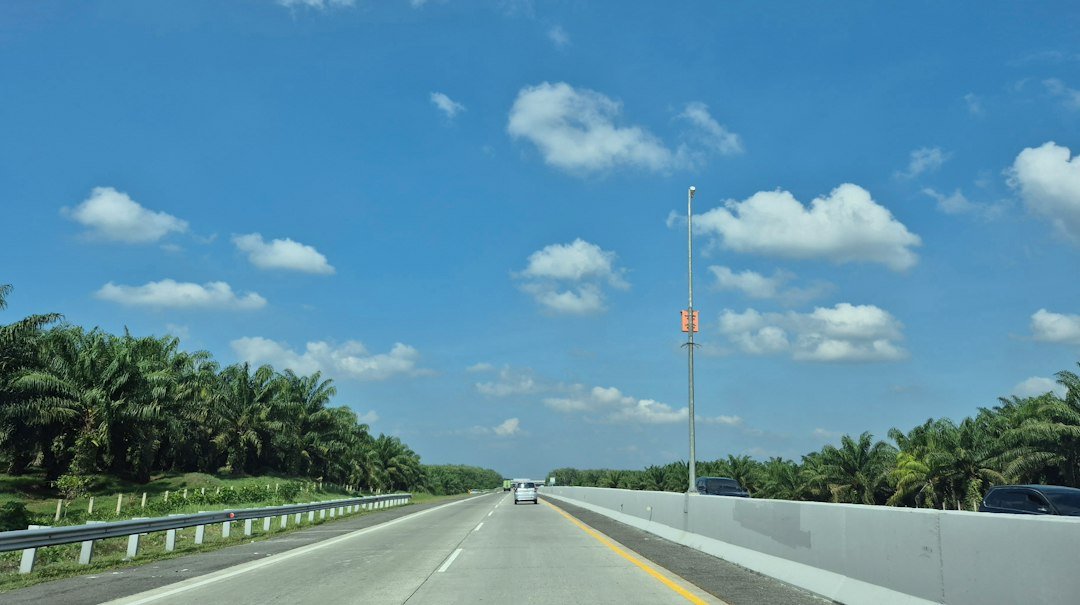
A prolonged El Niño drought has lowered water levels on West Kalimantan’s Kapuas River, stranding barges and tugboats on sandbanks and cutting off the main transport route that around 40 percent of the Indonesian province’s palm oil output relies on, according to the Indonesian Palm Oil Association, known as GAPKI. The 1,143-kilometre river is the primary way smallholders and mills in the province move fresh fruit bunches from remote plantations to processing facilities, and its reduced flow has left fruit stranded for days at a time.
West Kalimantan produces about 11 percent of Indonesia’s total palm oil, and GAPKI’s provincial office says 13 of the province’s 50 mills have been affected, representing roughly half of its processing capacity. Aris Supratman, head of GAPKI’s West Kalimantan office, said supply from the province was expected to fall about 11 percent in September from August, and analysts now estimate fourth-quarter output across Indonesian Borneo could fall 12 to 15 percent as the dry spell persists.
Farmers turned away, prices slashed
At the Multi Prima Entakai mill in Sanggau, fruit bunch purchases fell from 30,000 tonnes in July to 10,000 tonnes in September, according to manager Dian Kurniawan, with crude palm oil storage sitting at 8,200 tonnes against an 8,500-tonne capacity as of 1 October. Smallholder Supendi, 33, said his mill turned him away after a four-day wait with seven tonnes of fruit bunches that were “not accepted”. Fellow smallholder Rahmat Wiyono, 63, said he was offered 2,650 rupiah, or roughly $0.15, per kilogram of fruit bunches at an alternative buyer, down from the 3,400 rupiah his regular mill normally pays.

Barges can move about 2,000 tonnes of fruit over four days on the Kapuas when water levels are normal; with the river low, trucks have managed only around 100 tonnes a day at roughly three times the cost per tonne, squeezing margins for farmers and millers alike. Indra Rustandi, head of the West Kalimantan branch of the smallholder group APKASINDO, said some farmers have cut fertiliser use by up to 70 percent to conserve cash while income from fruit sales has collapsed, a move agronomists warn will reduce yields in subsequent harvests even after the drought ends.
A longer dry season than farmers are used to
Indonesia’s weather agency expects this year’s rainy season to begin in November rather than October, extending a dry spell that has already run about two months, compared with roughly a month for earlier strong El Niño droughts in 2015 and 2018. GAPKI has cut its 2026 national production forecast by 2.9 percent, citing the drought alongside persistently high fertiliser costs that were already squeezing smallholder margins before the river began receding.
Smallholders farm roughly 40 percent of Indonesia’s total palm oil planted area nationally, typically on plots under 25 hectares with far less capacity than large plantation companies to absorb a bad season, since many rely on near-continuous harvest income to cover household expenses and loan repayments on land or equipment.
The disruption adds Indonesia to a growing list of countries where this year’s El Niño is cutting farm incomes, a pattern also playing out among dry corridor farming families in Central America, even though the crops, climates and markets involved could hardly be more different.
Indonesia’s government has previously used replanting subsidies and extension support to help smallholders improve yields during normal seasons, but drought-specific relief measures for palm growers have been less developed than the support mechanisms in place for rice farmers, reflecting palm oil’s position as an export commodity rather than a staple food crop central to national food security planning. Industry analysts expect Indonesia’s total palm oil output for the season to come in below earlier forecasts if dry conditions persist through the remainder of the harvest period, though a definitive production estimate will depend on how quickly the delayed rainy season actually arrives.



