
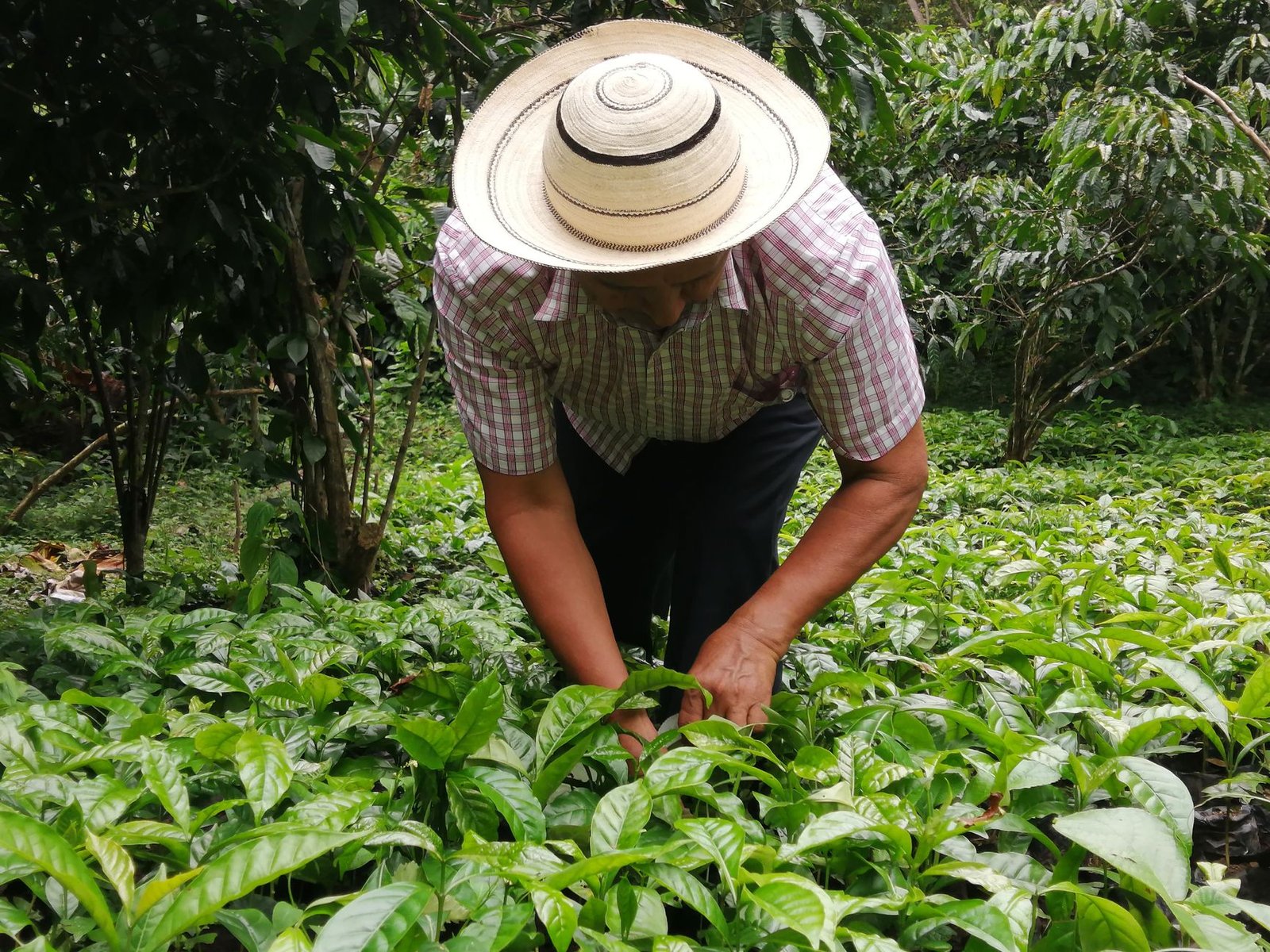
An intensifying El Nino-linked drought could leave as many as 16 million people across Central America without adequate food, according to reports.
Crop failures linked to the drought are compounding pressures on a region already weakened by earlier climate shocks, with subsistence farmers and rural communities facing the sharpest impacts. Central America’s Dry Corridor, spanning parts of Guatemala, Honduras, El Salvador and Nicaragua, has been repeatedly hit by drought in recent years, eroding households’ ability to recover between shocks.
The claim is consistent with an assessment by the European Commission’s Joint Research Centre (JRC), which said El Nino had already driven crop failure in Central America and East Africa, and warned that the coming growing season is at risk in Southern Africa, East Africa, western South America and Southeast Asia. The JRC’s monitoring, which draws on satellite and weather data, is intended to give early warning of agricultural production shocks before they fully materialise on the ground.

Both reports frame the current El Nino episode as a multi-region climate event rather than an isolated national crisis, with knock-on effects for staple crop harvests including maize and beans, which underpin diets across much of Central America. Aid agencies including the World Food Programme have separately said they are scaling up preparedness for El Nino-related hunger risk, though the scale of funding required has not been made public.
The overlap between Central America’s drought and East Africa’s is not a coincidence: both regions sit within the belt of countries whose rainy seasons are most sensitive to El Nino’s warming of the equatorial Pacific. Communities across the Greater Horn of Africa are contending with a similar dynamic of compounding shocks, where drought, flooding and conflict are eroding what capacity remains to absorb the next crisis.
For smallholder farming households in Central America, repeated drought years leave little time to rebuild savings, seed stocks or soil health before the next shock arrives, a pattern that climate scientists say is likely to recur as El Nino and La Nina cycles interact with longer-term warming trends. Neither account specified a precise timeline for when the 16 million figure might be reached, underscoring that the estimate is a projection rather than a confirmed current caseload.

The JRC’s warning is notable for how far it extends beyond Central America. By naming Southern Africa, East Africa, western South America and Southeast Asia as regions where the next growing season is also at risk, the assessment frames this El Nino episode as touching four continents rather than a single country or crop. That kind of early-warning modelling is designed to give governments and aid agencies a window, typically months rather than weeks, to pre-position food stocks, adjust planting advice or scale up cash-transfer programmes before a shortfall becomes a visible crisis.
Whether that lead time gets used effectively often depends on financing arriving before, rather than after, a drought is declared. Humanitarian agencies have long argued that anticipatory funding, released against a forecast rather than a confirmed emergency, is markedly cheaper per person helped than a response mounted once malnutrition rates have already climbed. How much of that approach is being applied to the current Central American drought was not detailed in either report. What both accounts agree on is the underlying arithmetic: a region with limited fiscal space and a large share of its population dependent on rain-fed subsistence farming has little buffer left when a growing season fails, regardless of which agency ultimately tallies the caseload.