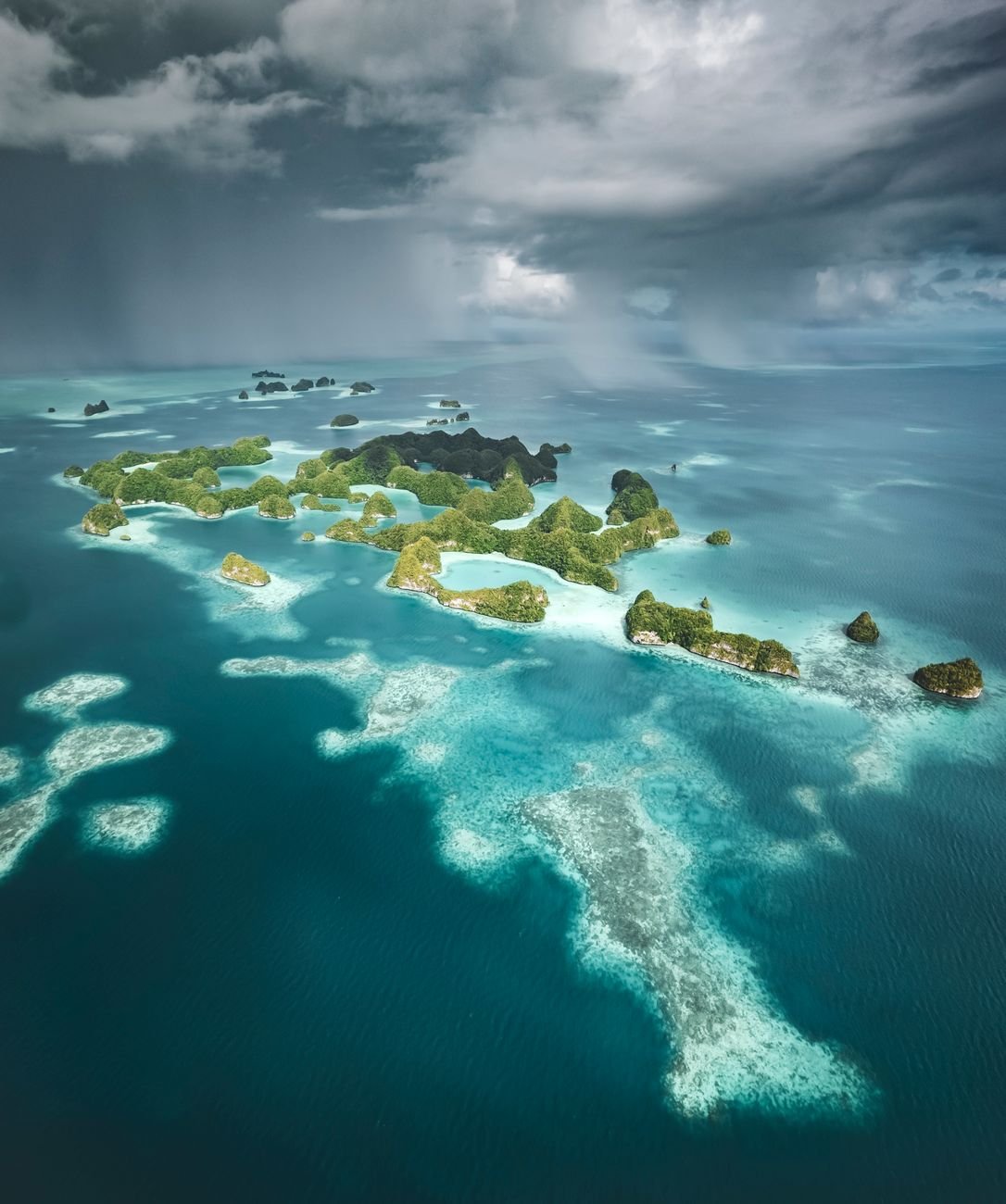
Scientists warn Pacific islands face food shortages as global warming intensifies, threatening fisheries, freshwater supplies and household diets across the region. The warning came from officials at the Pacific Community, the region’s main scientific body, speaking at a summit in Palau in early September. They said current emissions trends put the world on track for warming of 1.8 degrees Celsius above pre-industrial levels, well above the 1.5-degree limit set under the Paris Agreement. Officials at the summit tied that trajectory directly to continued global reliance on fossil fuels, arguing that island nations bear the cost of decisions made almost entirely elsewhere.
Fisheries face some of the most immediate losses. Pacific Community deputy director-general Andrew Jones said warming ocean waters are pushing tuna stocks eastward, away from the exclusive economic zones where island nations earn licensing revenue. Officials estimate the shift could cost the region $90 million a year in lost licence fees, roughly 13 per cent of some governments’ revenue, while coastal catches available to local fishers could fall by 65 per cent. Jones described the effect on household diets in stark terms, saying the loss amounts to about two meals per family per week that is not on the plate.
Rising seas are compounding the problem by pushing saltwater into groundwater supplies used for drinking and irrigation, while flooding events grow more frequent along low-lying coastlines. Climate officials from Tuvalu, the Marshall Islands and Vanuatu joined the Palau summit to press for faster international action, arguing that fossil fuel emissions elsewhere are driving losses their populations had no part in causing.

Existing shocks compound the risk
The finding that Pacific islands face food shortages is landing on top of shocks already straining regional food systems. In Fiji, Cyclone Urmil damaged crops and closed roughly 100 roads earlier this year, cutting off communities from food supplies and markets for days at a time. Many Pacific nations also depend heavily on imported fuel to move food and other goods between islands, a vulnerability exposed this year by a global fuel crunch tied to the conflict between the United States, Israel and Iran. Similar dependence runs across much of the region, including Samoa, Tonga, the Solomon Islands, the Cook Islands and Papua New Guinea, where inter-island shipping and food distribution rely on the same imported fuel.
The strain is visible beyond the islands themselves. In Aotearoa New Zealand, close to two-thirds of Pasifika people reported experiencing food insecurity in 2025, compared with roughly a third of the wider population, and three-quarters of those affected said it was the first time they had gone without adequate food, suggesting the pressure is relatively new rather than a longstanding pattern.
Pacific leaders are using the run-up to COP31 to push these findings onto the international agenda. A pre-COP31 gathering is planned for Fiji later this year, alongside a leaders’ visit to Tuvalu and a separate climate event in Palau. Organisers say the sessions will focus on keeping the 1.5-degree target alive, securing climate finance and strengthening resilience for small island developing states, alongside the relationship between ocean health and climate change. A regional guidance framework on planned relocation has also been launched, acknowledging that some communities may eventually need to move as coastal land and freshwater sources become less viable.
Officials involved in both the scientific warning and the diplomatic push describe the same underlying message: island nations that contributed least to global emissions are already living with the consequences. Fisheries revenue, freshwater access and household food supply are converging into a single crisis rather than three separate problems, and Pacific governments are betting that framing will carry more weight at COP31 than it has at previous climate summits.