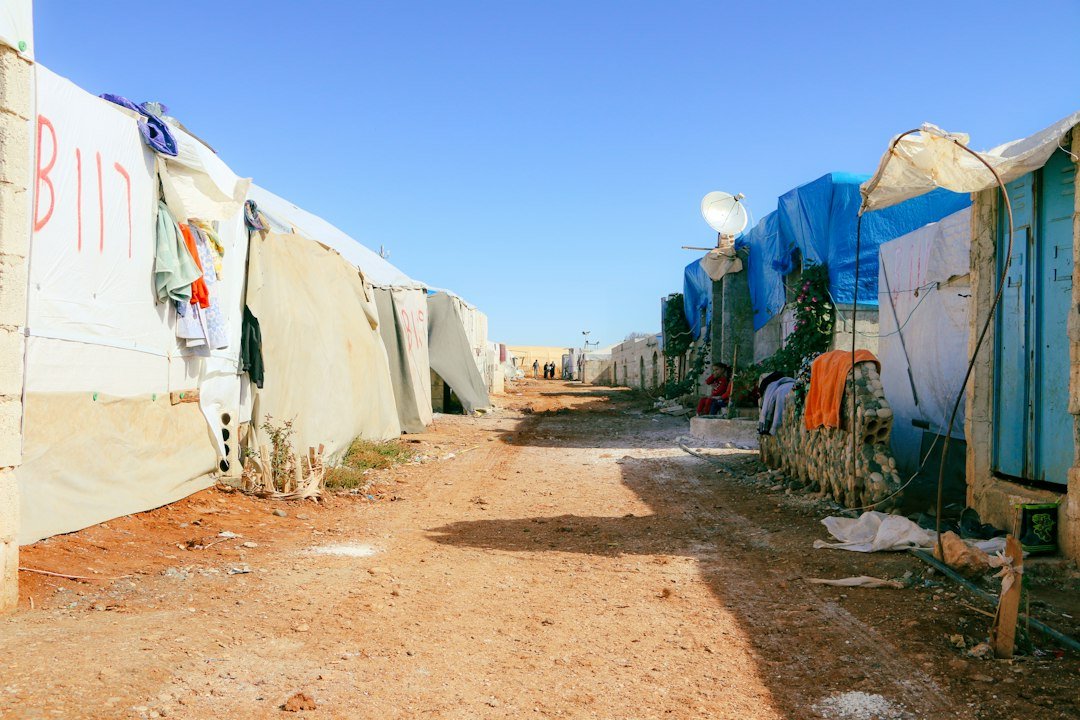
Escalating conflict in Yemen has displaced thousands of people in recent weeks, deepening a food security crisis the World Food Programme (WFP) says is now among the most urgent it is tracking globally. WFP has scaled up its emergency response as newly displaced families, many fleeing with only what they could carry, arrive in already strained host communities with little immediate access to food or income.
Displaced families interviewed by Al Jazeera described going from three meals a day to one, or skipping food entirely on some days, as savings run out and casual labour opportunities dry up in overcrowded displacement sites. The UN refugee agency, UNHCR, said the renewed fighting has triggered mass displacement on top of a humanitarian emergency that has already run for more than a decade, leaving little institutional or financial slack to absorb a fresh wave of need.
WFP has warned of a critical funding shortfall threatening its ability to sustain food assistance in Yemen, even as needs rise. The agency’s officials have said hunger fears are escalating in tandem with the security situation, with some areas becoming harder to reach safely as frontlines shift, complicating both assessment of needs and the physical delivery of food aid.

A crisis compounding an existing emergency
Yemen’s food security situation was already fragile before this latest escalation, following years of conflict that have repeatedly disrupted agriculture, imports and the currency’s value against the dollar. Protracted economic conflict has sustained what famine early-warning analysts describe as widespread crisis-level food insecurity even during relatively calmer periods, meaning renewed fighting lands on a population with little buffer left to absorb additional shocks.
The government of Yemen has appealed for international support to help the thousands displaced by the renewed war, a request that lands at a moment when humanitarian budgets across multiple crises, from Sudan to Gaza, are competing for the same pool of donor funding. Aid officials have warned that funding cuts affecting Yemen earlier this year had already left millions without full support before the latest displacement wave began.
The country’s long-standing split between government-held and Houthi-controlled territory further complicates the response, since aid agencies must separately negotiate access, registration and distribution arrangements across the de facto administrative divide, a structural obstacle that predates the current escalation but tends to slow emergency response whenever fighting flares.
Why the Gulf region is watching closely
Yemen’s crisis carries particular weight across the Gulf, both because of the country’s proximity and because large Yemeni diaspora communities across the Gulf states maintain close family ties to those now displaced. Remittances from Gulf-based relatives have long served as an informal safety net for many Yemeni households, though aid officials note that remittances alone cannot substitute for humanitarian food assistance when displacement cuts off both income and access to markets simultaneously.
The pattern echoes other protracted Global South food crises this year: in Kenya’s Turkana county, drought rather than conflict has driven comparable levels of acute hunger, underscoring how climate shocks and armed conflict can produce strikingly similar humanitarian outcomes through very different pathways.
WFP has not said how much additional funding it needs specifically for the latest displacement wave, though the agency’s broader appeals for Yemen this year have run into the hundreds of millions of dollars. Whether that funding materialises will determine how quickly displaced families can access reliable food assistance, and how many more will be forced to skip meals in the meantime.